First Ever “Output Day” Event!

The other day we successfully completed our first attempt to hold an Output Day.

Output Day, as the name suggests, is a day to output what students have been inputting. We have been preparing our presentations and bulletin boards for that day.

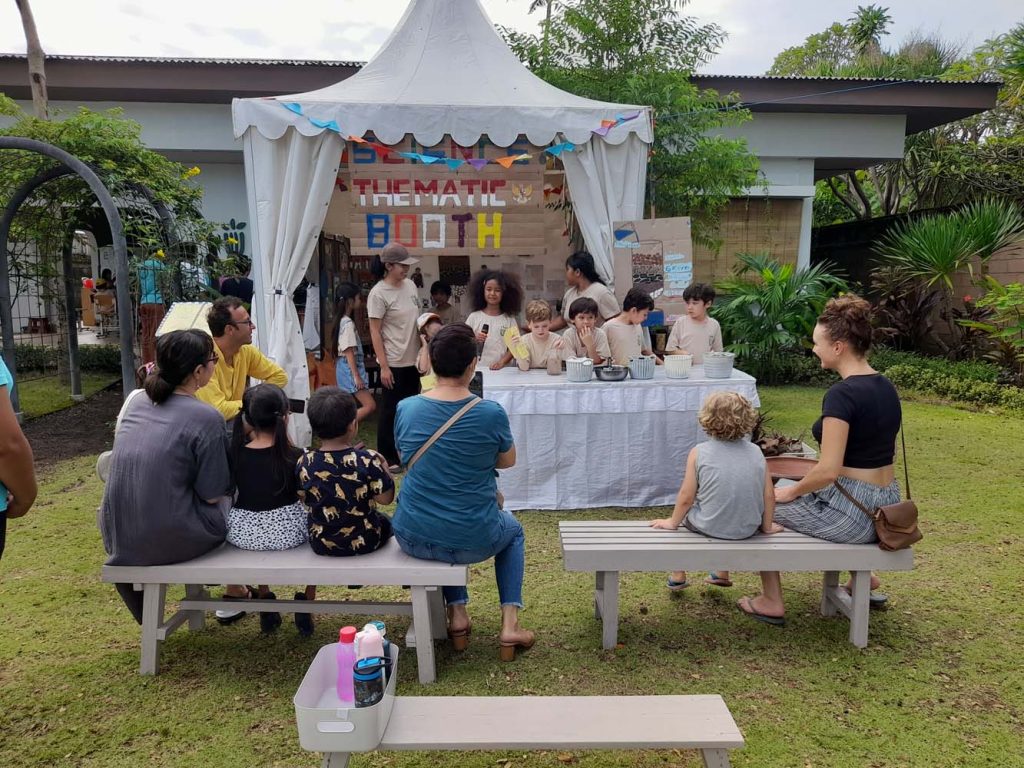
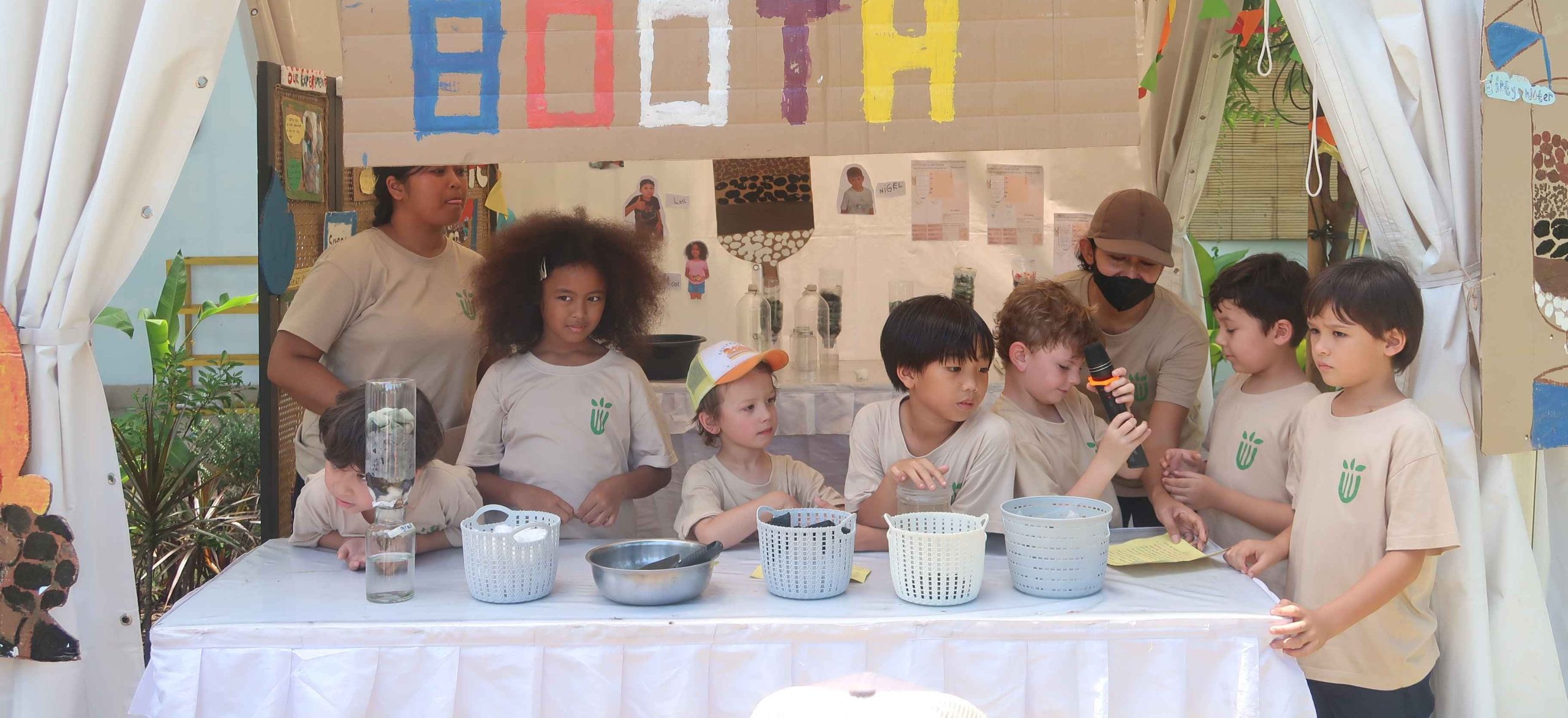
The primary class students with their teacher prepare 3 booths. They are assigned to each booth with their teacher. There was a booth for science and thematic, English with art, and mathematics.

The children in each booth are tasked with presenting their projects and things they have learned so far at Taruwara. The teachers are just as nervous as their students, some of them feeling very tense before the event starts. However, they manage to overcome their tension and nervousness to welcome all the parents and kindergarten children. Some of the students who were not very good at public speaking gained her confidence by seeing her teachers, mothers, and younger students who were trying their best. Her teammates were also motivated by her efforts. 

After the three-hour event, the children and teachers were exhausted, but despite the short preparation period and the fact that it was their first experience, they were able to pull it off, which was a very valuable experience for all of us.

During the reflection time, we were able to hear comments such as, “We can do this better next time! I want to do something like this!” and other positive things. We wondered if this was also the result of the daily circle time and reflection session.

On that day, the kindergarten children also had an opportunity to do activities together with their parents, and everyone seemed very happy to see the children’s responses and reactions, which they do not get to see every day.

We were also very anxious about the parents’ opinions after coming to observe the elementary school presentation, but we were very grateful for their warm and supportive attitude toward the children throughout the event, even if some of them could not speak well.

Good job kids!! We are so proud of you all.

Documentation:
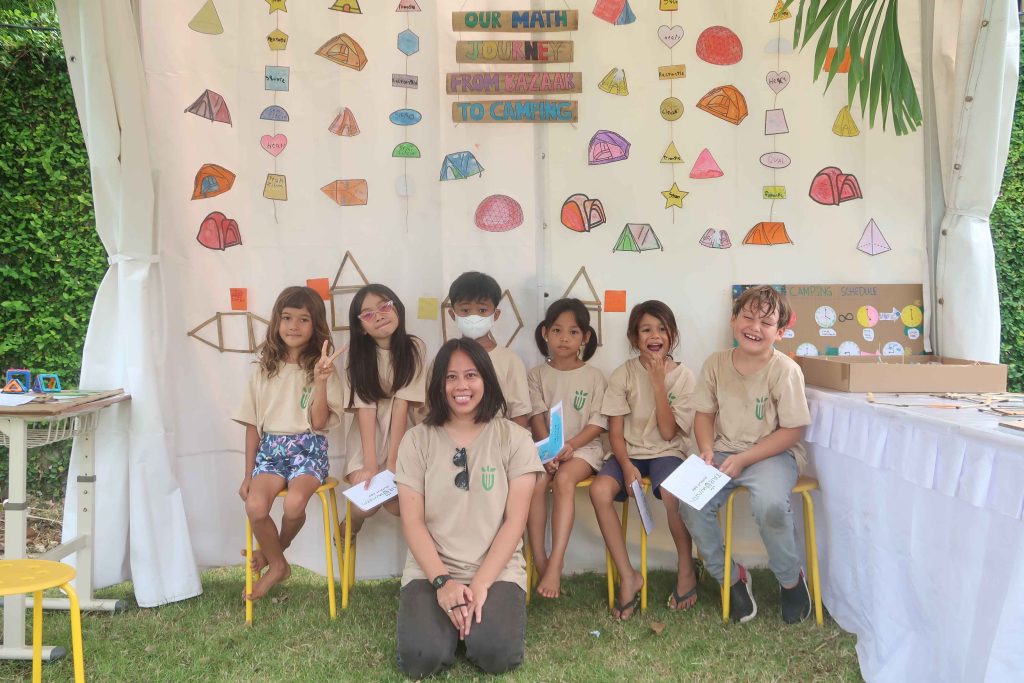
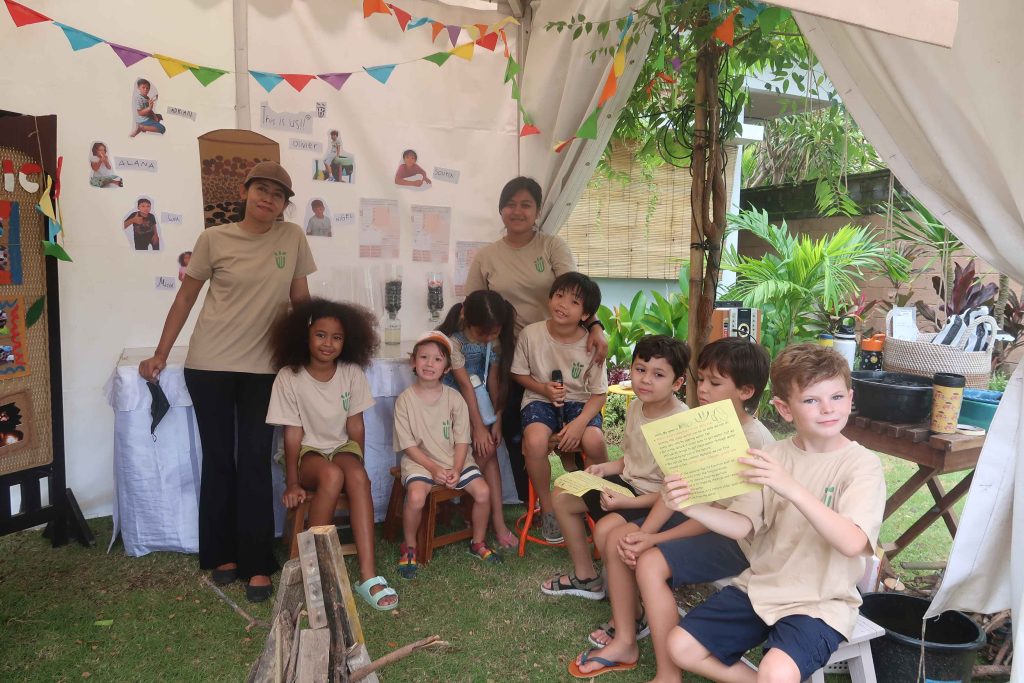
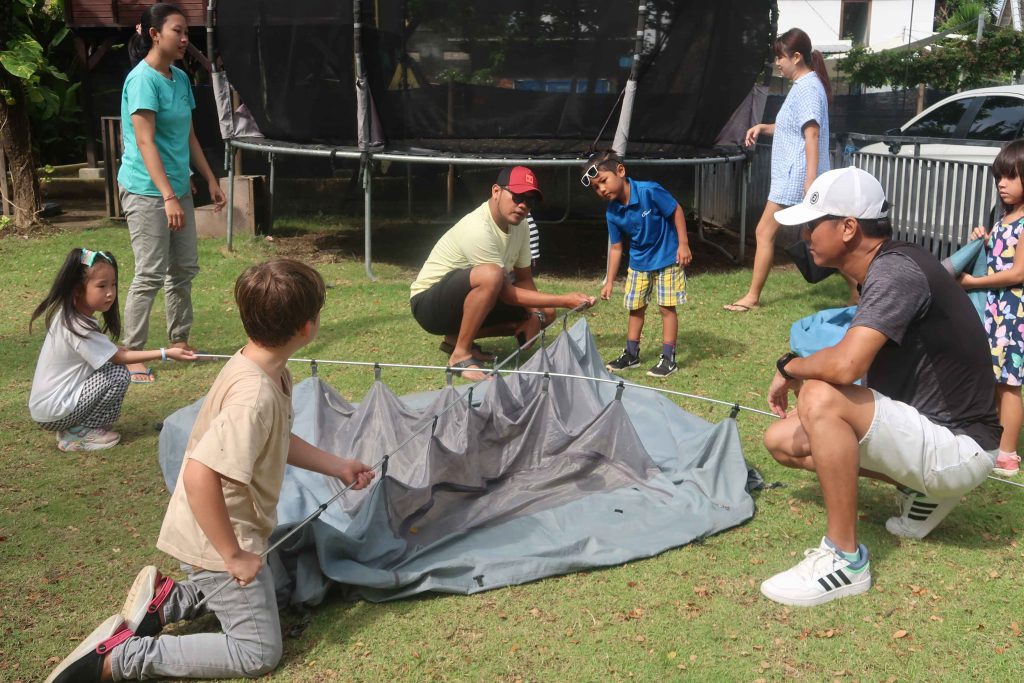
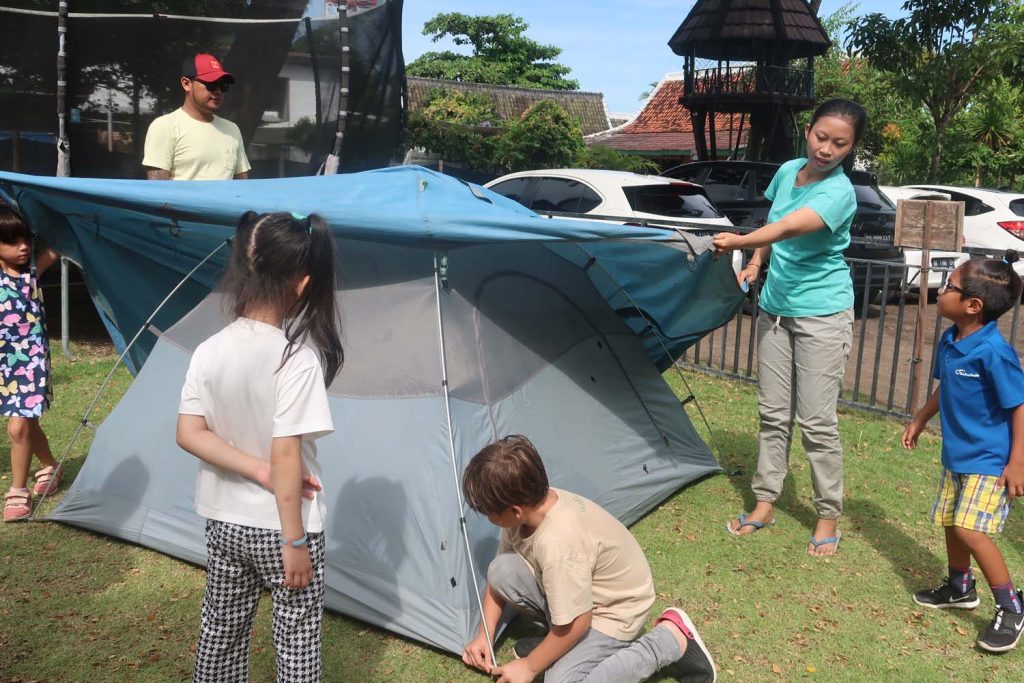
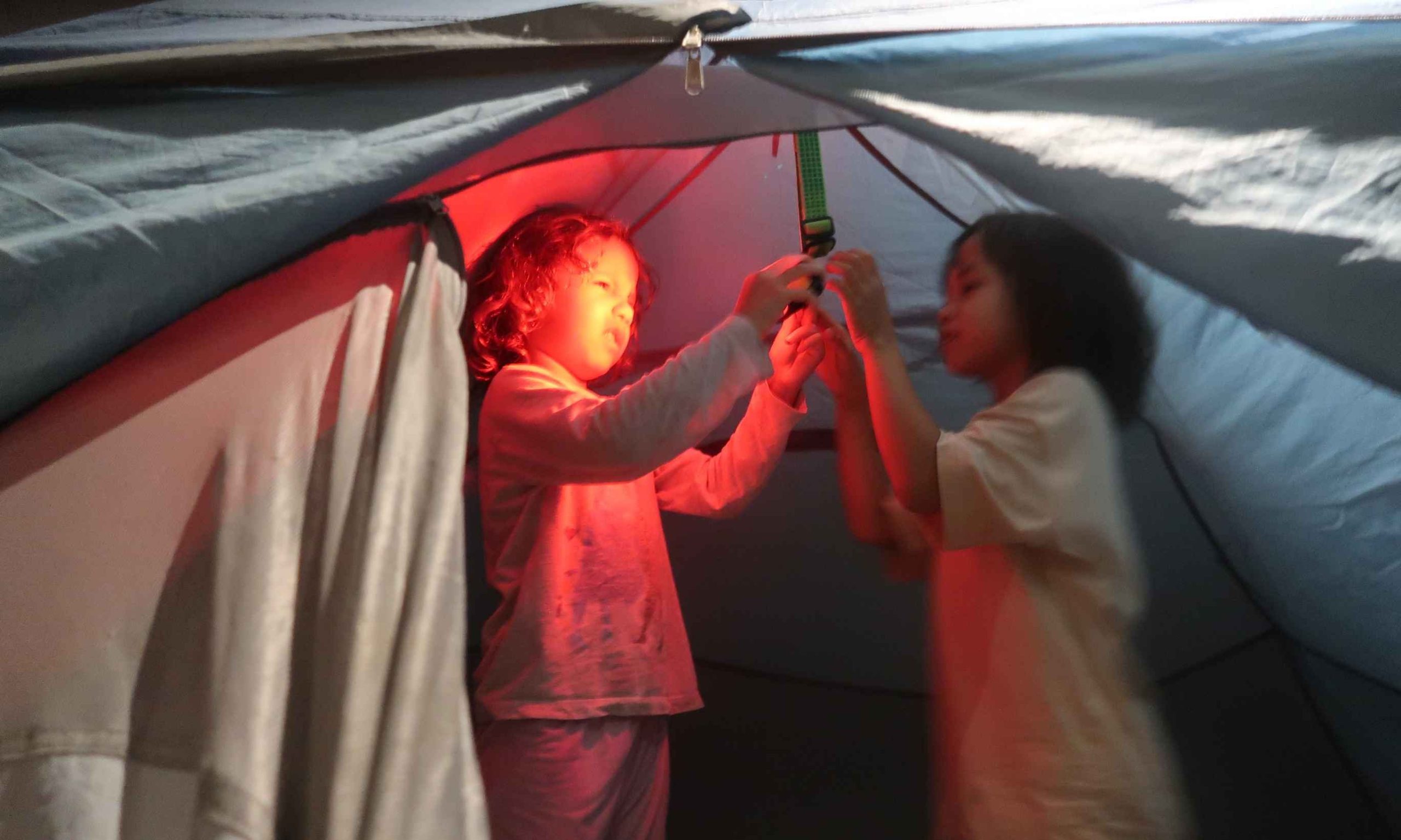
Our math class team ready for presentation about how to build a tent
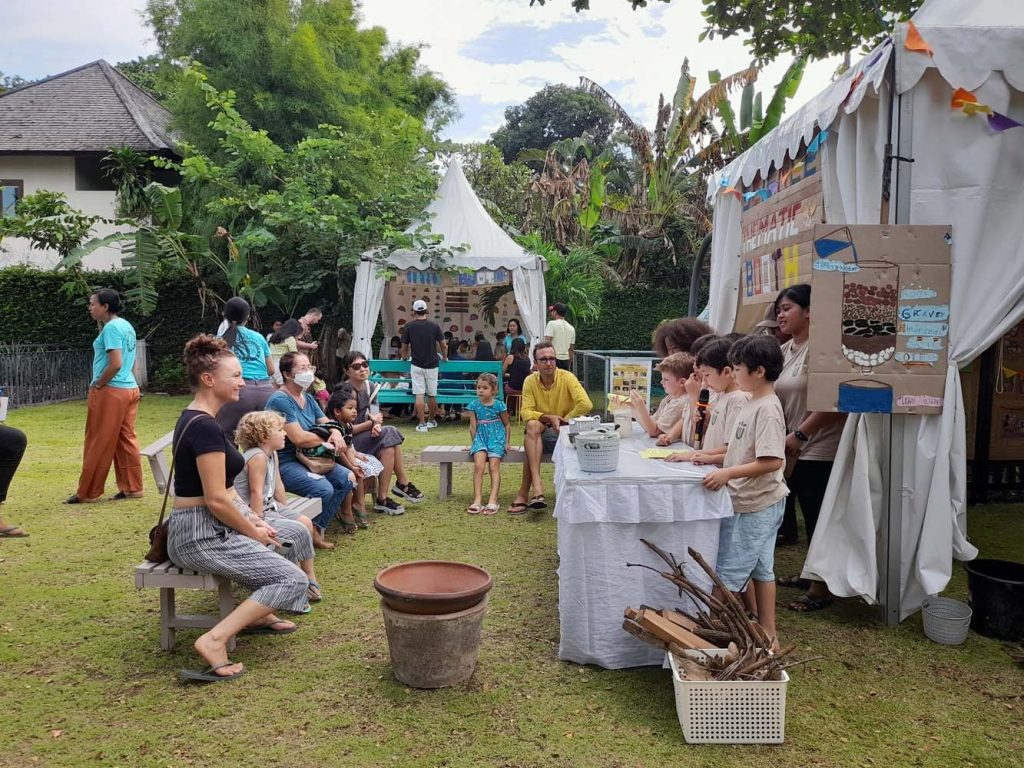
Our science class team ready for the presentation
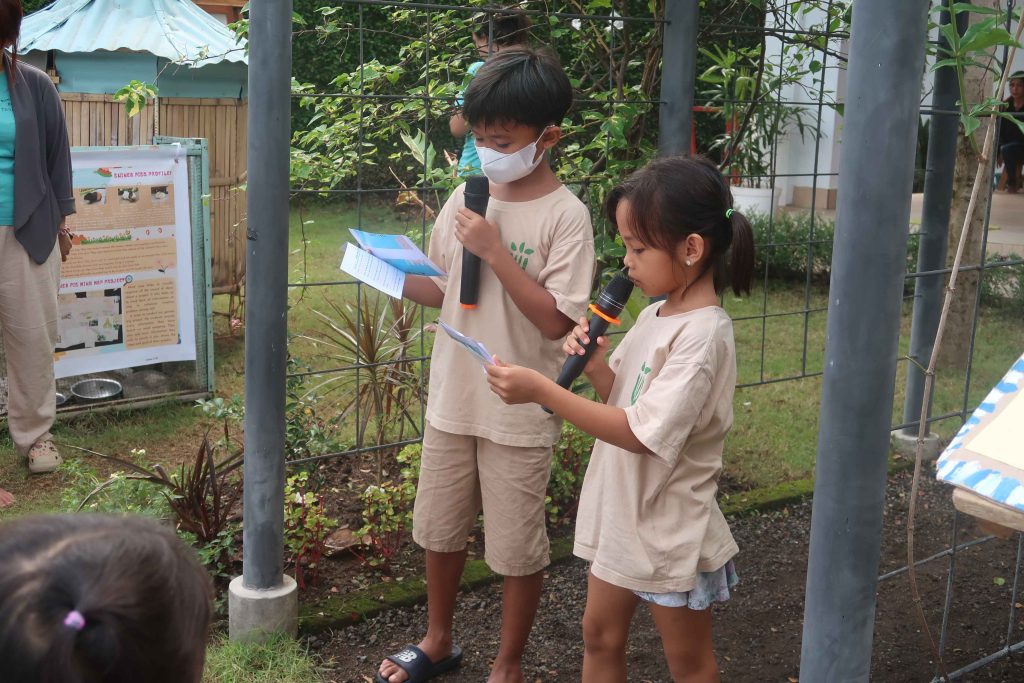
Warmest welcome from primary students to attending parents
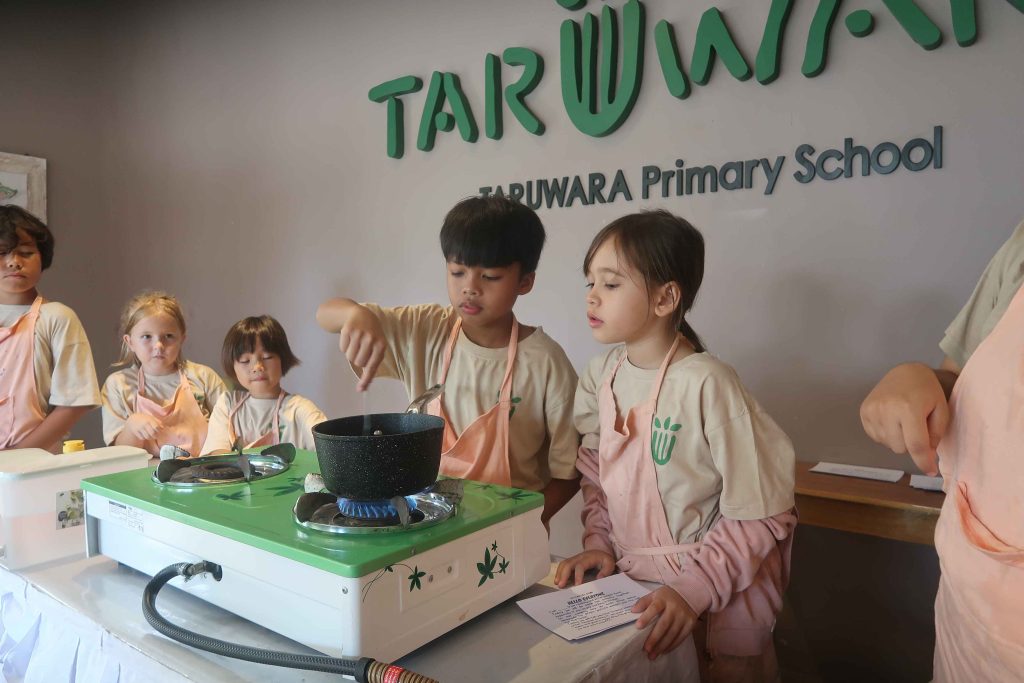
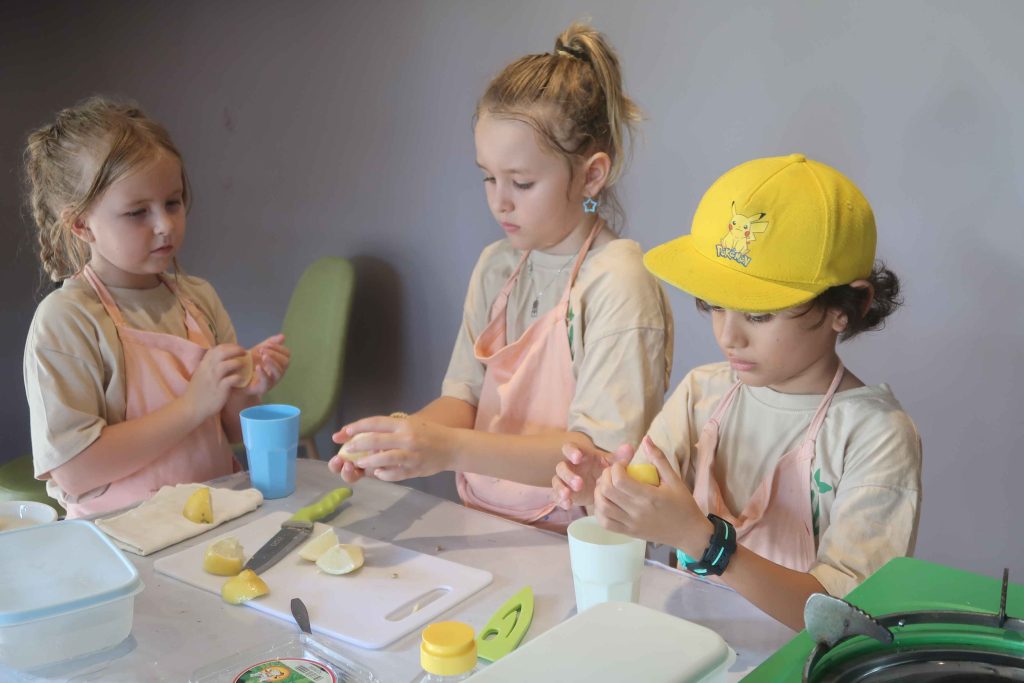
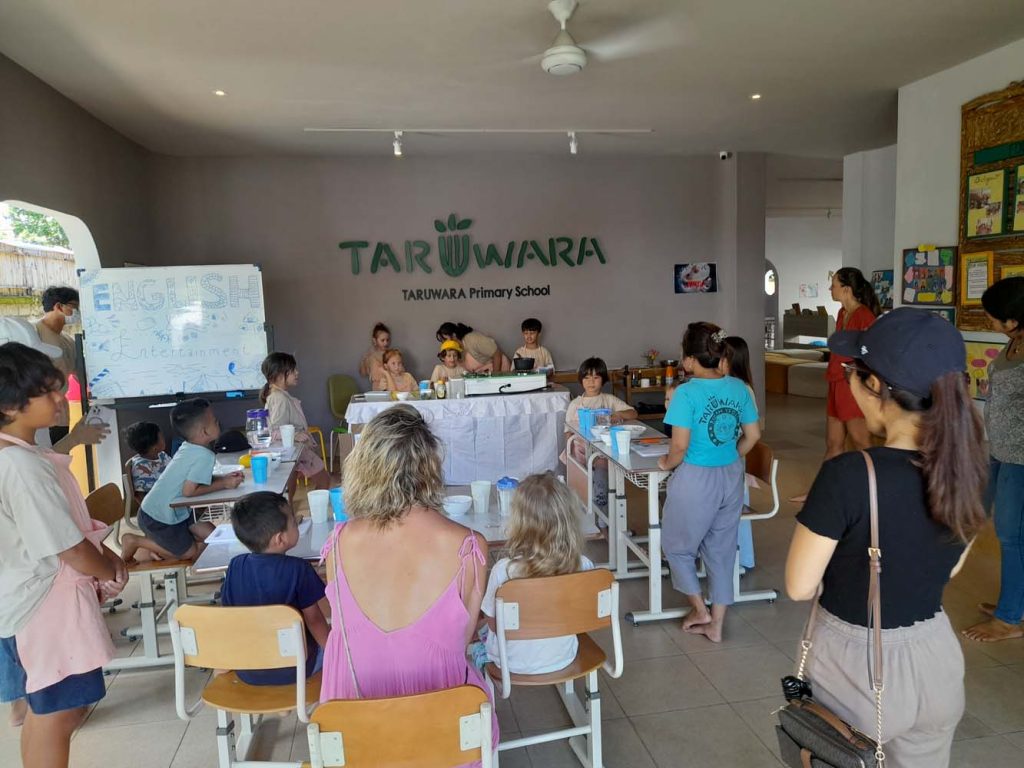
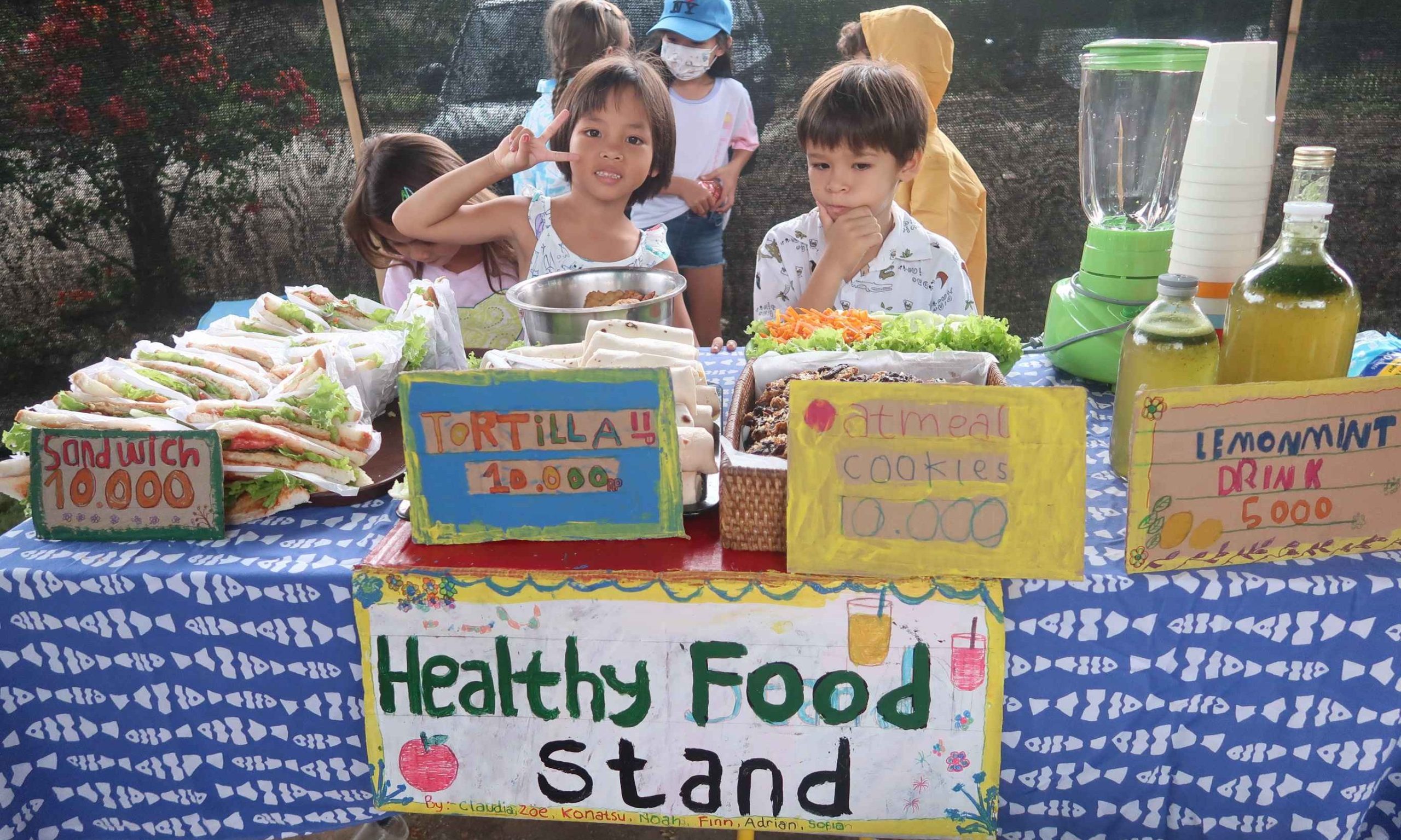
Primary school children showcase their cooking skills in front of the attending parents. They prepare the same menu, rice balls, just like they did during the previous project camp.
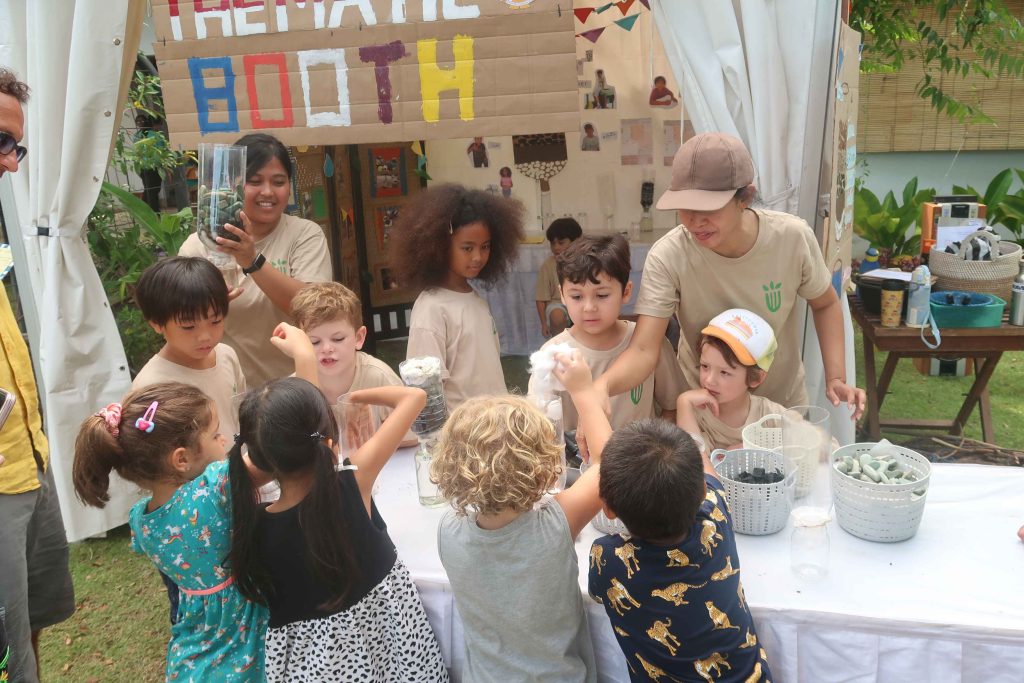
During the experiments, the kindergarten children are particularly fascinated and interested in the activity
Demonstration on setting up a tent from primary children with parents from kindergarten
Parents and their kids Building a tent with math team
Showcase their life skill that they got from their previous project
Presentation from science team to mix-class parents and children
The parents and kindergarten children are getting ready to make lemonade according to the instructions from the English class team.
We are extremely grateful that the attending parents are very supportive of our elementary school children.

More To Read

Building Independence: Life Skills Classes at Taruwara Primary
UncategorisedGeneral News 20 Aug 2025

Building Independence: Life Skills Classes at Taruwara Primary

"Life Skills Classes at Taruwara Primary are not about chores—they are about growth. They prepare children to face real-life situations with resilience, creativity, and confidence." At Taruwara Primary, we believe education should prepare children not only for academic success but also for everyday life. That’s why we introduced Life Skills Classes for our upper primary students—a special program where children learn practical, hands-on lessons that will help them grow into responsible, independent, and confident individuals. Many parents may remember the first time they washed a car, ironed their clothes, or managed their own shopping. These seemingly simple experiences actually stay with us, teaching discipline, care, and responsibility. Through Life Skills, we want our students to have the same opportunities, guided carefully in a supportive and fun learning environment. Ironing Clothes with Confidence Ironing is often considered an adult responsibility, but our students are excited to give it a try. With guidance from teachers, they learn how to handle the iron safely, smooth out wrinkles, and take their time to do the job well. The sense of satisfaction on their faces when they see neatly pressed clothes is priceless. Beyond the technical skill, ironing teaches patience, precision, and the importance of presentation. Washing Vehicles with Care Another day, the students head outside to wash vehicles. Buckets, sponges, and soap turn into tools of teamwork. Children quickly learn that washing a vehicle is more than just splashing water—it requires attention to detail and patience. This activity also sparks conversations about taking care of belongings and the effort that goes into maintaining things we use every day. It’s a fun, physical task that leaves students smiling at their shiny finished work. Shopping at the Bookstore Life Skills aren’t limited to chores at home or school. Our students also experience the real-world practice of shopping, such as visiting a bookstore with a budget in hand. For many, this is the first time they’ve had to make choices on what to buy while considering both needs and wants. They learn how to interact politely with shopkeepers, calculate costs, and make responsible decisions. The joy of leaving the store with a book they’ve chosen themselves is a bonus that strengthens both confidence and independence. Learning to Clean the Sink and Kitchen One of the first lessons takes place in the kitchen, where students practice cleaning the sink and keeping the area tidy. At first, some students giggle as they put on gloves and get ready to scrub, but soon they realize it’s not just about cleaning. It’s about taking pride in maintaining a space where everyone can work and feel comfortable. By learning this, children develop habits of hygiene, orderliness, and respect for shared environments. The Bigger Picture: Why Life Skills Matter Through these experiences, we want our students to realize that life is full of small responsibilities that matter. Cleaning, washing, ironing, and shopping might look simple, but they are stepping stones toward independence. More importantly, these activities teach values: caring for shared spaces, respecting belongings, managing money wisely, and feeling proud of a job well done. Life Skills Classes at Taruwara Primary are not about chores—they are about growth. They prepare children to face real-life situations with resilience, creativity, and confidence. Our hope is that, through these lessons, students not only gain practical knowledge but also carry with them the deeper understanding that independence and responsibility are keys to shaping a meaningful life. A Shared Journey with Parents We believe these lessons become even more powerful when reinforced at home. Parents can encourage their children to practice simple daily tasks, celebrate their efforts, and give them opportunities to take on small responsibilities. Together, school and family can nurture children who are not only academically capable, but also independent, caring, and ready for the future.

Egg Incubator
Project Student 03 Apr 2023

Egg Incubator

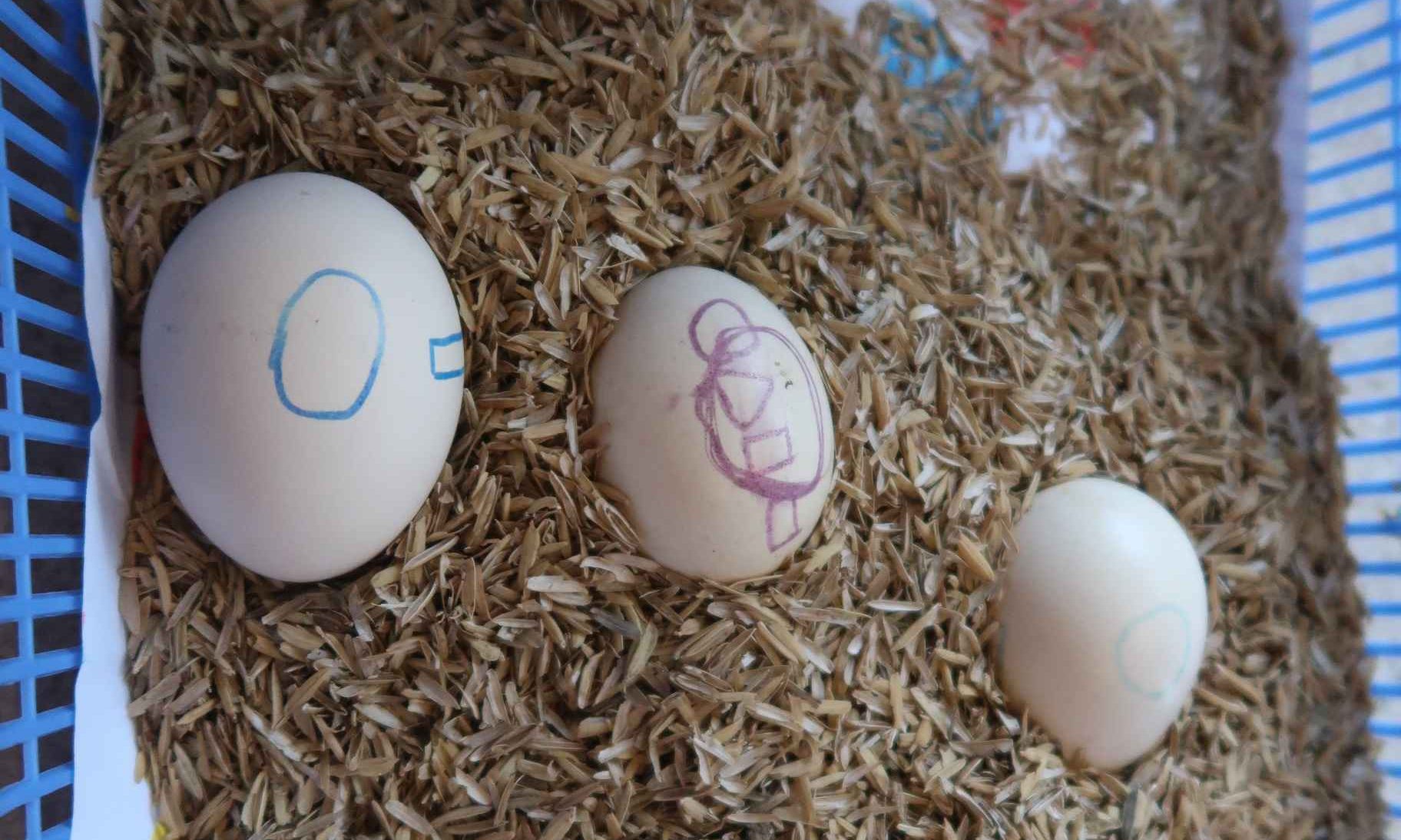
Background One day, Miss Ima found an egg laying on the carpet inside the classroom, and she moved the egg to the top of the cupboard. In the afternoon, Micol found the egg and asked “Where did you get the egg miss?” and Miss Ima told Micol where she found them. A few days after that, Miss Ima found another egg on the carpet and moved it to the cupboard. Not long after that, Micol found a couple of eggs inside the cupboard and she came up with an idea “Miss, why don’t we make an incubator for these eggs?”. Miss Ima agreed to the idea and shared the idea with the others. The discussion started with a question “Who likes animals?” and all students raised their hands up. During the discussion, they also try to find out how to make an egg incubator and how to take care of an egg until it hatched. We were using the internet as our source of information. The discussion happened for another couple of days, we also asked students to discuss this project with their parents. After we have gathered all the information, try to make the incubator and calendar in the class. We use the incubator to lay the eggs and warm them until they hatch. Inside we have rice husks, some cloth, water inside a bowl to keep the humidity balanced, and a fluorescent lamp (20 watts). Other than the incubator, students also made a calendar as a reminder of the days, because based on the information they found, it took 21 days for the egg to hatch. After the incubator is done, all students are asked to take care of and be responsible for the eggs. Based on the information they got, they are supposed to rotate the eggs 90 degrees 3 times a day, in order to give an even warmth on all surfaces, so the embryos can grow healthily. Based on the egg needs, students came up with a duty schedule to share the responsibility together. This project was their second project. The first project was not successful, because the egg didn’t get enough warmth, they were using a 5-watt lamp. Another thing that played a part in the failure was they moved the egg around during checking time and moved it to the darker side inside the box. Learning Resources Internet           : Tutorial on how to make an egg incubator, How to make a good egg incubator Resources       : Teachers, Parents, Poultry Expert (Bali Bird Park Team)           Learning Orientation Student-oriented learning. In this project, students are directed to become subjects and objects that they learn from the egg incubator project. Children are encouraged to think critically about the problem they face and find solutions to problems during the process. The teacher’s role in this project is as a facilitator and helps students get a real and authentic learning experience. Learning is considered and adapted to previous experiences and students’ intellect because each student has different learning experiences and potential. Research Stages a.      Research on how to make a good egg incubator. b.      Research about how long it takes for an egg to hatch. c.      Research on how to treat eggs properly. d.      Prepare the tools and materials needed to make an incubator. e.      Make the incubator and calendar as reminded. f.        Routine inspection. Documentation Documentation activities are carried out by the teacher at each stage of the activities carried out by students starting from the preparation stage, making the incubator, to the routine inspection stage which is carried out entirely by students with assistance from the teacher. Discussion about egg Prepared the necessary electricity and lighting for the egg incubator The children prepared some husk and placed the eggs inside it to keep them warm The students listened carefully to the teacher's instructions The process of making an incubator Learning more about an egg before we start the project Decorated the incubator Children took turns on duty to check the eggs The students placed the eggs in the incubator.

Guinea Pig Project
Project Student 18 Apr 2023

Guinea Pig Project

Children love animals, and for good reason having pets at school has been dreamed of by our students. Our "pet project" started with creating an egg incubator, so that we can hatch our own chick. But unfortunately, it failed after three trials. Haven't given up yet, we discussed and decided to continue the project by adopting another pet. It wasn't an easy decision to decide which pet we would like to adopt. Finally, we agreed to adopt a guinea pig and our guinea pig project began. To support our project, we need to prepare everything thoroughly. We learnt many theories about guinea pigs in each class. In science, we learnt that guinea pigs are rodent animals. We got to know their natural predators and foods. It helps us to take care of them. Inviting guinea pig owners is also on our list. We would like the experts to share their real experiences in order to take care of guinea pigs. We also got a chance to ask some questions regarding guinea pigs. As mentioned before, we learnt many things in order to support our project. We learnt measurement in math so that we can design and create the best guinea pig cage. In order to take care of our guinea pig, we set up a duty schedule and took turns giving food and cleaning the cage. A mind map helps to visually organize all the records of ideas about a project. It also helps us to track back all information or steps to enhance creative problem-solving skills. In order to conduct our guinea pig project, the students record every piece of information they have learnt on mind mapping. They also add more information they wish to enrich. It also shows the steps and goals of their project. Documentation: Q&A with guinea pig expert. All kids were very passionate to know more about guinea pig before they can adopt them They were learning about guinea pig and how to take care of them The first time they met a guinea pig. Guinea loves carrot and vegetables Workshop about guinea pig Primary children loves to spent their free time with our Guinea pigs Lovely Sugar & Oreo Snowy Daily duty to feed guinea pigs Student on duty to take care of guinea pig The first time they met a guinea pig. Mind Map for Guinea Pig Project Team work with school staff to bring their design ideas to life We made the cage from bamboo Guinea Pigs Cage Maker The process of making a guinea pig cage