Output Day Event 2025 “Celebrating Knowledge Everywhere!”

Everywhere—knowledge is everywhere!”

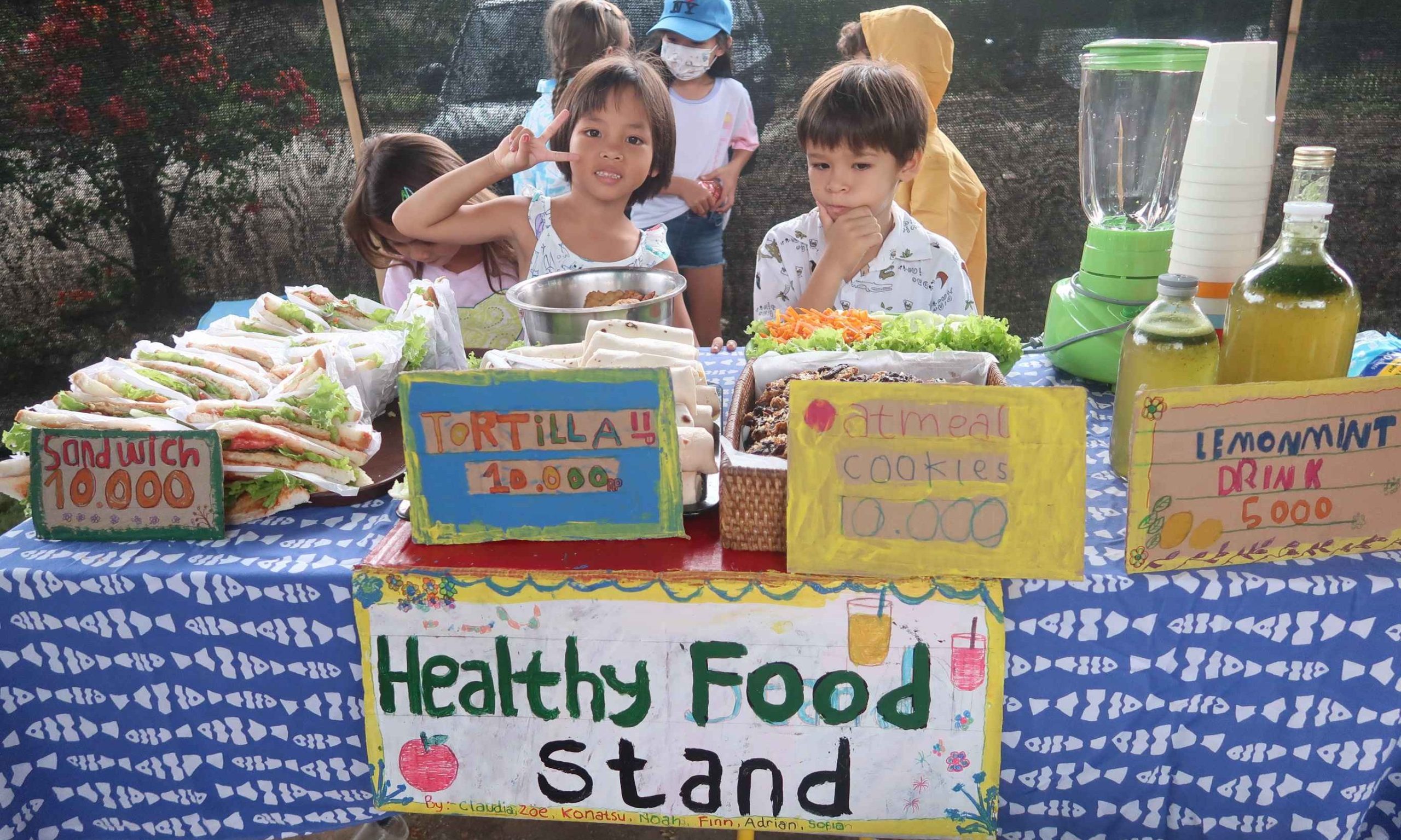
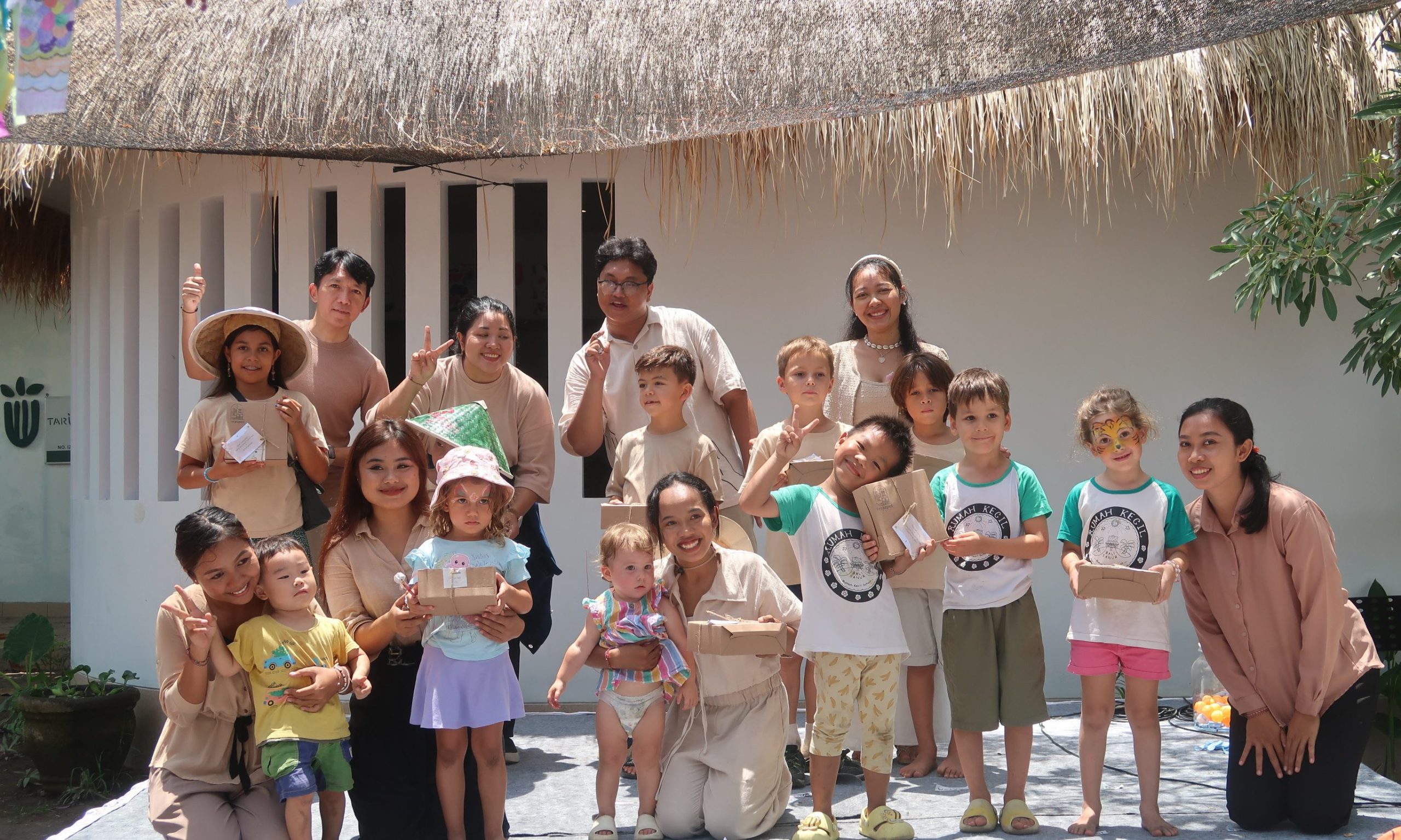
On Friday, 28 February 2025, the campuses of Taruwara and Rumah Kecil were buzzing with excitement as students, parents, and teachers gathered for the much-anticipated Output Day Event 2025. This year, the event was themed “Knowledge is Everywhere”, reinforcing the idea that learning is not limited to classrooms but can be found anywhere and shared with anyone.

More than just a student project showcase, Output Day aligned with key Sustainable Development Goals (SDGs):
📚 SDG 4 – Quality Education: Promoting accessible and engaging learning experiences
🏙️ SDG 11 – Sustainable Cities & Communities: Encouraging sustainable practices and social responsibility.

A Day of Discovery, Engagement, and Growth

From the moment families stepped in, curiosity and excitement filled the air. Parents actively engaged with their children’s projects, discovering how their young learners had transformed knowledge into real-world applications.

One of the most standout moments of the event was watching students bravely take the stage—after weeks of preparation—to present their projects. Despite initial nerves, their confidence and public speaking skills had improved tremendously.

And the fun fact of the day? The event’s MC was none other than Charles, a Primary student, who confidently led the program like a pro! 👏

Exploring Knowledge Through Interactive Booths

The event featured a variety of interactive booths where Primary students showcased their projects, allowing younger students and parents to explore different fields of knowledge:

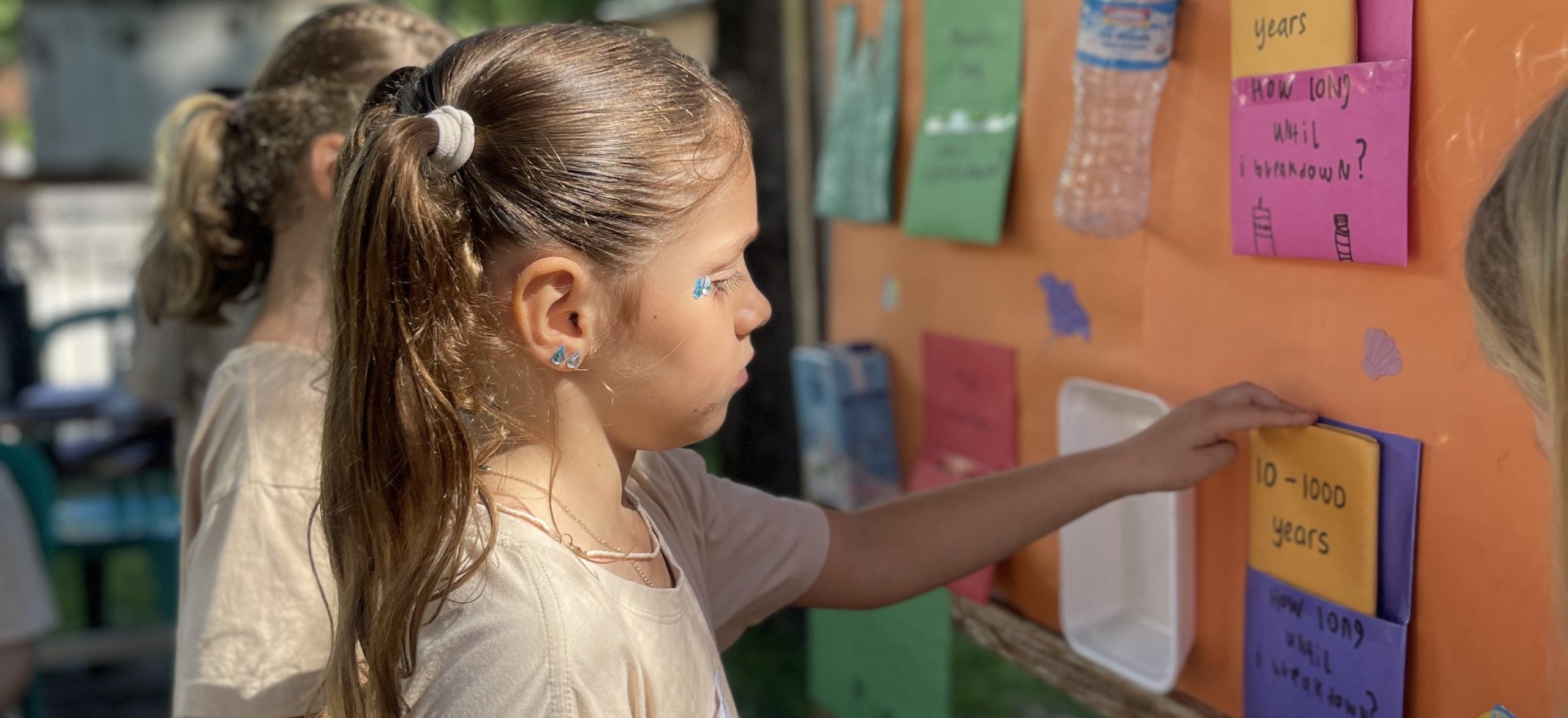
🔵 Turtle Habitat, Eco-Brick & Plastic Breakdown Challenge – Raising awareness about marine conservation and sustainability

🌊 Coral Reef Map – Exploring underwater ecosystems
🎨 Comic, Light Paper Art & Poster Booth – A creative blend of storytelling and visual art

📊 Data Graph & Perimeter Puzzle – Making math fun and interactive 💻 VR, AR & Games – Bringing technology to life through immersive digital experiences

Meanwhile, the Preschool students stole the show with their hands-on recycling projects, proving that even the youngest learners can make an impact:

♻️ Tissue Decoupage Art – Transforming simple materials into beautiful crafts
🐠 DIY Fish Tank – Upcycling PET gallons into creative mini aquariums
🍕 Pizza-Making with Parents – A fun-filled culinary activity strengthening family bonds

A True Community Effort

This year’s Output Day Event was more than just an exhibition—it was a celebration of learning, collaboration, and sustainability. From student-led projects to parental involvement, the event demonstrated that knowledge is indeed everywhere, waiting to be explored, shared, and applied to make a difference.

One parent summed it up perfectly:
“It was amazing to see all the projects from the kids. You could really feel the effort and creativity they put into them!”

With another successful event in the books, we look forward to seeing even bigger and more exciting projects next year! 🚀

👉 What was your favorite part of Output Day Event 2025? Share your thoughts in the comments below!
More To Read

First Ever “Output Day” Event!
General News 10 Apr 2023

First Ever “Output Day” Event!

The other day we successfully completed our first attempt to hold an Output Day. Output Day, as the name suggests, is a day to output what students have been inputting. We have been preparing our presentations and bulletin boards for that day. The primary class students with their teacher prepare 3 booths. They are assigned to each booth with their teacher. There was a booth for science and thematic, English with art, and mathematics. The children in each booth are tasked with presenting their projects and things they have learned so far at Taruwara. The teachers are just as nervous as their students, some of them feeling very tense before the event starts. However, they manage to overcome their tension and nervousness to welcome all the parents and kindergarten children. Some of the students who were not very good at public speaking gained her confidence by seeing her teachers, mothers, and younger students who were trying their best. Her teammates were also motivated by her efforts.  After the three-hour event, the children and teachers were exhausted, but despite the short preparation period and the fact that it was their first experience, they were able to pull it off, which was a very valuable experience for all of us. During the reflection time, we were able to hear comments such as, "We can do this better next time! I want to do something like this!” and other positive things. We wondered if this was also the result of the daily circle time and reflection session. On that day, the kindergarten children also had an opportunity to do activities together with their parents, and everyone seemed very happy to see the children's responses and reactions, which they do not get to see every day. We were also very anxious about the parents' opinions after coming to observe the elementary school presentation, but we were very grateful for their warm and supportive attitude toward the children throughout the event, even if some of them could not speak well. Good job kids!! We are so proud of you all. Documentation: Our math class team ready for presentation about how to build a tent Our science class team ready for the presentation Warmest welcome from primary students to attending parents Primary school children showcase their cooking skills in front of the attending parents. They prepare the same menu, rice balls, just like they did during the previous project camp. During the experiments, the kindergarten children are particularly fascinated and interested in the activity Demonstration on setting up a tent from primary children with parents from kindergarten Parents and their kids Building a tent with math team Showcase their life skill that they got from their previous project Presentation from science team to mix-class parents and children The parents and kindergarten children are getting ready to make lemonade according to the instructions from the English class team. We are extremely grateful that the attending parents are very supportive of our elementary school children.

Sustainable Farming & Healthy meals: The Story Behind Our School’s Organic Rice
General News 20 Feb 2025

Sustainable Farming & Healthy meals: The Story Behind Our School’s Organic Rice

At our school, we believe that healthy meals are the foundation of a thriving learning environment. That’s why we’re mindful about every ingredient we use in our school meals, ensuring that they are nutritious, organic, and sustainably sourced. One of the staples in our daily meals is a blend of organic red rice and white rice, carefully selected to provide both health benefits and a texture that kids enjoy. But what makes our rice special? It’s not just about the nutrition—it’s also about how it’s grown. We source our rice from local farmers who practice eco-friendly farming methods, including the use of eco-enzyme fertilizers. This not only produces high-quality, chemical-free rice but also supports sustainable agriculture. Why We Choose Organic Red Rice Red rice is a powerhouse of nutrition. Unlike white rice, it retains its bran layer, which is rich in fiber, antioxidants, and essential nutrients such as iron, zinc, and B vitamins. Here’s why we include red rice in our school meals: High in fiber – Helps with digestion and keeps kids fuller for longer. Rich in antioxidants – Protects the body from harmful free radicals. Supports heart health – Contains natural compounds that help regulate cholesterol levels. Helps in energy production – Packed with B vitamins that aid in metabolism. Balancing Nutrition and Taste While red rice is highly nutritious, its texture can be firmer than what kids are used to. To make it more palatable, we blend red rice with organic white rice. This combination maintains the nutritional benefits of red rice while ensuring a softer, fluffier texture that children enjoy. Eco-Enzyme Fertilizers: A Sustainable Choice The farmers who supply our white rice use eco-enzyme fertilizers, a natural and environmentally friendly alternative to chemical fertilizers. Eco-enzymes are made from fermented fruit and vegetable scraps, creating a nutrient-rich solution that: Improves soil quality Enhances plant growth naturally Reduces chemical waste in farming Supports biodiversity and eco-friendly agriculture By supporting farmers who use eco-enzyme fertilizers, we are not only ensuring that our students eat the best quality rice but also promoting a more sustainable future for agriculture. As we continue to make mindful food choices, we invite parents and the community to explore red rice at home, too! Try mixing it with white rice, just like we do at school, to create a balanced and nutritious meal. Together, we can nurture a generation that values both their health and the planet—one mindful meal at a time.

Building Independence: Life Skills Classes at Taruwara Primary
UncategorisedGeneral News 20 Aug 2025

Building Independence: Life Skills Classes at Taruwara Primary

"Life Skills Classes at Taruwara Primary are not about chores—they are about growth. They prepare children to face real-life situations with resilience, creativity, and confidence." At Taruwara Primary, we believe education should prepare children not only for academic success but also for everyday life. That’s why we introduced Life Skills Classes for our upper primary students—a special program where children learn practical, hands-on lessons that will help them grow into responsible, independent, and confident individuals. Many parents may remember the first time they washed a car, ironed their clothes, or managed their own shopping. These seemingly simple experiences actually stay with us, teaching discipline, care, and responsibility. Through Life Skills, we want our students to have the same opportunities, guided carefully in a supportive and fun learning environment. Ironing Clothes with Confidence Ironing is often considered an adult responsibility, but our students are excited to give it a try. With guidance from teachers, they learn how to handle the iron safely, smooth out wrinkles, and take their time to do the job well. The sense of satisfaction on their faces when they see neatly pressed clothes is priceless. Beyond the technical skill, ironing teaches patience, precision, and the importance of presentation. Washing Vehicles with Care Another day, the students head outside to wash vehicles. Buckets, sponges, and soap turn into tools of teamwork. Children quickly learn that washing a vehicle is more than just splashing water—it requires attention to detail and patience. This activity also sparks conversations about taking care of belongings and the effort that goes into maintaining things we use every day. It’s a fun, physical task that leaves students smiling at their shiny finished work. Shopping at the Bookstore Life Skills aren’t limited to chores at home or school. Our students also experience the real-world practice of shopping, such as visiting a bookstore with a budget in hand. For many, this is the first time they’ve had to make choices on what to buy while considering both needs and wants. They learn how to interact politely with shopkeepers, calculate costs, and make responsible decisions. The joy of leaving the store with a book they’ve chosen themselves is a bonus that strengthens both confidence and independence. Learning to Clean the Sink and Kitchen One of the first lessons takes place in the kitchen, where students practice cleaning the sink and keeping the area tidy. At first, some students giggle as they put on gloves and get ready to scrub, but soon they realize it’s not just about cleaning. It’s about taking pride in maintaining a space where everyone can work and feel comfortable. By learning this, children develop habits of hygiene, orderliness, and respect for shared environments. The Bigger Picture: Why Life Skills Matter Through these experiences, we want our students to realize that life is full of small responsibilities that matter. Cleaning, washing, ironing, and shopping might look simple, but they are stepping stones toward independence. More importantly, these activities teach values: caring for shared spaces, respecting belongings, managing money wisely, and feeling proud of a job well done. Life Skills Classes at Taruwara Primary are not about chores—they are about growth. They prepare children to face real-life situations with resilience, creativity, and confidence. Our hope is that, through these lessons, students not only gain practical knowledge but also carry with them the deeper understanding that independence and responsibility are keys to shaping a meaningful life. A Shared Journey with Parents We believe these lessons become even more powerful when reinforced at home. Parents can encourage their children to practice simple daily tasks, celebrate their efforts, and give them opportunities to take on small responsibilities. Together, school and family can nurture children who are not only academically capable, but also independent, caring, and ready for the future.