Sustainable Farming & Healthy meals: The Story Behind Our School’s Organic Rice

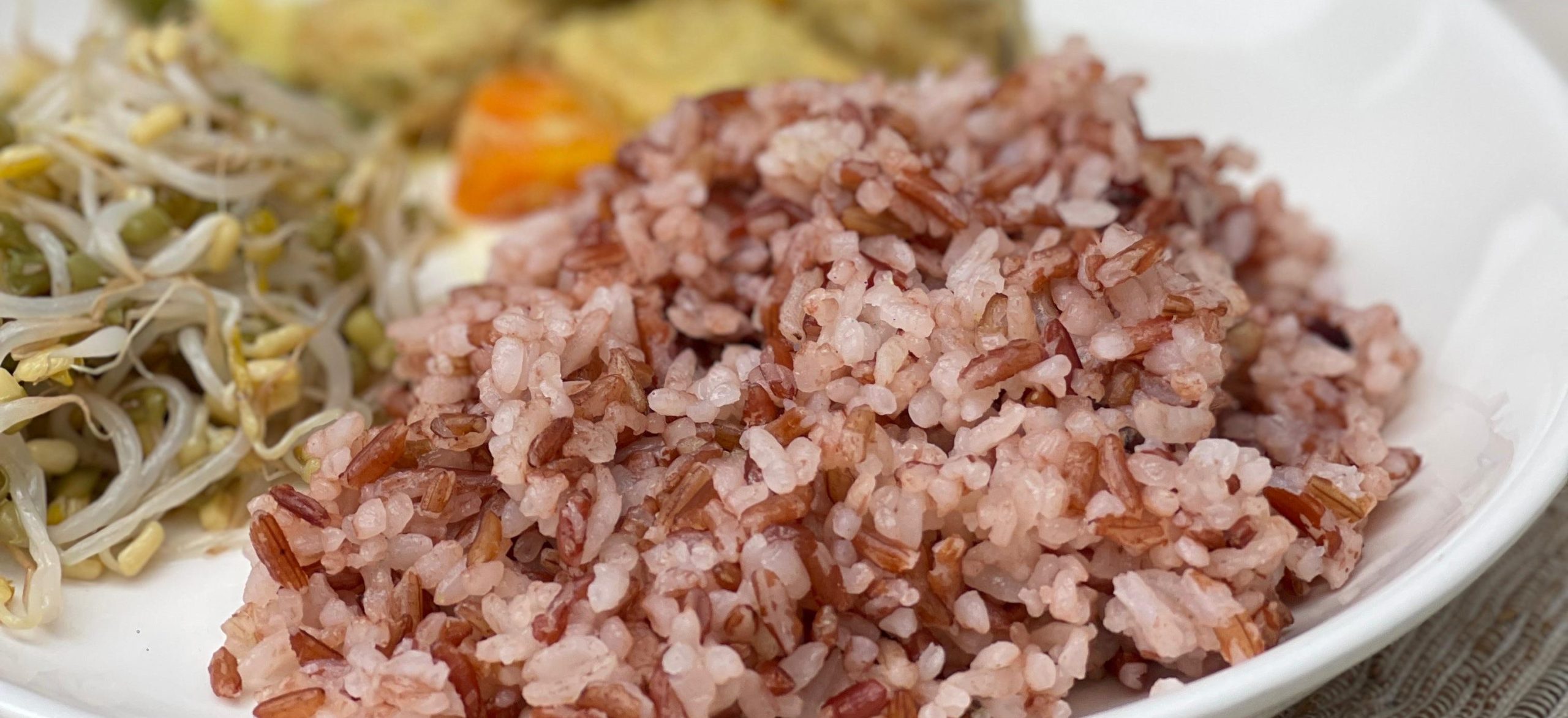
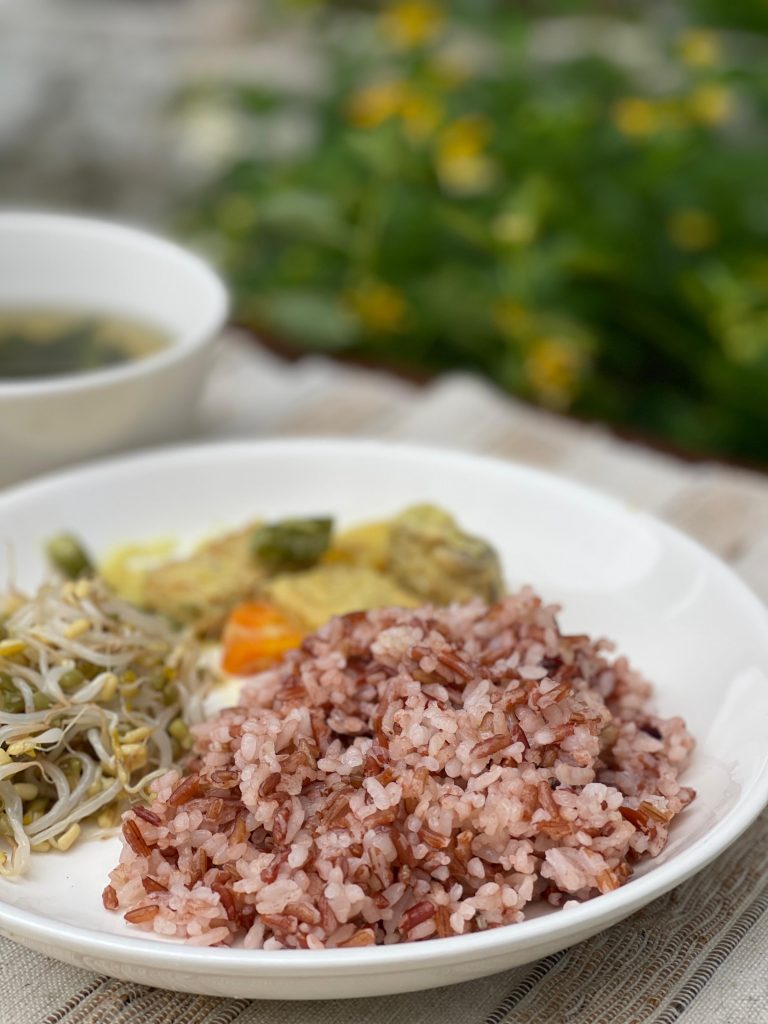
At our school, we believe that healthy meals are the foundation of a thriving learning environment. That’s why we’re mindful about every ingredient we use in our school meals, ensuring that they are nutritious, organic, and sustainably sourced. One of the staples in our daily meals is a blend of organic red rice and white rice, carefully selected to provide both health benefits and a texture that kids enjoy.

But what makes our rice special? It’s not just about the nutrition—it’s also about how it’s grown. We source our rice from local farmers who practice eco-friendly farming methods, including the use of eco-enzyme fertilizers. This not only produces high-quality, chemical-free rice but also supports sustainable agriculture.

Why We Choose Organic Red Rice

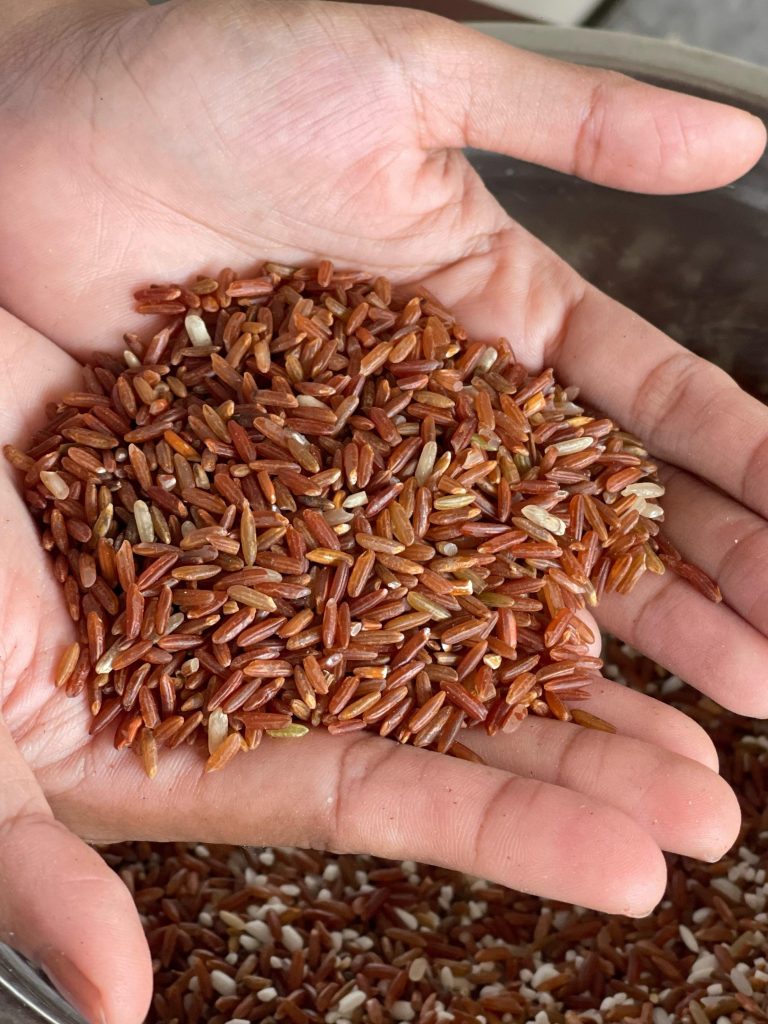
Red rice is a powerhouse of nutrition. Unlike white rice, it retains its bran layer, which is rich in fiber, antioxidants, and essential nutrients such as iron, zinc, and B vitamins. Here’s why we include red rice in our school meals:

  • High in fiber – Helps with digestion and keeps kids fuller for longer.
  • Rich in antioxidants – Protects the body from harmful free radicals.
  • Supports heart health – Contains natural compounds that help regulate cholesterol levels.
  • Helps in energy production – Packed with B vitamins that aid in metabolism.

Balancing Nutrition and Taste

While red rice is highly nutritious, its texture can be firmer than what kids are used to. To make it more palatable, we blend red rice with organic white rice. This combination maintains the nutritional benefits of red rice while ensuring a softer, fluffier texture that children enjoy.

Eco-Enzyme Fertilizers: A Sustainable Choice

The farmers who supply our white rice use eco-enzyme fertilizers, a natural and environmentally friendly alternative to chemical fertilizers. Eco-enzymes are made from fermented fruit and vegetable scraps, creating a nutrient-rich solution that:

  • Improves soil quality
  • Enhances plant growth naturally
  • Reduces chemical waste in farming
  • Supports biodiversity and eco-friendly agriculture

By supporting farmers who use eco-enzyme fertilizers, we are not only ensuring that our students eat the best quality rice but also promoting a more sustainable future for agriculture.
As we continue to make mindful food choices, we invite parents and the community to explore red rice at home, too! Try mixing it with white rice, just like we do at school, to create a balanced and nutritious meal. Together, we can nurture a generation that values both their health and the planet—one mindful meal at a time.

More To Read

Building The Joy of Reading and Writing at Taruwara
General News 22 Oct 2025

Building The Joy of Reading and Writing at Taruwara

Sometimes, all it takes is one good book to start a new habit. 📚✨ At Taruwara, we believe that reading and writing are more than just academic skills — they are the foundation for lifelong learning. From an early age, we encourage our students to see reading not as a task, but as an adventure that opens their imagination, strengthens their focus, and builds empathy through stories. For young learners, developing these skills early helps them express their thoughts more clearly, understand others’ perspectives, and grow confident in communicating their ideas. That’s why we continuously create meaningful opportunities for children to read, write, and reflect in ways that feel enjoyable and personal. 🌱 This semester, our Primary 3–4 students began a small reading challenge, to finish 40 books in one month. What started as a simple goal soon became an exciting surprise: together, they reached 50 books! 📖✨ Every morning, students spend time reading books of their choice. Afterward, they write short reflections or reviews to share their thoughts, feelings, and favorite parts of the stories. This routine helps them slow down, think deeply, and express themselves in writing, turning reading into a joyful habit rather than a duty. Teachers observed how this activity not only improved students’ reading comprehension and writing fluency but also changed their attitude toward learning. Many children now pick up books on their own, curious about new stories and eager to talk about what they’ve read. “At first, we simply wanted to help students improve their literacy skills,” one teacher shared. “But what touched us most was seeing how reading became something they truly look forward to. They now talk about books with excitement — and that’s when we know the love for learning has begun.” 💚 Through consistent practice, students are building self-discipline, critical thinking, and a genuine love for learning, values we hope they’ll carry far beyond the classroom. 💚 At Taruwara, our goal is to help every child grow into a confident, curious, and thoughtful learner. Because when children discover the joy of reading and writing, they don’t just learn, they transform. 🌿 How do you encourage reading time at home?We’d love to hear your ideas and experiences! Share your tips in the comments below 👇

The 2nd Output Day (22 February, 2024)
General News 19 Mar 2024

The 2nd Output Day (22 February, 2024)

After months of preparation, Output Day has finally arrived. This special event at Taruwara Primary School. Output Day is our school exhibition event that provides our students with the opportunity to showcase their learning experiences. Over the past three months, we have observed and assessed their interests and capacities, grouping them accordingly into five categories: Wonderful Batik, Beautiful Indonesia, Green & Science, Coding, and Craft Creation. Each group selected two to three students to present their projects on the main stage. However, in the case of Amazing Indonesia and Wonderful Batik booths, all students from these groups participated, with two students presenting at a time. The Fabulous Batik Group demonstrated the art of batik sketching under the guidance of our skilled students. Regardless of your prior experience in art, they were eager to assist with their warm smiles. They passionately shared the history of batik and showcased the intricate process of creating batik from scratch. The Amazing Indonesia Group captivated guests with their vibrant displays representing various aspects of Indonesian culture. From traditional games like kite flying and congklak to interactive demonstrations on how to craft these items, the group offered an immersive experience of Indonesia's rich heritage. Meanwhile, the Green & Science Class showcased environmentally friendly products crafted during the past three months. From organic fertilizers made from eggshells to scrubs and soap bars made from coffee grounds, they emphasized the importance of utilizing kitchen waste effectively. The Coding Group presented intriguing projects, including rocket and roller coaster simulators. Their innovative creations attracted a large crowd, offering guests an exciting journey through the realms of space and amusement parks. What most attract the crowd is Coding Group use Virtual Reality (VR) to gain guest's interaction and engagement. Lastly, the Craft Creation Group showcased a diverse range of projects, all crafted from cardboard. From solar panel illustrations to miniature houses and interactive games, the group demonstrated their creativity and ingenuity. We are immensely proud of our students' achievements, which underscore our commitment to project-based learning and leave a lasting impression on all who attended. Dante, our Grade-4 student take a spot as an MC Wonderful Batik Group is ready to guide you with their art sense Green and Science Group will explain how you can save the earth The "Amazing Indonesia Booth" received a lot of visitors who wanted to play The queue at the Coding Group to try our simulators Presentation from Craft Creation Group

The Journey of Fabulous Batik Group in Output Day at Taruwara Primary
Project Student 03 Apr 2024

The Journey of Fabulous Batik Group in Output Day at Taruwara Primary

In the beginning, the decision to introduce batik making was inspired by the students' familiarity with batik as one of Indonesia's iconic art forms. Far from showing any resistance, the students eagerly contributed ideas, suggesting patterns could be applied to various media such as cups, sculptures, and more. Ultimately, the decision was made to work with fabric, aiming to immerse the students in the rich culture of batik within the fashion industry. Throughout the preparation process, we encountered numerous challenges. One significant hurdle was the realization that, while our students were familiar with batik as a final product, they had never been exposed to the batik-making process itself, nor were they aware of its historical significance and utility. Another obstacle was the frequent misselection of materials, from choosing the right type of fabric to finding the ideal wax that was absorbent and melted efficiently. By the seventh week, we invited an expert from the Indonesian Institute of the Arts in Denpasar, who illuminated our path by clarifying the suitable types of fabric and wax, and even suggested the use of electric canting. This advice proved invaluable for our students' learning experience in the lead-up to the grand Output Day. The nine-week preparation process was not just about creating batik; it was an extensive learning journey. Pak Nanda, the teacher guiding the Fabulous Batik group, along with Pak Samuel, provided an educational environment that encouraged learning from mistakes. This approach allowed students to discover the correct steps to prevent future errors. Pak Nanda emphasized that these lessons were universal, extending beyond the classroom. The ultimate motivator for the students was the possibility of selling their beautiful batik creations. The process, collaborative brainstorming, and the outcomes served as critical learning tools for the students in preparation for Output Day. Another key aspect was learning how to communicate and teach the batik-making process to parents and visitors at the Fabulous Batik Group booth. Furthermore, the experience of presenting in front of their peers played a significant role in their learning journey. What filled us with pride was watching the students improvise their speeches, setting aside the cue cards provided to them. Over weeks of preparation, these points became habitual, showcasing the students' growing confidence and autonomy. In the end, Pak Nanda and Pak Samuel hope to further tailor the program to each student's passion, making it easier for them to explain and present their work and to attract external visitors, potentially leading to participation in larger exhibitions. This journey with batik has not just been about learning a traditional craft; it has been a transformative experience for our students, teaching them about culture, creativity, and the power of perseverance. The Fabulous Batik project at Taruwara Primary has shown us all how art can inspire, educate, and unite. Everyone is busy preparing their booth Get a short briefing from the teachers before the gate open Batik Squad attract the guests to visit their booth Alana and Adzka impressed the crowd by their explanation Stand by and be ready for the exhibition time Our first two guests are very excited This is how we teach our guests how to use canting for making batik sketch Hot wax in a pan with warning sign. We don't want our guests to get hurt like we had in trainings