Bazaar “Fun Market” Project

We start the first term of the Academic Year 2022-2023 by having projects inspired by students. The project itself is inspired by students playing house with cardboard and teachers pick up on that and expand the ideas for year-long projects. We decided to do camping and related this project to our school events and subjects. Hence the Bazaar Project, our school has its birthday in September and we start planning to contribute to the bazaar event by selling some stuff in order to raise some money for the camping.

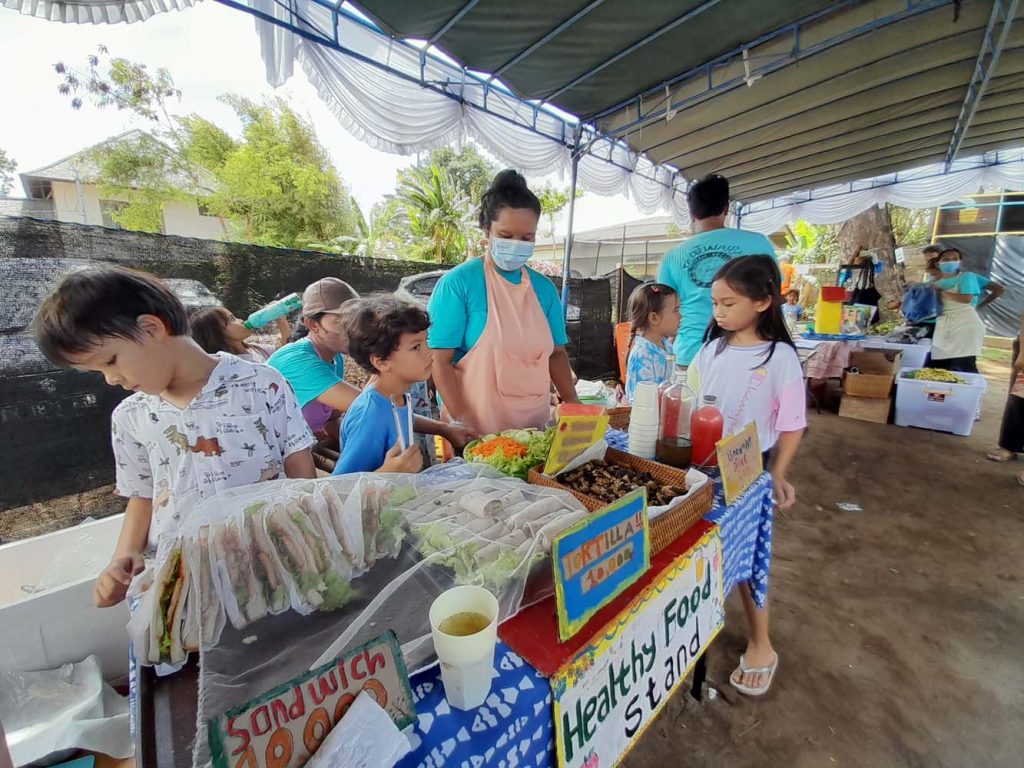
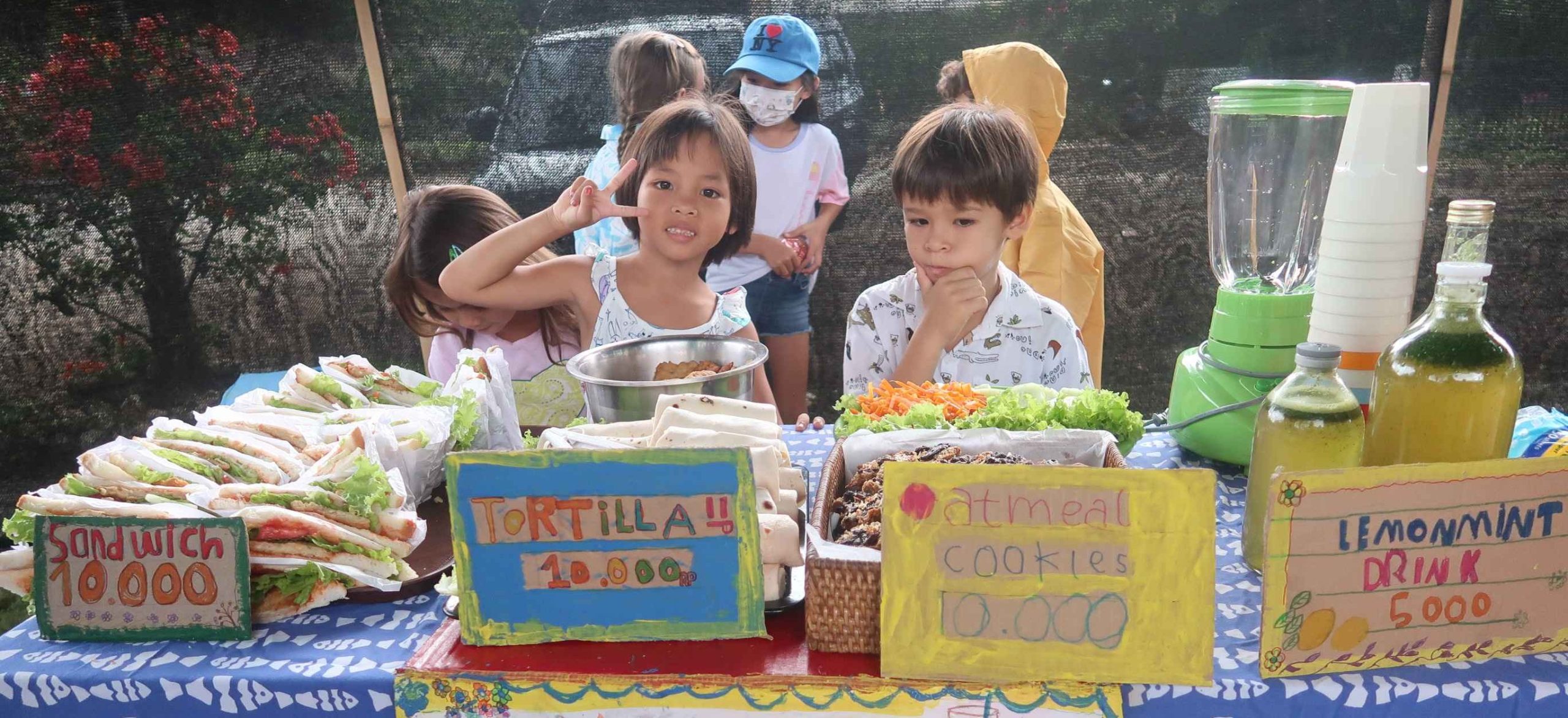
For the bazaar, students were divided into 3 different groups that will prepare their own stands. The groups are green stands, healthy food stands, and art stands. Students were doing mind maps from the beginning, so they know the connection between each subject and why they need to learn certain topics. Students were really involved from the beginning, during preparation, and on the day. They had a lot of discussions and made decisions themselves. We see a lot of beautiful collaboration between students during preparation and they work their hardest to make this event go smoothly. 

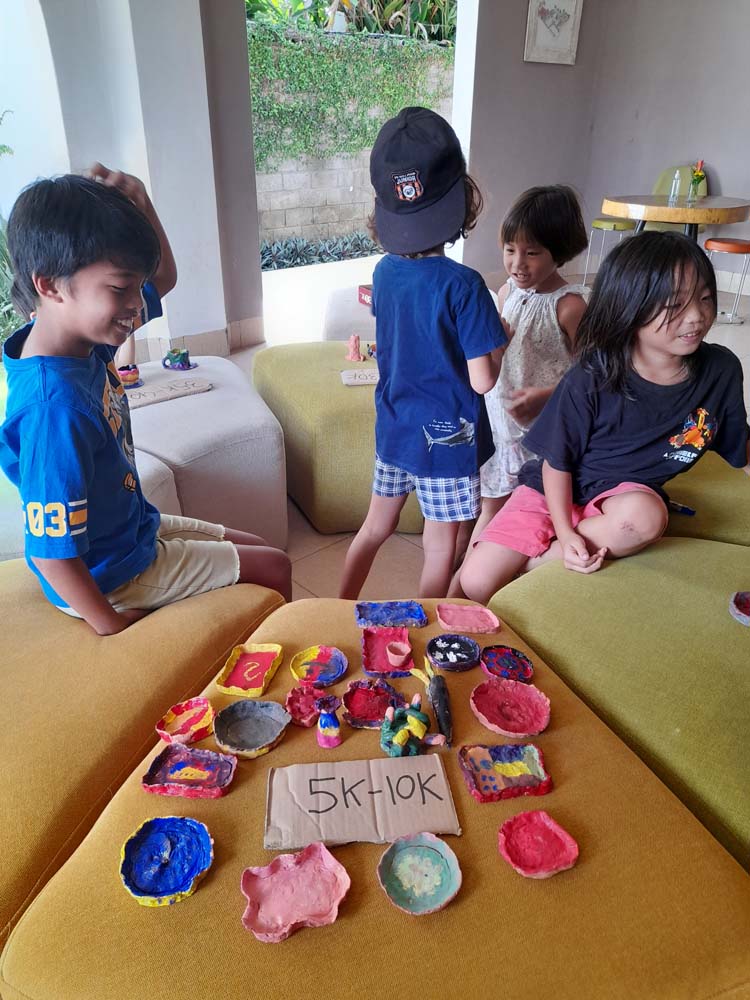
Before the bazaar, students learned about measurement, time, and money. These topics are to equip students during the bazaar since some of them are in charge of being the cashier. In Science class, students learned about hygiene and healthy food. Students learned about it and built the menu themselves for the healthy food stand. In Art class, students had the chance to make something from clay and some made some drawings. Overall, students were very involved and excited to have the bazaar.

We have had great support from parents during this event and almost everyone participates. For the Green stand, we had a big donation from one of our parents and it is one of the most successful stands. At the end of the bazaar, all stands were able to collect almost Rp. 3.000.000 to support our camping project. Students were really happy with the experience and they worked really hard to count the money themselves. 

Next, we are going to prepare for our Camping project. Students may divide into 3 different groups according to the 5 main subjects we have, such as English, Science, Math, Art, and Thematic. They will learn all the necessary topics to support them during camping. We are excited to create great memories on our school grounds through this camping project! Stay tuned for our next project!

Documentation:
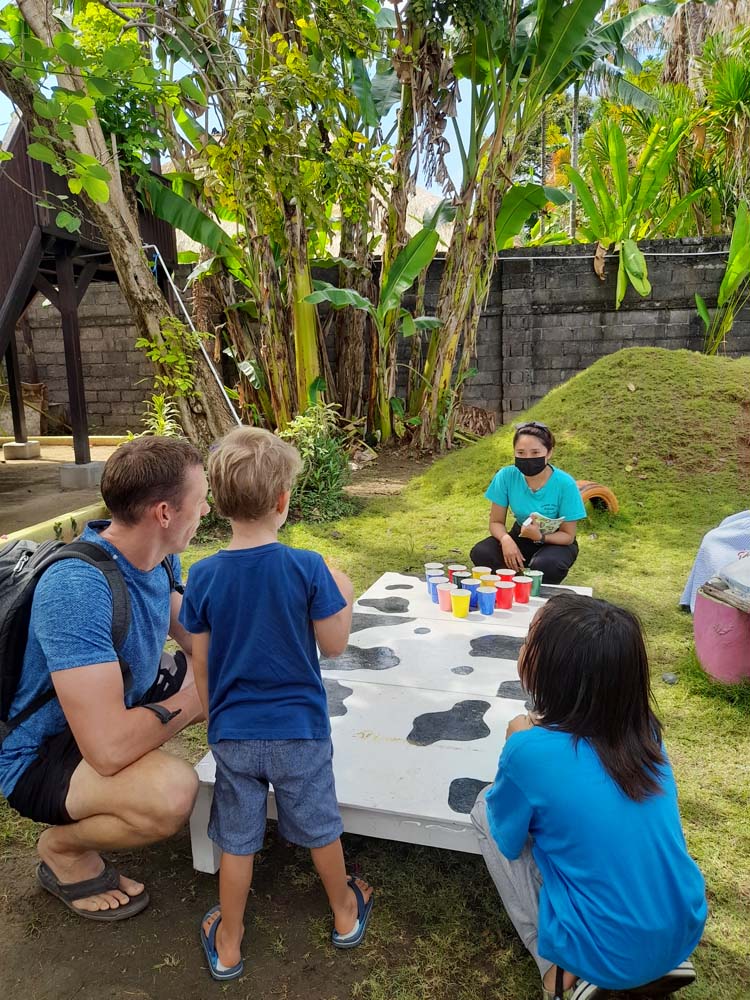
Fun market without fun games is not fun
Primary children prepared small craft to be sell at the event
The children are tasked with preparing orders with the assistance of their teachers.
We invited the Bali Smile Foundation to liven up our event
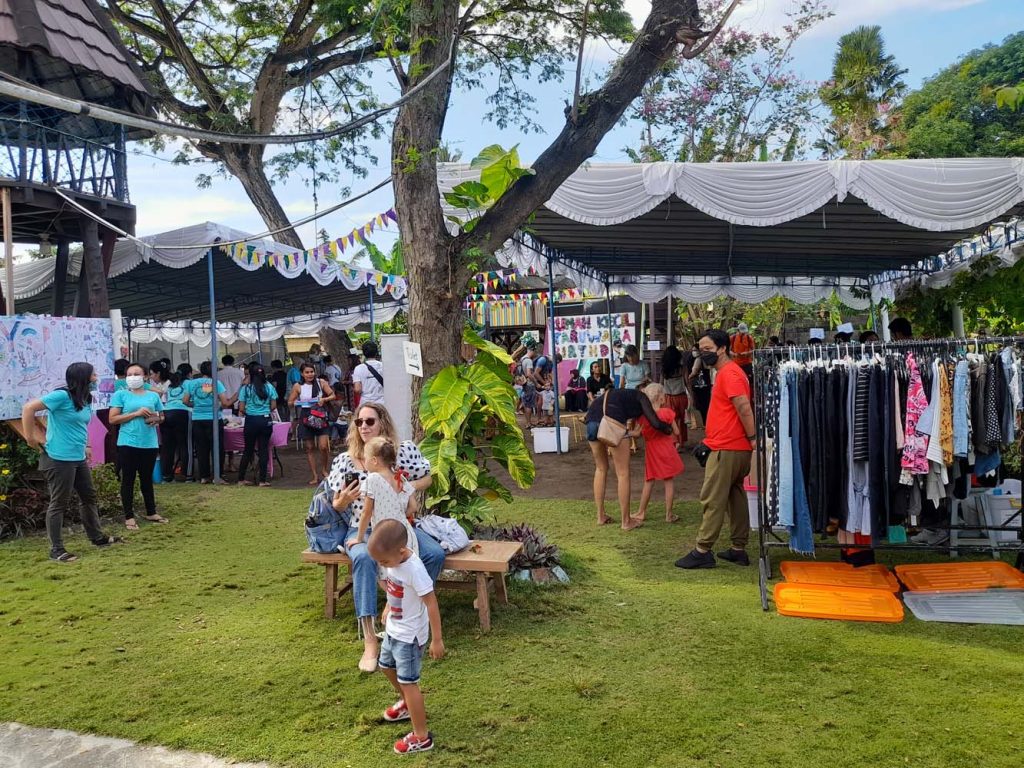
Fun Market vibes
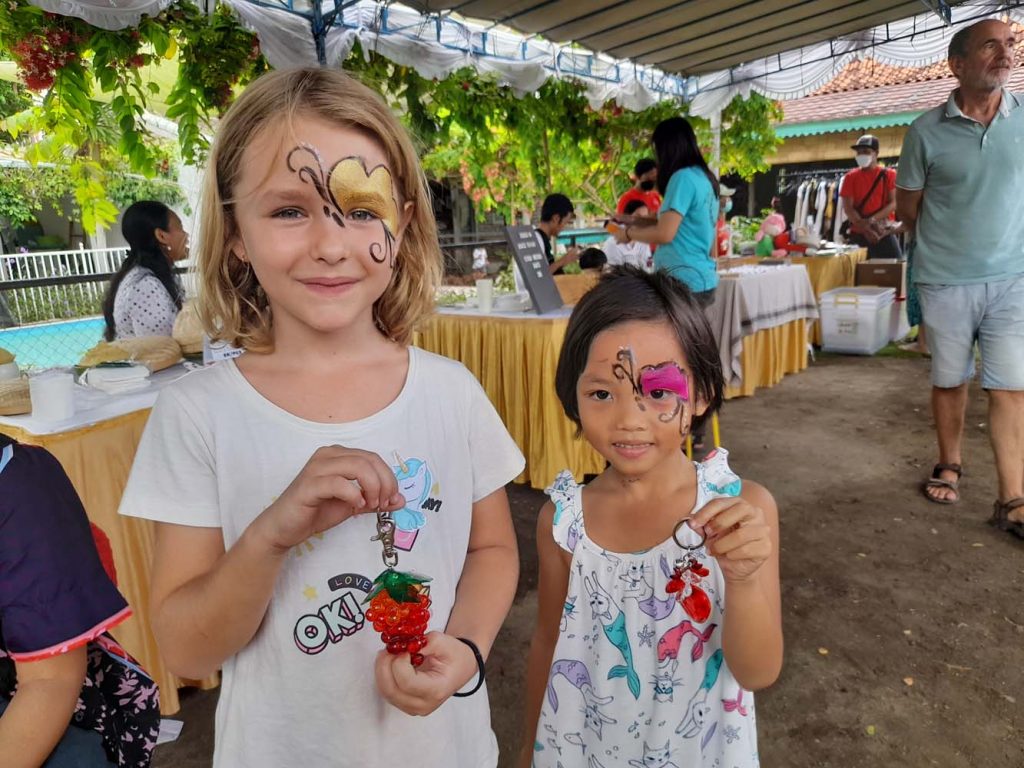
We also had face painting stand
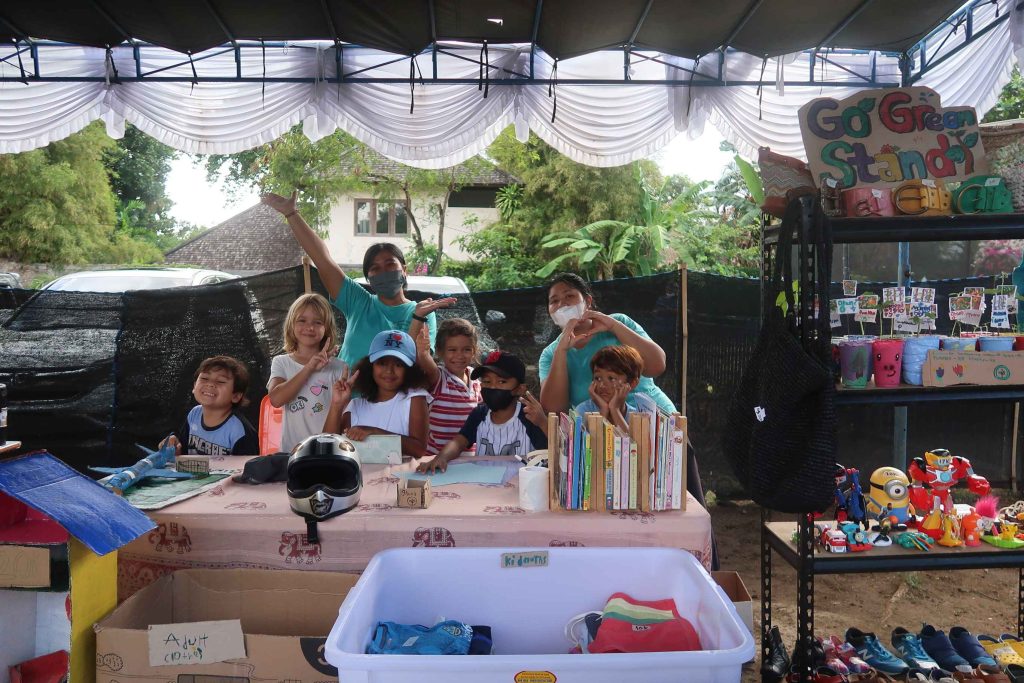
Green stand’s team
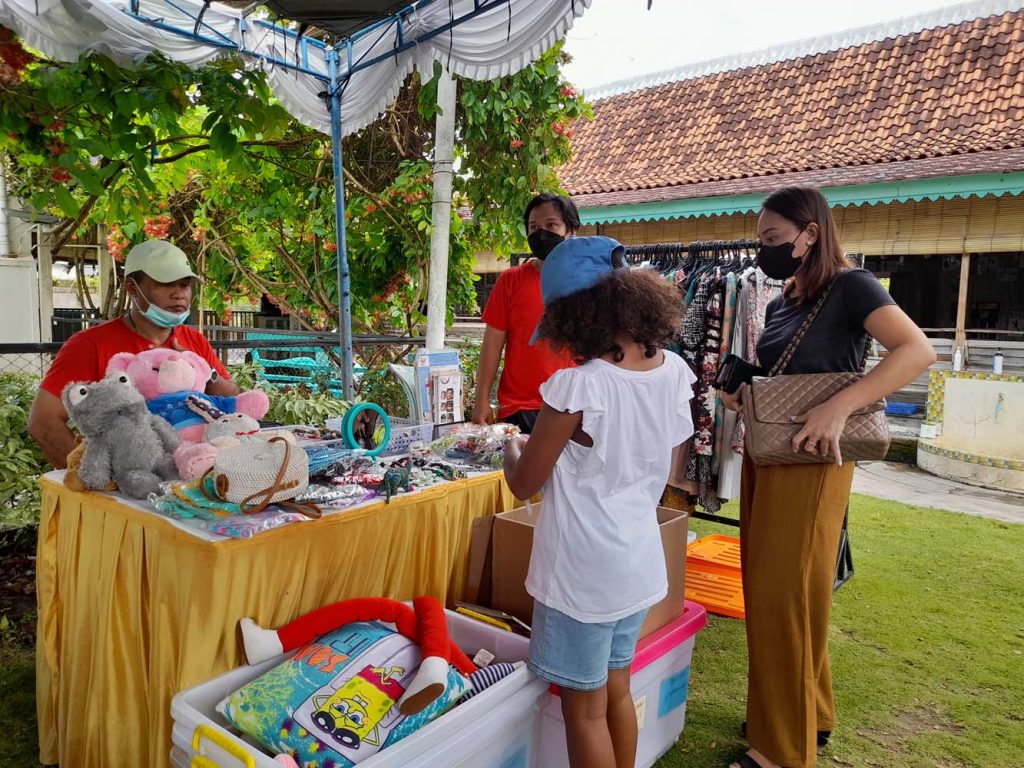
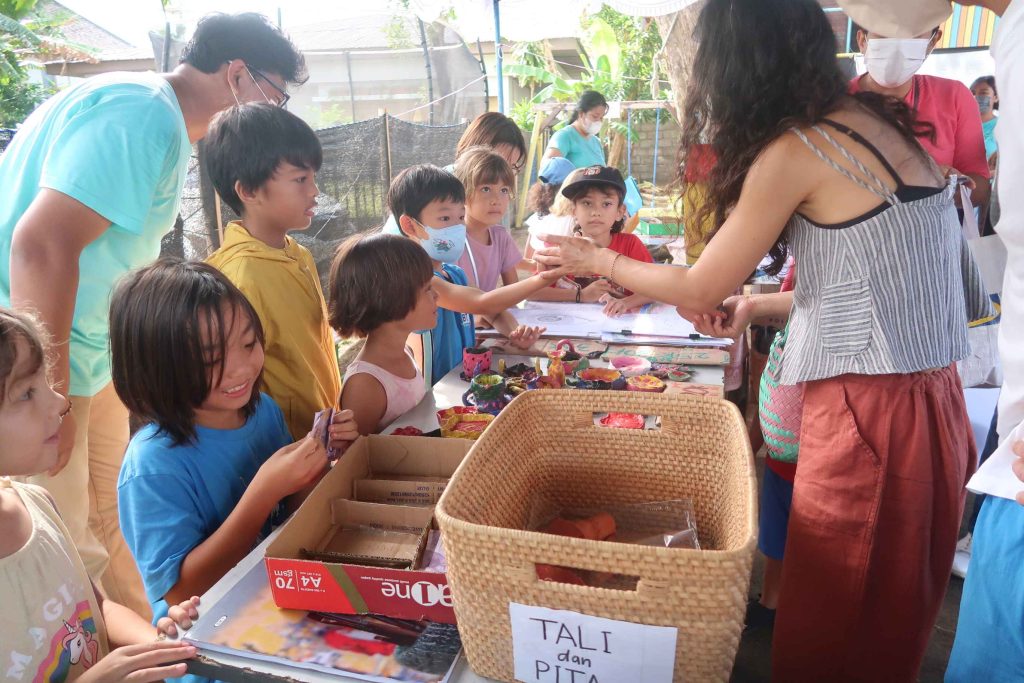
Parents bought something from art & craft stand
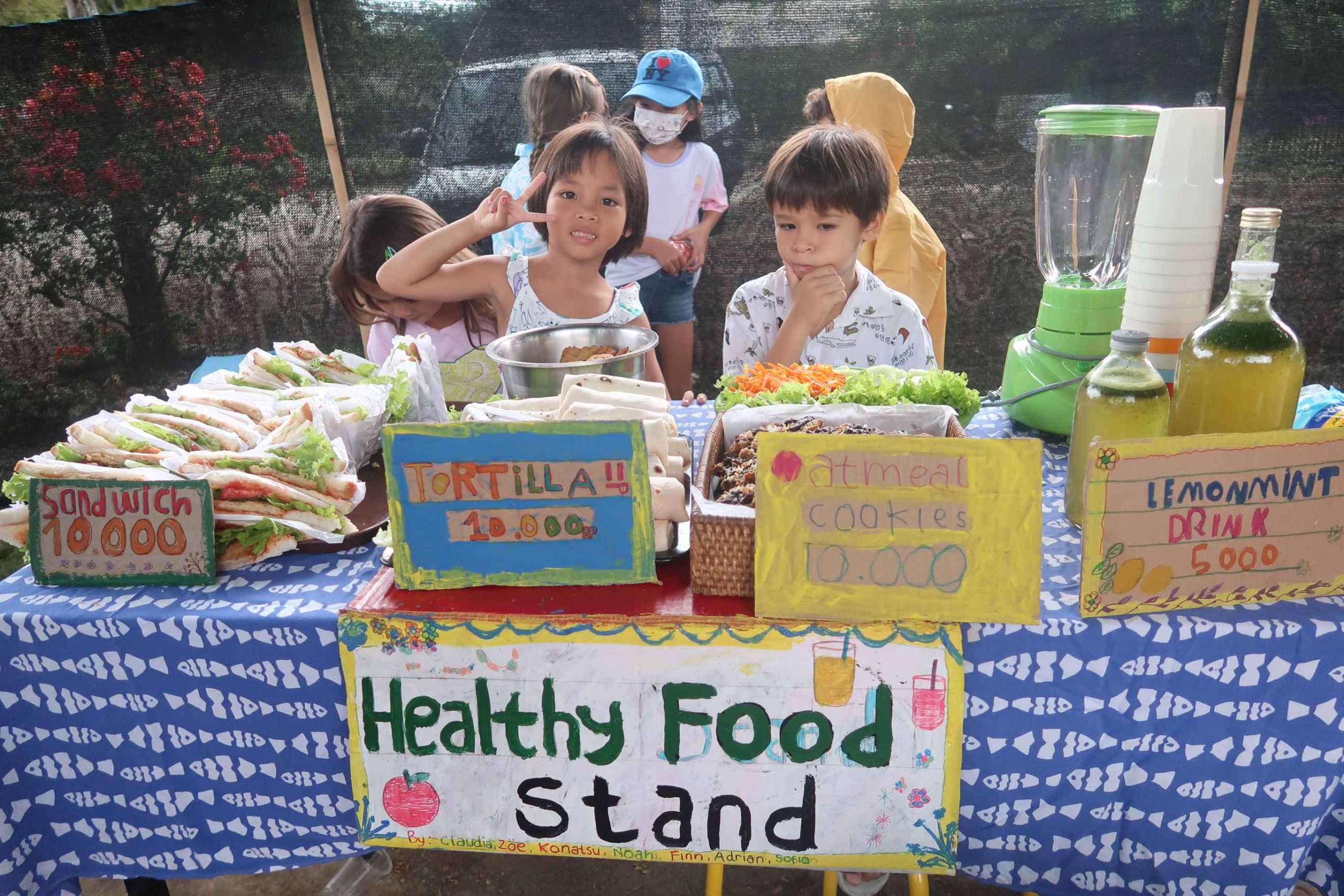
Healthy Food stand’s team

More To Read

Egg Incubator
Project Student 03 Apr 2023

Egg Incubator

Background One day, Miss Ima found an egg laying on the carpet inside the classroom, and she moved the egg to the top of the cupboard. In the afternoon, Micol found the egg and asked “Where did you get the egg miss?” and Miss Ima told Micol where she found them. A few days after that, Miss Ima found another egg on the carpet and moved it to the cupboard. Not long after that, Micol found a couple of eggs inside the cupboard and she came up with an idea “Miss, why don’t we make an incubator for these eggs?”. Miss Ima agreed to the idea and shared the idea with the others. The discussion started with a question “Who likes animals?” and all students raised their hands up. During the discussion, they also try to find out how to make an egg incubator and how to take care of an egg until it hatched. We were using the internet as our source of information. The discussion happened for another couple of days, we also asked students to discuss this project with their parents. After we have gathered all the information, try to make the incubator and calendar in the class. We use the incubator to lay the eggs and warm them until they hatch. Inside we have rice husks, some cloth, water inside a bowl to keep the humidity balanced, and a fluorescent lamp (20 watts). Other than the incubator, students also made a calendar as a reminder of the days, because based on the information they found, it took 21 days for the egg to hatch. After the incubator is done, all students are asked to take care of and be responsible for the eggs. Based on the information they got, they are supposed to rotate the eggs 90 degrees 3 times a day, in order to give an even warmth on all surfaces, so the embryos can grow healthily. Based on the egg needs, students came up with a duty schedule to share the responsibility together. This project was their second project. The first project was not successful, because the egg didn’t get enough warmth, they were using a 5-watt lamp. Another thing that played a part in the failure was they moved the egg around during checking time and moved it to the darker side inside the box. Learning Resources Internet           : Tutorial on how to make an egg incubator, How to make a good egg incubator Resources       : Teachers, Parents, Poultry Expert (Bali Bird Park Team)           Learning Orientation Student-oriented learning. In this project, students are directed to become subjects and objects that they learn from the egg incubator project. Children are encouraged to think critically about the problem they face and find solutions to problems during the process. The teacher’s role in this project is as a facilitator and helps students get a real and authentic learning experience. Learning is considered and adapted to previous experiences and students’ intellect because each student has different learning experiences and potential. Research Stages a.      Research on how to make a good egg incubator. b.      Research about how long it takes for an egg to hatch. c.      Research on how to treat eggs properly. d.      Prepare the tools and materials needed to make an incubator. e.      Make the incubator and calendar as reminded. f.        Routine inspection. Documentation Documentation activities are carried out by the teacher at each stage of the activities carried out by students starting from the preparation stage, making the incubator, to the routine inspection stage which is carried out entirely by students with assistance from the teacher. Discussion about egg Prepared the necessary electricity and lighting for the egg incubator The children prepared some husk and placed the eggs inside it to keep them warm The students listened carefully to the teacher's instructions The process of making an incubator Learning more about an egg before we start the project Decorated the incubator Children took turns on duty to check the eggs The students placed the eggs in the incubator.

Celebrating Indonesian Culture on Output Day: The Beautiful Indonesia Group at Taruwara Primary School
Project Student 19 Jun 2024

Celebrating Indonesian Culture on Output Day: The Beautiful Indonesia Group at Taruwara Primary School

On a vibrant Output Day at Taruwara Primary School, the campus was buzzing with excitement as students and parents gathered to celebrate the culmination of weeks of hard work. This special day is an exhibition where our students showcase their projects, reflecting the diverse and immersive learning experiences they’ve engaged in throughout the term. This year, one of the standout groups was the Beautiful Indonesia Group, dedicated to celebrating and sharing the rich heritage of Indonesian traditional games. Under the enthusiastic guidance of Ms. Ima and assisted by Pak Alex, the Beautiful Indonesia Group embarked on a 13-week journey to explore, create, and present three traditional Indonesian games: “kite making”, “bakiak”, and “congklak”. These games were carefully chosen not just for their cultural significance but also for their educational value and the joy they bring to children. The process began with introducing the students to these games and gathering their feedback. This collaborative approach ensured that the students were not only participants but also contributors to the project’s direction. Kite Making Workshop: Engaging Parents and Students Alike One of the highlights of Output Day was the kite-making workshop, which was open to all guests, including parents from Taruwara and Rumah Kecil. Kite making was selected because it is a relatively simple and quick process that the students had mastered over the weeks. The workshop was a hands-on activity where participants could construct their own kites using basic materials such as bamboo sticks, paper, and string. The simplicity of the kite-making process allowed students to confidently lead and instruct, demonstrating their newly acquired skills and knowledge. This activity not only connected the students with a beloved childhood pastime but also provided an opportunity to apply principles from their Math and Social Studies classes, such as geometry in kite design and understanding the cultural significance of kites in Indonesian festivals. Exhibiting Bakiak and Congklak: Showcasing Creativity and Collaboration In addition to the kite-making workshop, the students showcased two other traditional games: bakiak and congklak. The preparation for these games involved a lot of creativity and teamwork. Bakiak, a traditional Indonesian game that involves teams walking in unison on wooden clogs, was enhanced with a suggestion from a student, Adrian, to cover the clogs with fabric for better comfort and visual appeal. This idea not only improved the design but also demonstrated how student input was valued and integrated into the project. For the congklak game, the students crafted boards using sustainable materials, reflecting the school’s commitment to eco-friendly practices. The preparation for this game took place in the weeks leading up to Output Day, allowing ample time for the students to refine their work and ensure that their creations were both functional and aesthetically pleasing. These exhibitions provided a platform for students to share their cultural heritage and the skills they developed, from crafting to strategic thinking involved in playing congklak. Conclusion: A Celebration of Culture and Learning Output Day at Taruwara Primary School was a resounding success, especially for the Beautiful Indonesia Group. Through their dedication to showcasing traditional games, the students not only deepened their understanding of Indonesian culture but also honed essential skills in collaboration, creativity, and problem-solving. The kite-making workshop and the exhibits of bakiak and congklak were more than just displays; they were embodiments of the students’ hard work, passion, and the supportive learning environment at Taruwara. As we reflect on this day, we celebrate the rich tapestry of learning that connects our students to their heritage and to each other. Dante, Martina, and Charlie explained how we can play with the congklak Ms. Ima led the kite making workshop Our guests played congklak for the first time The eager faces in line can't wait to try our handmade bakiak

Green Class Community Service: Caring for Street Dogs
Project Student 04 Dec 2024

Green Class Community Service: Caring for Street Dogs

At Taruwara Primary, our Green Class focuses on sustainability and environmental awareness, aligned with our school’s holistic approach to nurturing responsible global citizens. Recently, the students took on a heartwarming community service project, extending their learning beyond the classroom to make a meaningful difference in their local surroundings. The project aimed to care for the street dogs in the neighborhood surrounding our school. Together, the students created water filters using recycled gallon bottles, an innovative way to ensure clean water for the animals. They also prepared dog food, learning about proper nutrition for animals. Armed with their supplies and a lot of enthusiasm, the children ventured out to meet the street dogs along the school streets, offering them food and fresh water. This hands-on activity not only demonstrated compassion but also connected the children with the environment and living beings around them. This initiative reflects the spirit of Green Class, emphasizing the importance of sustainability and social responsibility. By taking part in such meaningful activities, our students are encouraged to develop empathy and awareness of their surroundings. We hope this project inspires ongoing efforts and fosters a lasting commitment to caring for the community and the environment. With continued dedication and consistency, we believe these small but impactful actions can create ripples of positive change—both within our school and beyond.