Summer Camp Taruwara—Weeks of Endless Creativity and Unforgettable Moment

Ask any child who has been to one of our holiday camps what they remember most, and you’ll get a different answer every time. One will tell you about the moment their clay bowl actually held water. Another will describe the exact shade of orange they mixed themselves. Someone else will say it was the campfire — the songs, the smell of smoke, the stars. And a few might just say, “I made a really good friend.”

That variety is exactly the point. At Taruwara, our holiday camp runs every term break and semester break throughout the year, and no two camps are ever the same. Each one comes with a fresh theme, a new set of activities, and a whole lot of room for something unexpected and wonderful to happen.

A little bit of everything—on purpose

Our holiday camp is open to children from toddler age all the way through primary school, so when we plan each camp, we think carefully about what makes a week truly worthwhile for a child — not just fun in the moment, but something they carry with them. Every activity is designed to be engaging and hands-on, but there’s always something quietly being learnt: patience, creativity, curiosity, confidence, the ability to try something new without being afraid to get it wrong. Over the years, we’ve covered a wide range of themes. Here’s a little taste of what camp life at Taruwara can look like:
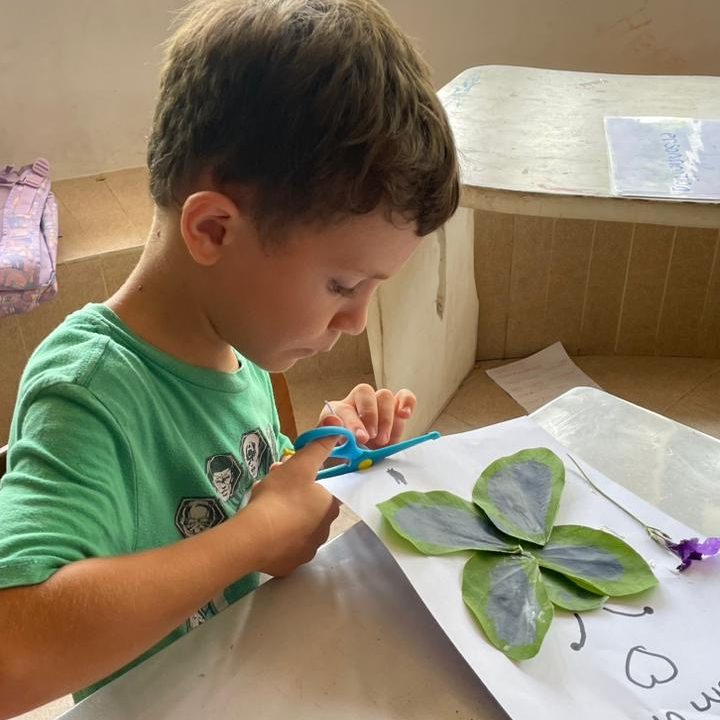
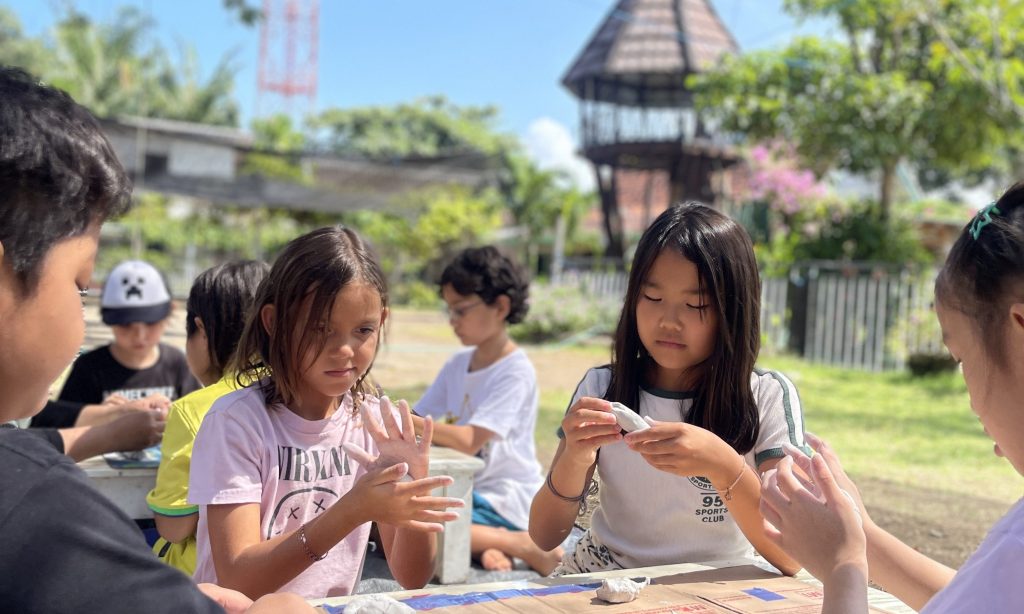
Art & craft

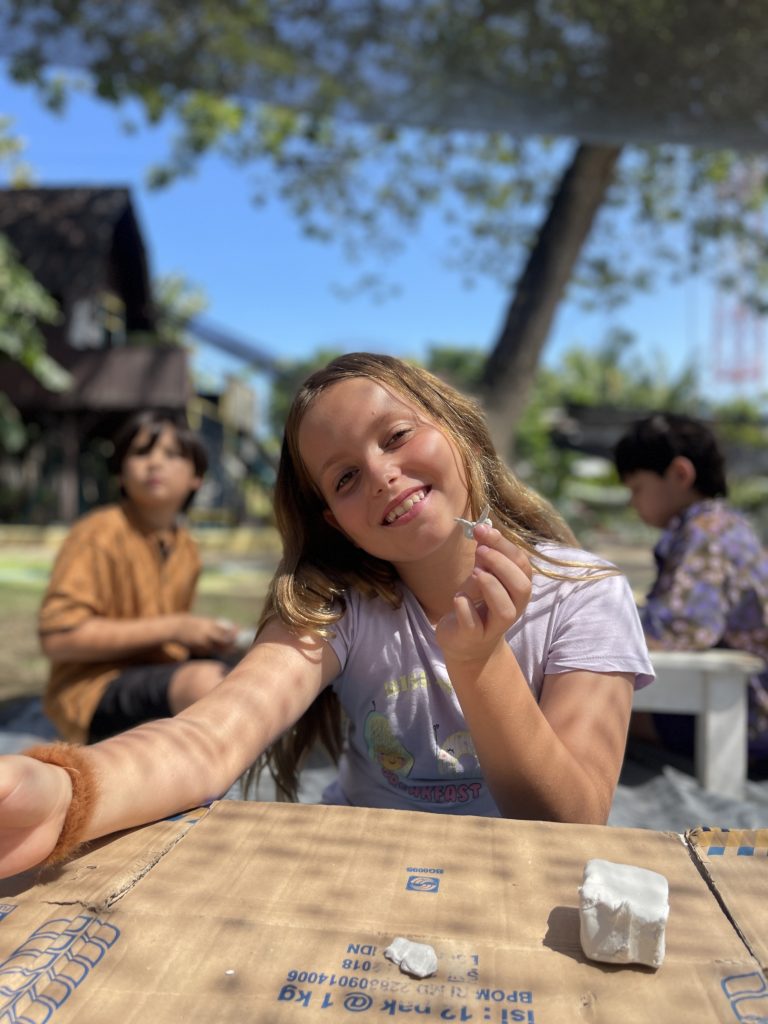
Painting, clay, collage, origami, and fashion design — getting creative with whatever materials the theme calls for.

Science experiments

Mixing, measuring, watching things bubble and change — science that feels more like magic than a lesson.

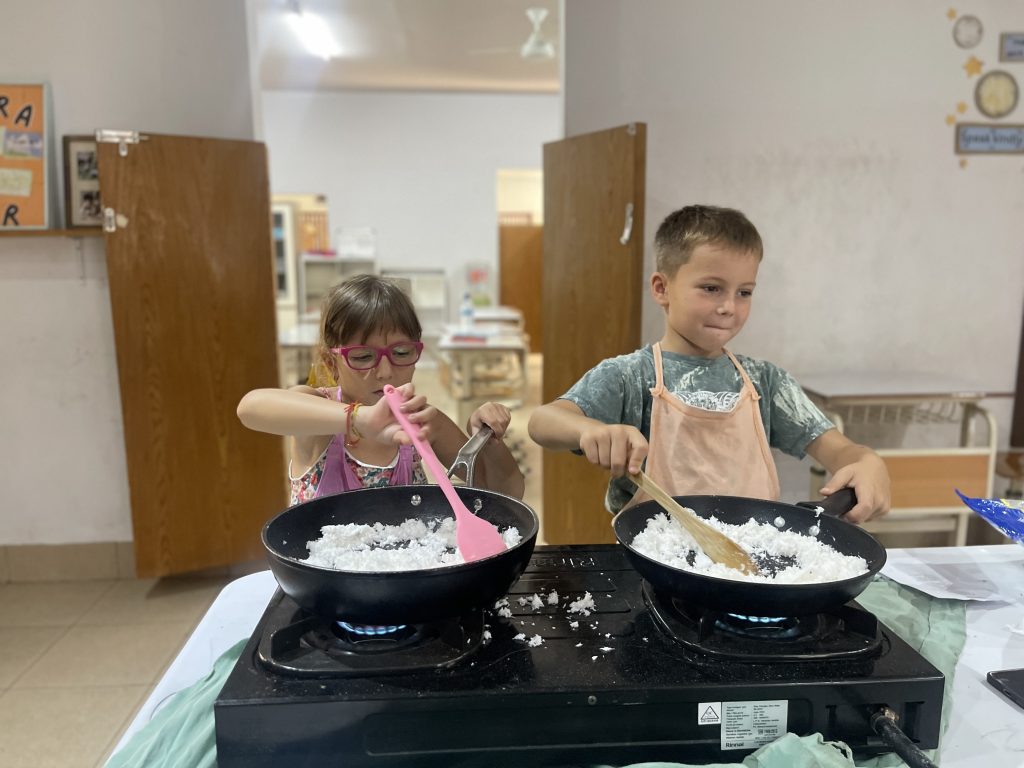
Cooking class

Little hands in the kitchen, learning to follow a recipe, and the joy of eating something you made yourself.

Coding & tech

For primary students, fun introductions to coding through games, puzzles, and creative digital challenges.

Give back, get out!

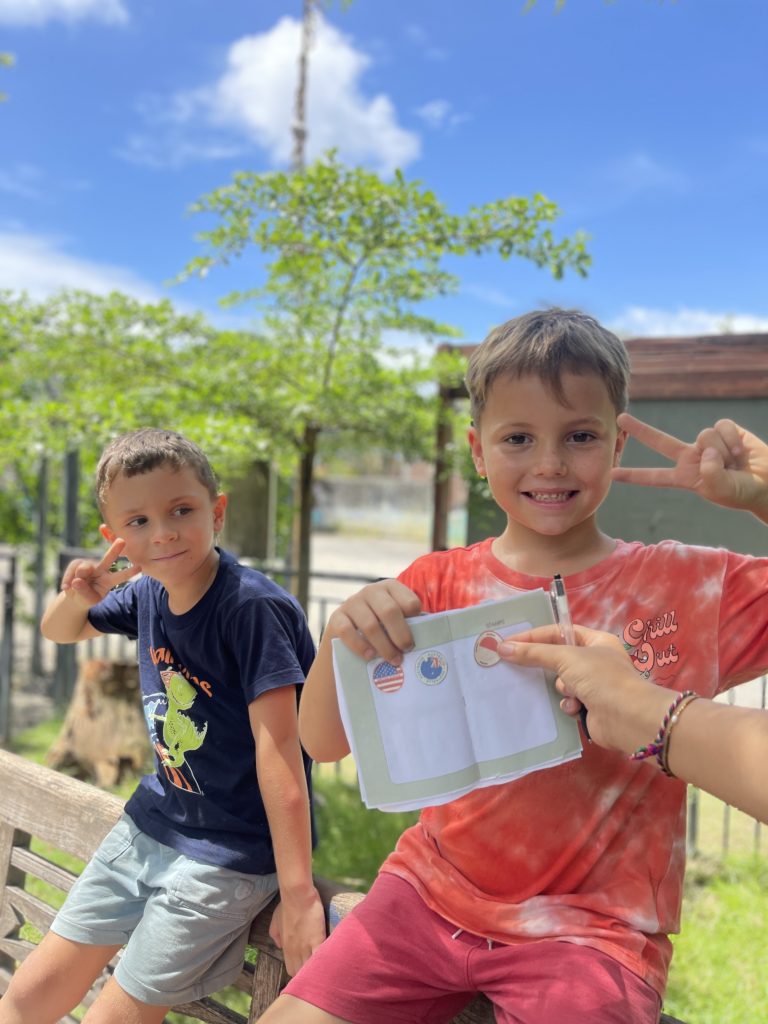
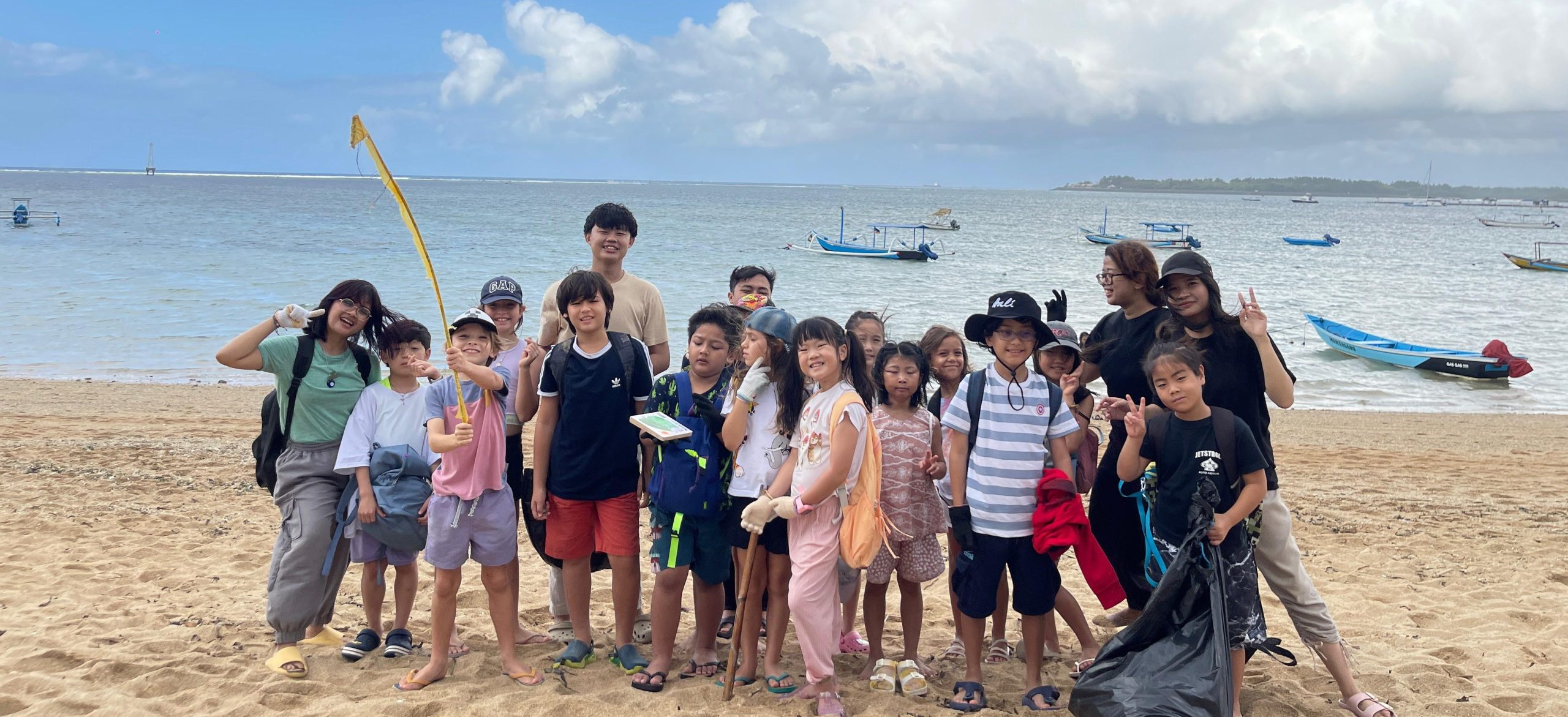
Getting out into the community, caring for the environment, and understanding why it matters.

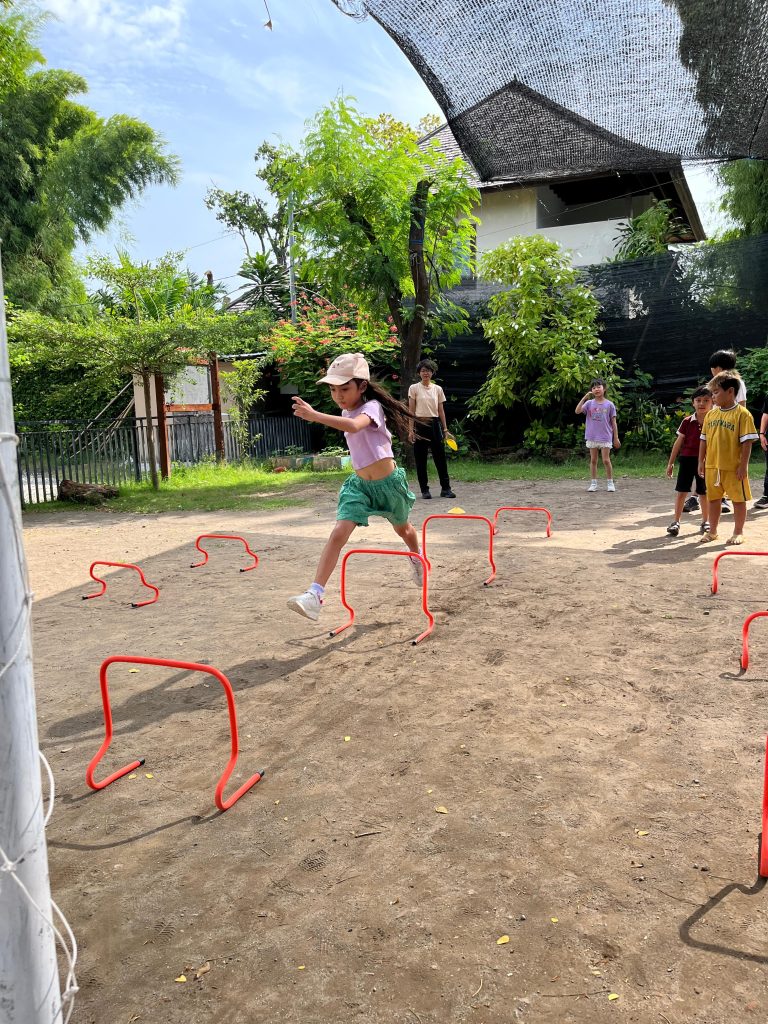
Active & outdoors

Fun PE activities and games out in our school yard — exploring nature, moving together, and burning off some energy along the way.
We also love tying camp activities to special days on the calendar. Camps that fall around Nyepi celebrated with an ogoh-ogoh parade and other activities that also explored the meaning of stillness and gratitude. Christmas camps fill up with festive crafts, giving, and a generous dose of silly fun. Every cultural moment is an opportunity for children to learn something about the world they live in.

The yard, the friendships, the freedom

One thing that makes camp at Taruwara a little different is the space itself. Our large outdoor yard becomes the heart of camp life — a place where children run, play, breathe, and simply be kids. There’s something about open space that loosens children up. Walls come down. A child who’s shy in the classroom suddenly finds themselves in the middle of a game, laughing with someone they just met.

And that happens a lot. Camp brings together children from different backgrounds, different ages, different everything — and somehow, within a day or two, they’re inseparable. We’ve seen toddlers shadow older students like little shadows. We’ve seen primary kids take younger ones under their wing without being asked. Friendships form here that sometimes last well beyond the school year.

“Every camp, the memorable moment is different. But there’s always one. There’s always a moment you didn’t plan for that ends up being the best part of the week.”

March 2026: when the camp became an art gallery

Our most recent camp, held on 23–27 March, was themed around art and craft, and it was every bit as colorful as it sounds. Students spent the week mixing paints, drawing the school landscape, hunting for natural materials, sculpting clay, folding origami, and on Thursday, designing and parading their own paper costumes in a full Fashion Show that had everyone cheering.

By Friday afternoon, the school looked like a proper gallery. Every surface had something on it: clay pieces with careful painted details, nature collages, landscape paintings, origami figures. The children didn’t want to leave — which is always a good sign.

Whether it’s a week of cooking, a day out in the community, an afternoon of outdoor games in our yard, or five days of paint and clay, what stays the same every single camp is the intention behind it. We want children to arrive curious and leave with something new: a skill, a memory, a friend, or simply the knowledge that trying new things is always worth it.

Coming up next

Summer Holiday Camp 2026

Starting on 23 June 2026

A new theme, new activities, and the same great energy. We’ll be sharing more details soon — keep an on the school newsletter or ask at the front office. If your child has been asking about camp, this is the one not to miss.
More To Read

Bazaar “Fun Market” Project
Project Student 18 Apr 2023

Bazaar “Fun Market” Project

We start the first term of the Academic Year 2022-2023 by having projects inspired by students. The project itself is inspired by students playing house with cardboard and teachers pick up on that and expand the ideas for year-long projects. We decided to do camping and related this project to our school events and subjects. Hence the Bazaar Project, our school has its birthday in September and we start planning to contribute to the bazaar event by selling some stuff in order to raise some money for the camping. For the bazaar, students were divided into 3 different groups that will prepare their own stands. The groups are green stands, healthy food stands, and art stands. Students were doing mind maps from the beginning, so they know the connection between each subject and why they need to learn certain topics. Students were really involved from the beginning, during preparation, and on the day. They had a lot of discussions and made decisions themselves. We see a lot of beautiful collaboration between students during preparation and they work their hardest to make this event go smoothly.  Before the bazaar, students learned about measurement, time, and money. These topics are to equip students during the bazaar since some of them are in charge of being the cashier. In Science class, students learned about hygiene and healthy food. Students learned about it and built the menu themselves for the healthy food stand. In Art class, students had the chance to make something from clay and some made some drawings. Overall, students were very involved and excited to have the bazaar. We have had great support from parents during this event and almost everyone participates. For the Green stand, we had a big donation from one of our parents and it is one of the most successful stands. At the end of the bazaar, all stands were able to collect almost Rp. 3.000.000 to support our camping project. Students were really happy with the experience and they worked really hard to count the money themselves.  Next, we are going to prepare for our Camping project. Students may divide into 3 different groups according to the 5 main subjects we have, such as English, Science, Math, Art, and Thematic. They will learn all the necessary topics to support them during camping. We are excited to create great memories on our school grounds through this camping project! Stay tuned for our next project! Documentation: Fun market without fun games is not fun Primary children prepared small craft to be sell at the event The children are tasked with preparing orders with the assistance of their teachers. We invited the Bali Smile Foundation to liven up our event Fun Market vibes We also had face painting stand Green stand's team Parents bought something from art & craft stand Healthy Food stand's team

Building The Joy of Reading and Writing at Taruwara
General News 22 Oct 2025

Building The Joy of Reading and Writing at Taruwara

Sometimes, all it takes is one good book to start a new habit. 📚✨ At Taruwara, we believe that reading and writing are more than just academic skills — they are the foundation for lifelong learning. From an early age, we encourage our students to see reading not as a task, but as an adventure that opens their imagination, strengthens their focus, and builds empathy through stories. For young learners, developing these skills early helps them express their thoughts more clearly, understand others’ perspectives, and grow confident in communicating their ideas. That’s why we continuously create meaningful opportunities for children to read, write, and reflect in ways that feel enjoyable and personal. 🌱 This semester, our Primary 3–4 students began a small reading challenge, to finish 40 books in one month. What started as a simple goal soon became an exciting surprise: together, they reached 50 books! 📖✨ Every morning, students spend time reading books of their choice. Afterward, they write short reflections or reviews to share their thoughts, feelings, and favorite parts of the stories. This routine helps them slow down, think deeply, and express themselves in writing, turning reading into a joyful habit rather than a duty. Teachers observed how this activity not only improved students’ reading comprehension and writing fluency but also changed their attitude toward learning. Many children now pick up books on their own, curious about new stories and eager to talk about what they’ve read. “At first, we simply wanted to help students improve their literacy skills,” one teacher shared. “But what touched us most was seeing how reading became something they truly look forward to. They now talk about books with excitement — and that’s when we know the love for learning has begun.” 💚 Through consistent practice, students are building self-discipline, critical thinking, and a genuine love for learning, values we hope they’ll carry far beyond the classroom. 💚 At Taruwara, our goal is to help every child grow into a confident, curious, and thoughtful learner. Because when children discover the joy of reading and writing, they don’t just learn, they transform. 🌿 How do you encourage reading time at home?We’d love to hear your ideas and experiences! Share your tips in the comments below 👇

Building Independence: Life Skills Classes at Taruwara Primary
UncategorisedGeneral News 20 Aug 2025

Building Independence: Life Skills Classes at Taruwara Primary

"Life Skills Classes at Taruwara Primary are not about chores—they are about growth. They prepare children to face real-life situations with resilience, creativity, and confidence." At Taruwara Primary, we believe education should prepare children not only for academic success but also for everyday life. That’s why we introduced Life Skills Classes for our upper primary students—a special program where children learn practical, hands-on lessons that will help them grow into responsible, independent, and confident individuals. Many parents may remember the first time they washed a car, ironed their clothes, or managed their own shopping. These seemingly simple experiences actually stay with us, teaching discipline, care, and responsibility. Through Life Skills, we want our students to have the same opportunities, guided carefully in a supportive and fun learning environment. Ironing Clothes with Confidence Ironing is often considered an adult responsibility, but our students are excited to give it a try. With guidance from teachers, they learn how to handle the iron safely, smooth out wrinkles, and take their time to do the job well. The sense of satisfaction on their faces when they see neatly pressed clothes is priceless. Beyond the technical skill, ironing teaches patience, precision, and the importance of presentation. Washing Vehicles with Care Another day, the students head outside to wash vehicles. Buckets, sponges, and soap turn into tools of teamwork. Children quickly learn that washing a vehicle is more than just splashing water—it requires attention to detail and patience. This activity also sparks conversations about taking care of belongings and the effort that goes into maintaining things we use every day. It’s a fun, physical task that leaves students smiling at their shiny finished work. Shopping at the Bookstore Life Skills aren’t limited to chores at home or school. Our students also experience the real-world practice of shopping, such as visiting a bookstore with a budget in hand. For many, this is the first time they’ve had to make choices on what to buy while considering both needs and wants. They learn how to interact politely with shopkeepers, calculate costs, and make responsible decisions. The joy of leaving the store with a book they’ve chosen themselves is a bonus that strengthens both confidence and independence. Learning to Clean the Sink and Kitchen One of the first lessons takes place in the kitchen, where students practice cleaning the sink and keeping the area tidy. At first, some students giggle as they put on gloves and get ready to scrub, but soon they realize it’s not just about cleaning. It’s about taking pride in maintaining a space where everyone can work and feel comfortable. By learning this, children develop habits of hygiene, orderliness, and respect for shared environments. The Bigger Picture: Why Life Skills Matter Through these experiences, we want our students to realize that life is full of small responsibilities that matter. Cleaning, washing, ironing, and shopping might look simple, but they are stepping stones toward independence. More importantly, these activities teach values: caring for shared spaces, respecting belongings, managing money wisely, and feeling proud of a job well done. Life Skills Classes at Taruwara Primary are not about chores—they are about growth. They prepare children to face real-life situations with resilience, creativity, and confidence. Our hope is that, through these lessons, students not only gain practical knowledge but also carry with them the deeper understanding that independence and responsibility are keys to shaping a meaningful life. A Shared Journey with Parents We believe these lessons become even more powerful when reinforced at home. Parents can encourage their children to practice simple daily tasks, celebrate their efforts, and give them opportunities to take on small responsibilities. Together, school and family can nurture children who are not only academically capable, but also independent, caring, and ready for the future.