Launching Creativity: Our Journey with Coding Projects for the Output Day

As a culmination of our coding class teachings, we’re excited to extend the impact of our projects to a wider audience. And what better platform than Output Day? Our goal is to make strides in creativity and gather valuable feedback for future improvements leading up to the event.

It’s been a journey filled with learning and growth for all team members. Each had the opportunity to delve into the technical complexities of building not one, but two projects. We navigated through various coding languages and software, overcoming challenges with determination and perseverance.

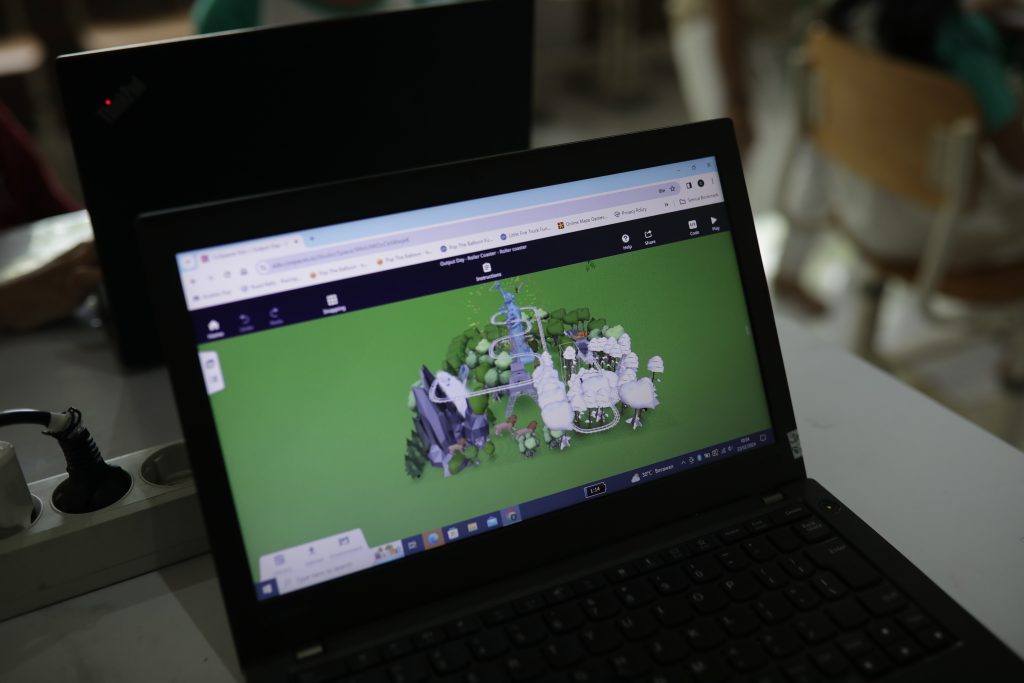
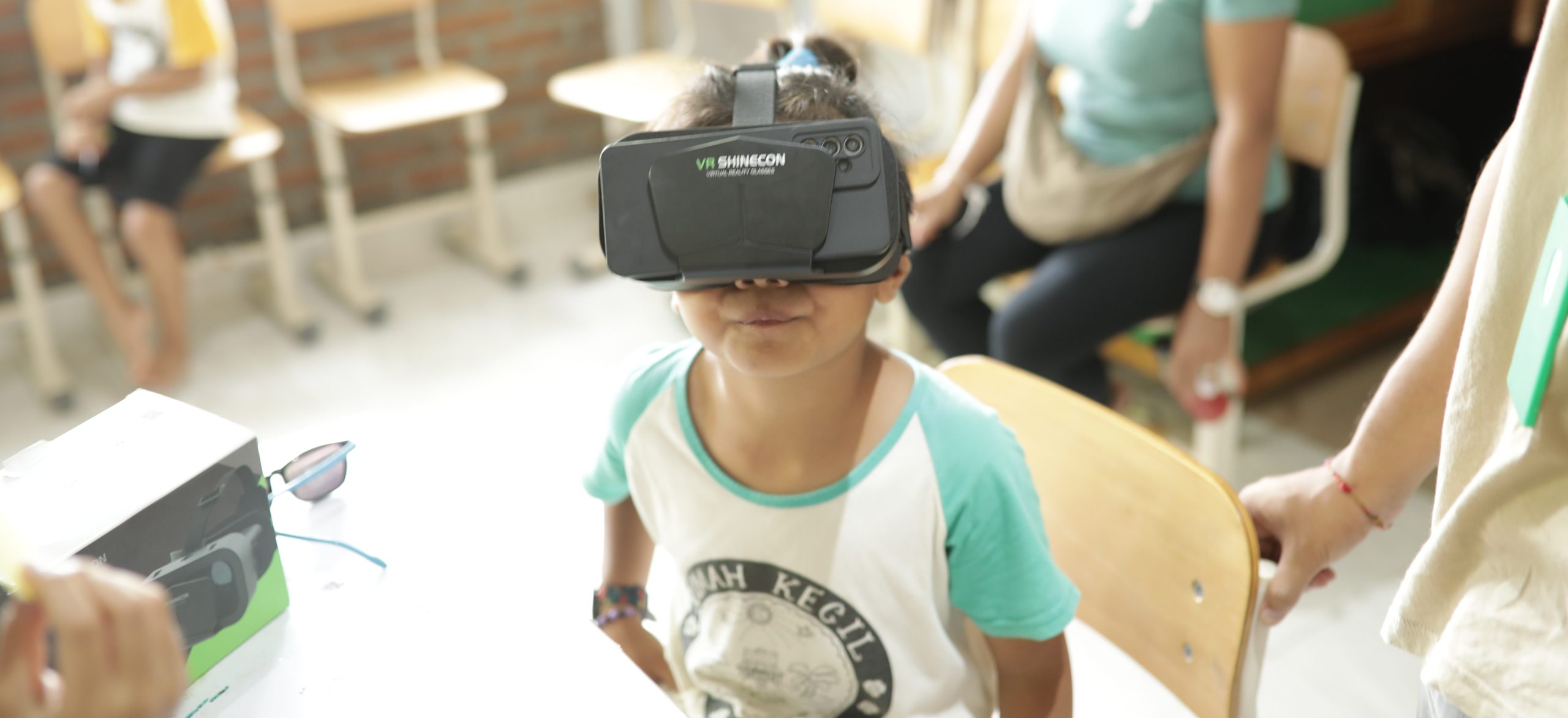
Our showcase features two thrilling projects: the “Rocket to The Moon Simulation” and the “Rollercoaster Simulation,” each with its own unique characteristics. In the Rocket Simulation, guests are immersed in a story that makes them feel part of the journey. Meanwhile, the Rollercoaster Simulation promises to evoke the exhilaration and fear of riding a rollercoaster.

Throughout the 13 weeks of preparation, we’ve experienced the joy of collaboration and creativity. With 80% of the projects developed by just four primary students, their ingenuity shines through every aspect. From brainstorming sessions to design iterations, witness how ideas transformed into immersive VR experiences. Guidance and final touches from our teachers, Pak Tude and Miss Giri, helped refine our creations.

Central to our success is the students’ involvement and commitment to teamwork. Samuel stepped up when needed, Kasy provided leadership, Charles offered valuable suggestions, and Haru’s creativity fueled the projects.

Ultimately, our aim is to ignite curiosity among our guests. For instance, the Rocket Simulation leaves them with unanswered questions, inviting them to ponder what’s next: “Hello Human! Welcome to the Moon… to be continued.”
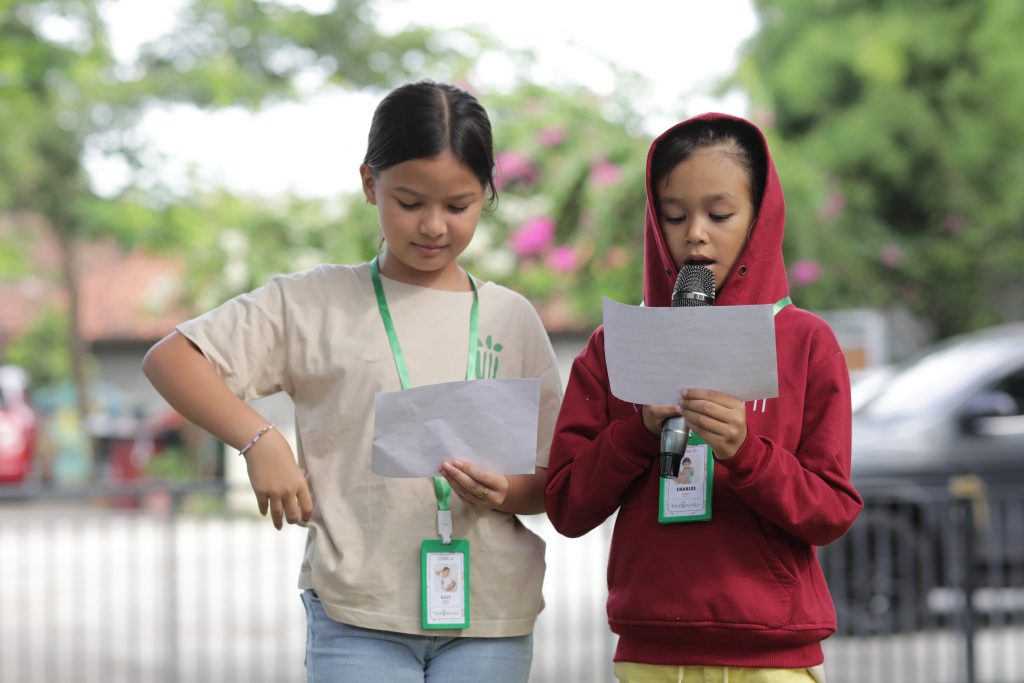
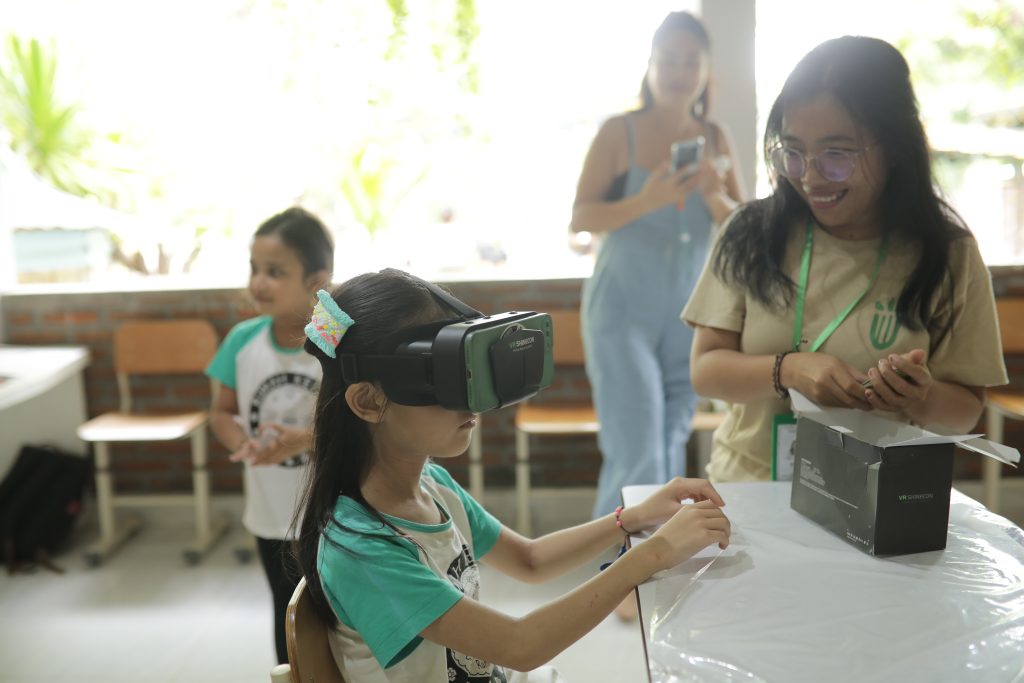
Kasy and Charles represent the Coding Group to present their project
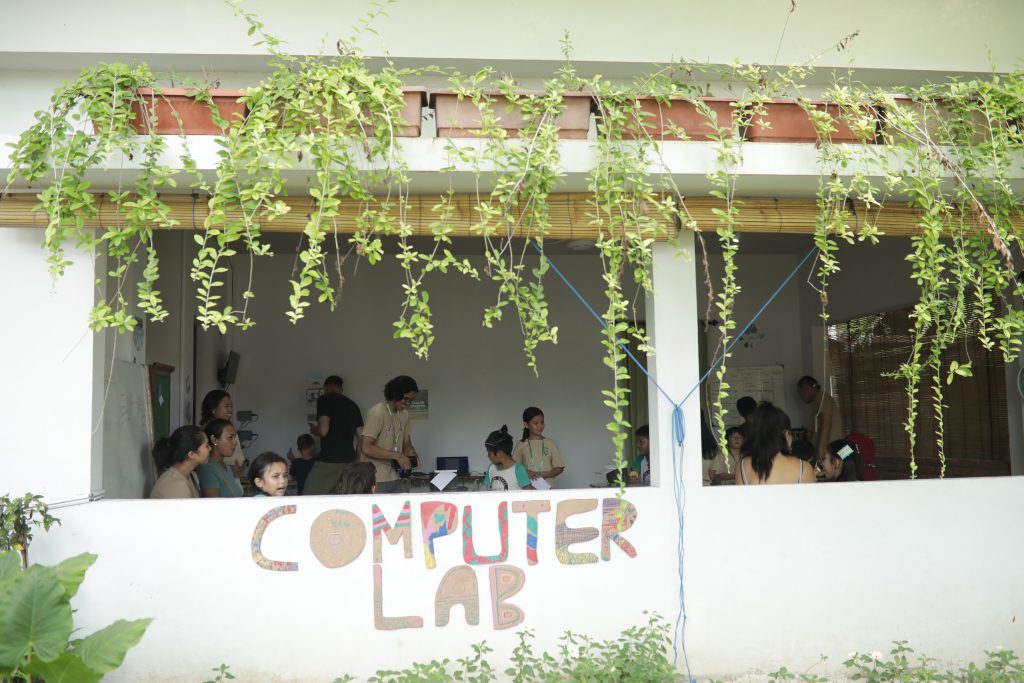
The queue in Coding & ICT Classroom, their base to showcase their two projects
Everyone is very excited to try our two simulation projects with VR
A sneak peek from our behind-the-scene of our two projects

More To Read

Building The Joy of Reading and Writing at Taruwara
General News • 22 Oct 2025

Building The Joy of Reading and Writing at Taruwara

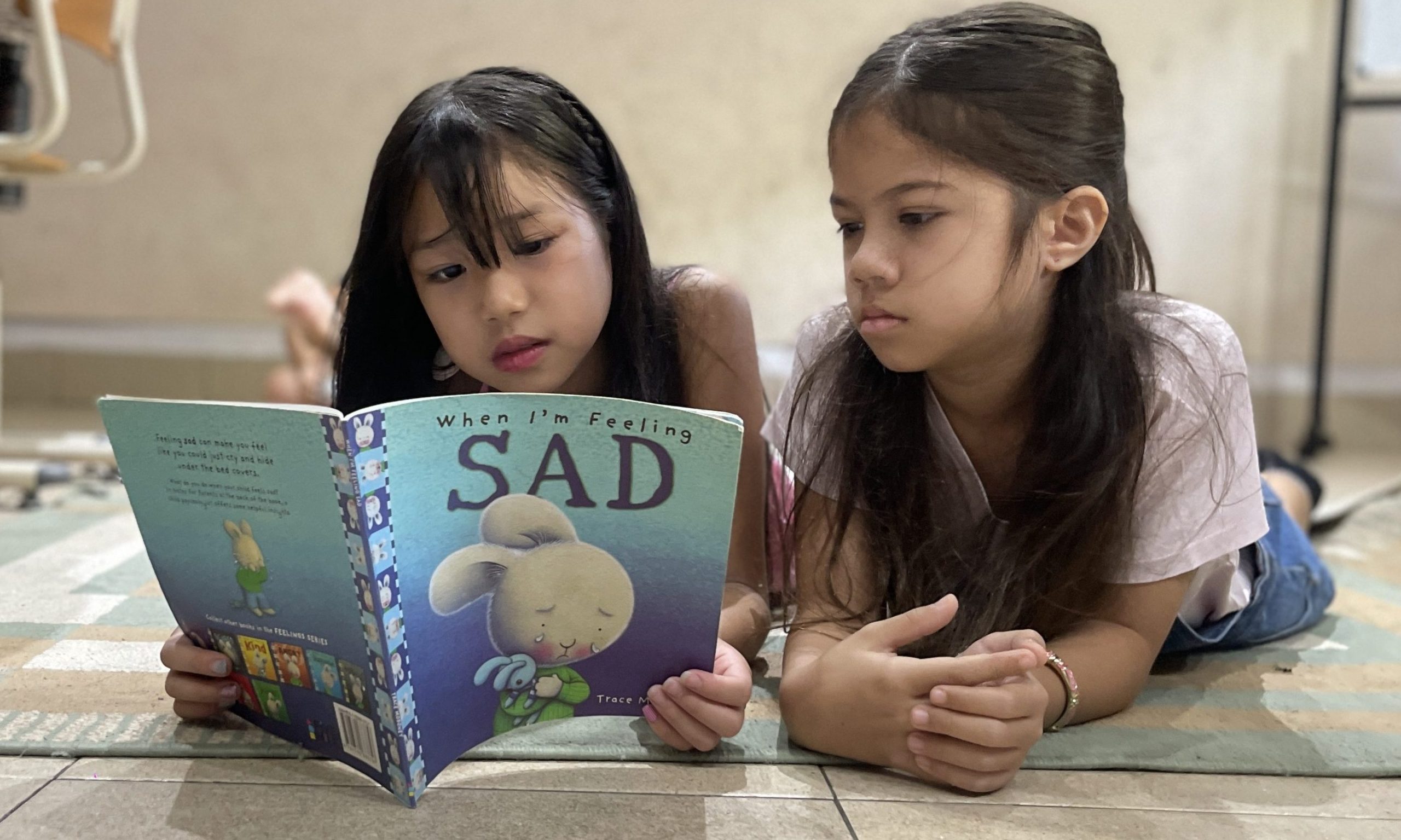
Sometimes, all it takes is one good book to start a new habit. 📚✨ At Taruwara, we believe that reading and writing are more than just academic skills — they are the foundation for lifelong learning. From an early age, we encourage our students to see reading not as a task, but as an adventure that opens their imagination, strengthens their focus, and builds empathy through stories. For young learners, developing these skills early helps them express their thoughts more clearly, understand others’ perspectives, and grow confident in communicating their ideas. That’s why we continuously create meaningful opportunities for children to read, write, and reflect in ways that feel enjoyable and personal. 🌱 This semester, our Primary 3–4 students began a small reading challenge, to finish 40 books in one month. What started as a simple goal soon became an exciting surprise: together, they reached 50 books! 📖✨ Every morning, students spend time reading books of their choice. Afterward, they write short reflections or reviews to share their thoughts, feelings, and favorite parts of the stories. This routine helps them slow down, think deeply, and express themselves in writing, turning reading into a joyful habit rather than a duty. Teachers observed how this activity not only improved students’ reading comprehension and writing fluency but also changed their attitude toward learning. Many children now pick up books on their own, curious about new stories and eager to talk about what they’ve read. “At first, we simply wanted to help students improve their literacy skills,” one teacher shared. “But what touched us most was seeing how reading became something they truly look forward to. They now talk about books with excitement — and that’s when we know the love for learning has begun.” 💚 Through consistent practice, students are building self-discipline, critical thinking, and a genuine love for learning, values we hope they’ll carry far beyond the classroom. 💚 At Taruwara, our goal is to help every child grow into a confident, curious, and thoughtful learner. Because when children discover the joy of reading and writing, they don’t just learn, they transform. 🌿 How do you encourage reading time at home?We’d love to hear your ideas and experiences! Share your tips in the comments below 👇

Output Day Event 2025 “Celebrating Knowledge Everywhere!”
General News • 26 Mar 2025

Output Day Event 2025 “Celebrating Knowledge Everywhere!”

"Everywhere—knowledge is everywhere!" On Friday, 28 February 2025, the campuses of Taruwara and Rumah Kecil were buzzing with excitement as students, parents, and teachers gathered for the much-anticipated Output Day Event 2025. This year, the event was themed “Knowledge is Everywhere”, reinforcing the idea that learning is not limited to classrooms but can be found anywhere and shared with anyone. More than just a student project showcase, Output Day aligned with key Sustainable Development Goals (SDGs):📚 SDG 4 - Quality Education: Promoting accessible and engaging learning experiences🏙️ SDG 11 - Sustainable Cities & Communities: Encouraging sustainable practices and social responsibility. A Day of Discovery, Engagement, and Growth From the moment families stepped in, curiosity and excitement filled the air. Parents actively engaged with their children’s projects, discovering how their young learners had transformed knowledge into real-world applications. One of the most standout moments of the event was watching students bravely take the stage—after weeks of preparation—to present their projects. Despite initial nerves, their confidence and public speaking skills had improved tremendously. And the fun fact of the day? The event’s MC was none other than Charles, a Primary student, who confidently led the program like a pro! 👏 Exploring Knowledge Through Interactive Booths The event featured a variety of interactive booths where Primary students showcased their projects, allowing younger students and parents to explore different fields of knowledge: 🔵 Turtle Habitat, Eco-Brick & Plastic Breakdown Challenge – Raising awareness about marine conservation and sustainability 🌊 Coral Reef Map – Exploring underwater ecosystems🎨 Comic, Light Paper Art & Poster Booth – A creative blend of storytelling and visual art 📊 Data Graph & Perimeter Puzzle – Making math fun and interactive 💻 VR, AR & Games – Bringing technology to life through immersive digital experiences Meanwhile, the Preschool students stole the show with their hands-on recycling projects, proving that even the youngest learners can make an impact: ♻️ Tissue Decoupage Art – Transforming simple materials into beautiful crafts🐠 DIY Fish Tank – Upcycling PET gallons into creative mini aquariums🍕 Pizza-Making with Parents – A fun-filled culinary activity strengthening family bonds A True Community Effort This year’s Output Day Event was more than just an exhibition—it was a celebration of learning, collaboration, and sustainability. From student-led projects to parental involvement, the event demonstrated that knowledge is indeed everywhere, waiting to be explored, shared, and applied to make a difference. One parent summed it up perfectly:"It was amazing to see all the projects from the kids. You could really feel the effort and creativity they put into them!" With another successful event in the books, we look forward to seeing even bigger and more exciting projects next year! 🚀 👉 What was your favorite part of Output Day Event 2025? Share your thoughts in the comments below!

Egg Incubator
Project Student • 03 Apr 2023

Egg Incubator

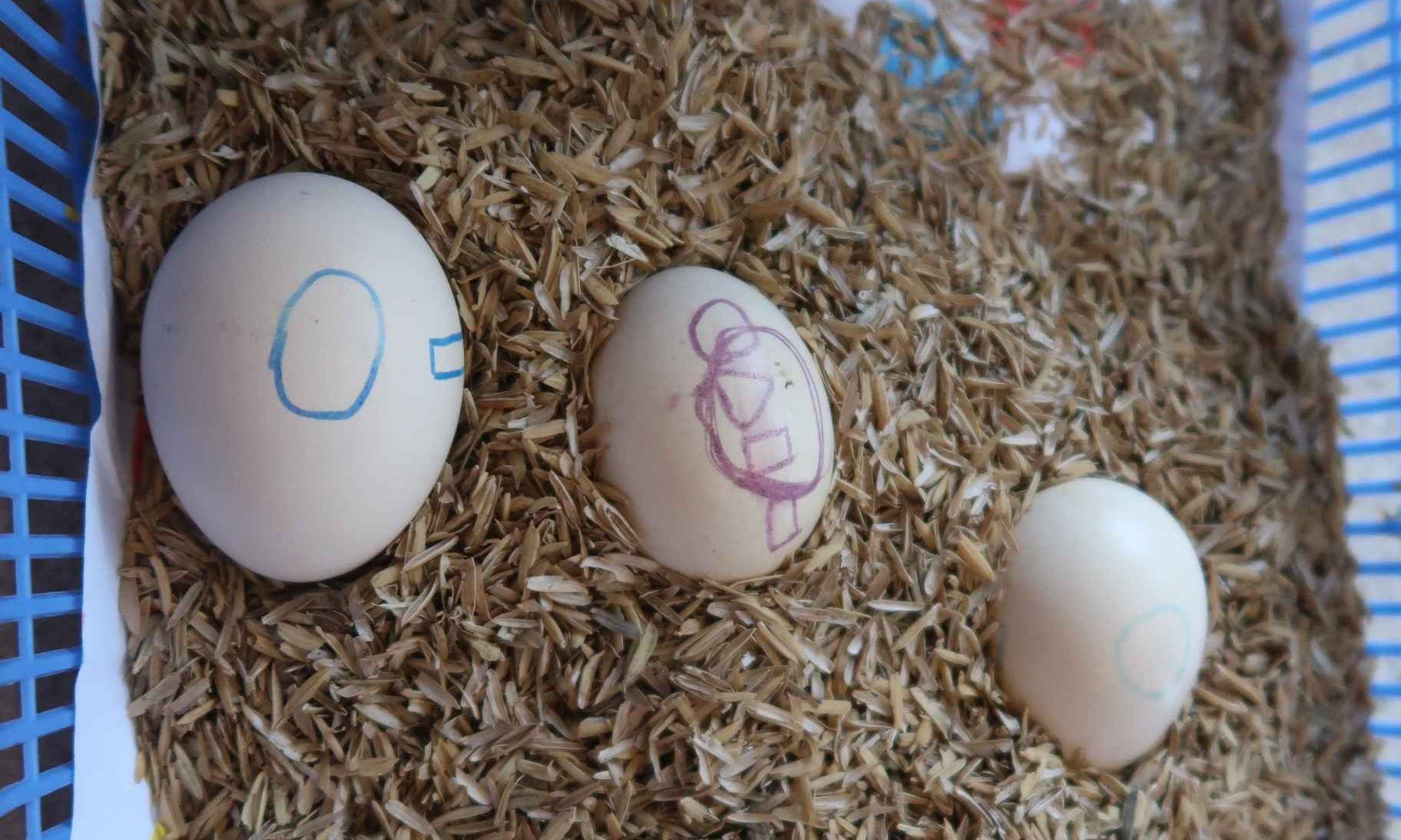
Background One day, Miss Ima found an egg laying on the carpet inside the classroom, and she moved the egg to the top of the cupboard. In the afternoon, Micol found the egg and asked “Where did you get the egg miss?” and Miss Ima told Micol where she found them. A few days after that, Miss Ima found another egg on the carpet and moved it to the cupboard. Not long after that, Micol found a couple of eggs inside the cupboard and she came up with an idea “Miss, why don’t we make an incubator for these eggs?”. Miss Ima agreed to the idea and shared the idea with the others. The discussion started with a question “Who likes animals?” and all students raised their hands up. During the discussion, they also try to find out how to make an egg incubator and how to take care of an egg until it hatched. We were using the internet as our source of information. The discussion happened for another couple of days, we also asked students to discuss this project with their parents. After we have gathered all the information, try to make the incubator and calendar in the class. We use the incubator to lay the eggs and warm them until they hatch. Inside we have rice husks, some cloth, water inside a bowl to keep the humidity balanced, and a fluorescent lamp (20 watts). Other than the incubator, students also made a calendar as a reminder of the days, because based on the information they found, it took 21 days for the egg to hatch. After the incubator is done, all students are asked to take care of and be responsible for the eggs. Based on the information they got, they are supposed to rotate the eggs 90 degrees 3 times a day, in order to give an even warmth on all surfaces, so the embryos can grow healthily. Based on the egg needs, students came up with a duty schedule to share the responsibility together. This project was their second project. The first project was not successful, because the egg didn’t get enough warmth, they were using a 5-watt lamp. Another thing that played a part in the failure was they moved the egg around during checking time and moved it to the darker side inside the box. Learning Resources Internet           : Tutorial on how to make an egg incubator, How to make a good egg incubator Resources       : Teachers, Parents, Poultry Expert (Bali Bird Park Team)           Learning Orientation Student-oriented learning. In this project, students are directed to become subjects and objects that they learn from the egg incubator project. Children are encouraged to think critically about the problem they face and find solutions to problems during the process. The teacher’s role in this project is as a facilitator and helps students get a real and authentic learning experience. Learning is considered and adapted to previous experiences and students’ intellect because each student has different learning experiences and potential. Research Stages a.      Research on how to make a good egg incubator. b.      Research about how long it takes for an egg to hatch. c.      Research on how to treat eggs properly. d.      Prepare the tools and materials needed to make an incubator. e.      Make the incubator and calendar as reminded. f.        Routine inspection. Documentation Documentation activities are carried out by the teacher at each stage of the activities carried out by students starting from the preparation stage, making the incubator, to the routine inspection stage which is carried out entirely by students with assistance from the teacher. Discussion about egg Prepared the necessary electricity and lighting for the egg incubator The children prepared some husk and placed the eggs inside it to keep them warm The students listened carefully to the teacher's instructions The process of making an incubator Learning more about an egg before we start the project Decorated the incubator Children took turns on duty to check the eggs The students placed the eggs in the incubator.