Egg Incubator

Background

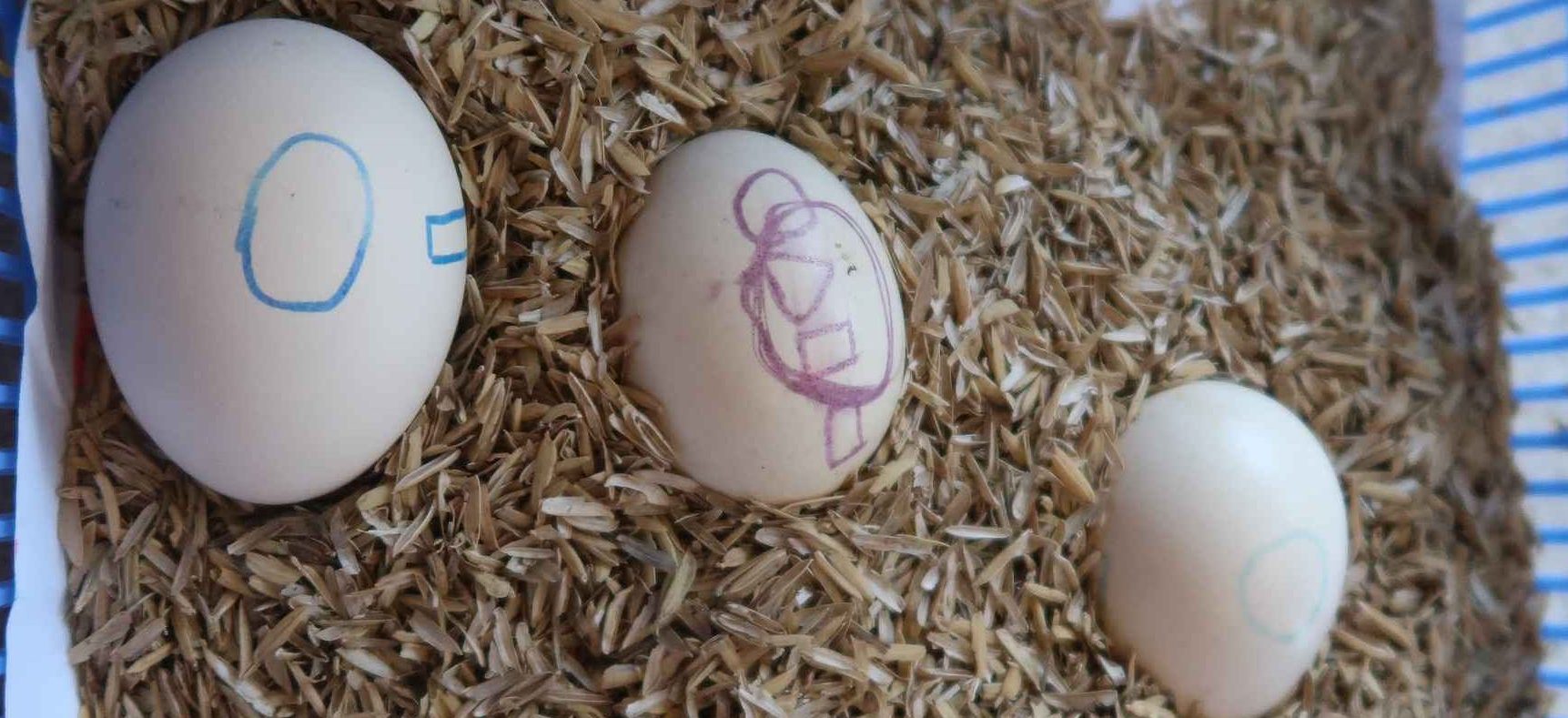
One day, Miss Ima found an egg laying on the carpet inside the classroom, and she moved the egg to the top of the cupboard. In the afternoon, Micol found the egg and asked “Where did you get the egg miss?” and Miss Ima told Micol where she found them. A few days after that, Miss Ima found another egg on the carpet and moved it to the cupboard. Not long after that, Micol found a couple of eggs inside the cupboard and she came up with an idea “Miss, why don’t we make an incubator for these eggs?”. Miss Ima agreed to the idea and shared the idea with the others.

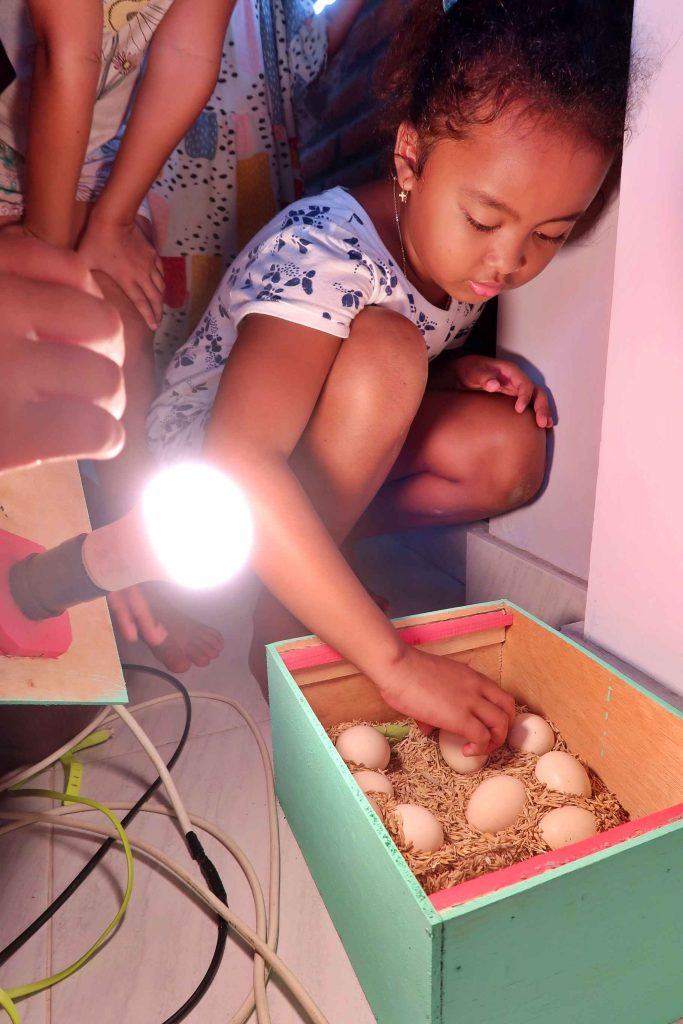
The discussion started with a question “Who likes animals?” and all students raised their hands up. During the discussion, they also try to find out how to make an egg incubator and how to take care of an egg until it hatched. We were using the internet as our source of information. The discussion happened for another couple of days, we also asked students to discuss this project with their parents. After we have gathered all the information, try to make the incubator and calendar in the class. We use the incubator to lay the eggs and warm them until they hatch. Inside we have rice husks, some cloth, water inside a bowl to keep the humidity balanced, and a fluorescent lamp (20 watts). Other than the incubator, students also made a calendar as a reminder of the days, because based on the information they found, it took 21 days for the egg to hatch.

After the incubator is done, all students are asked to take care of and be responsible for the eggs. Based on the information they got, they are supposed to rotate the eggs 90 degrees 3 times a day, in order to give an even warmth on all surfaces, so the embryos can grow healthily. Based on the egg needs, students came up with a duty schedule to share the responsibility together.

This project was their second project. The first project was not successful, because the egg didn’t get enough warmth, they were using a 5-watt lamp. Another thing that played a part in the failure was they moved the egg around during checking time and moved it to the darker side inside the box.

Learning Resources

Internet           : Tutorial on how to make an egg incubator, How to make a good egg incubator

Resources       : Teachers, Parents, Poultry Expert (Bali Bird Park Team)          

Learning Orientation

Student-oriented learning. In this project, students are directed to become subjects and objects that they learn from the egg incubator project. Children are encouraged to think critically about the problem they face and find solutions to problems during the process. The teacher’s role in this project is as a facilitator and helps students get a real and authentic learning experience. Learning is considered and adapted to previous experiences and students’ intellect because each student has different learning experiences and potential.

Research Stages

a.      Research on how to make a good egg incubator.

b.      Research about how long it takes for an egg to hatch.

c.      Research on how to treat eggs properly.

d.      Prepare the tools and materials needed to make an incubator.

e.      Make the incubator and calendar as reminded.

f.        Routine inspection.

Documentation

Documentation activities are carried out by the teacher at each stage of the activities carried out by students starting from the preparation stage, making the incubator, to the routine inspection stage which is carried out entirely by students with assistance from the teacher.
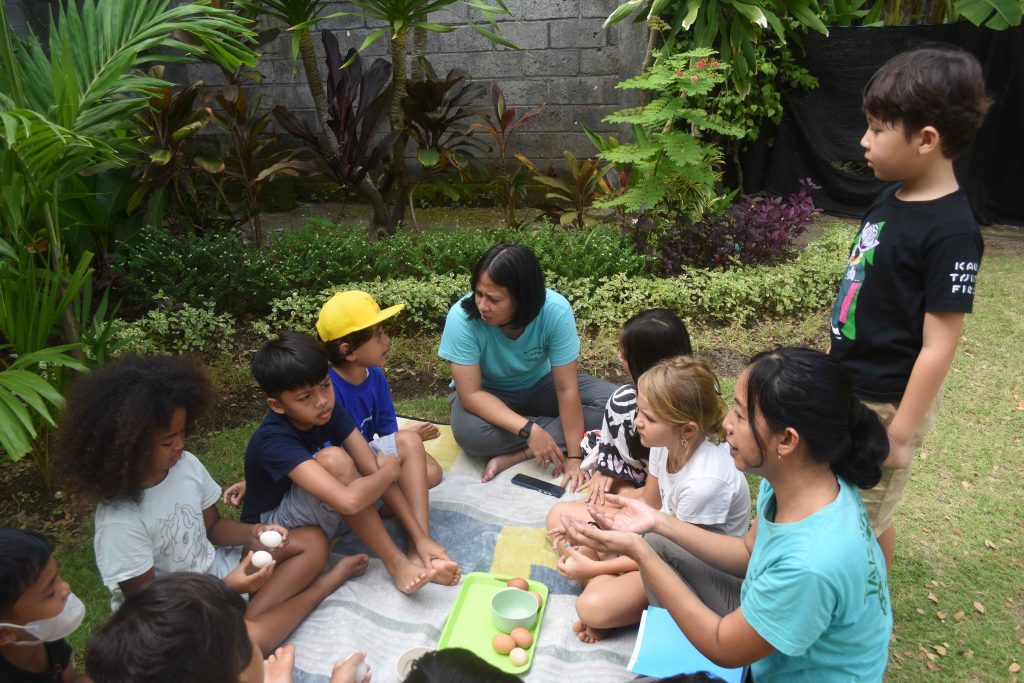
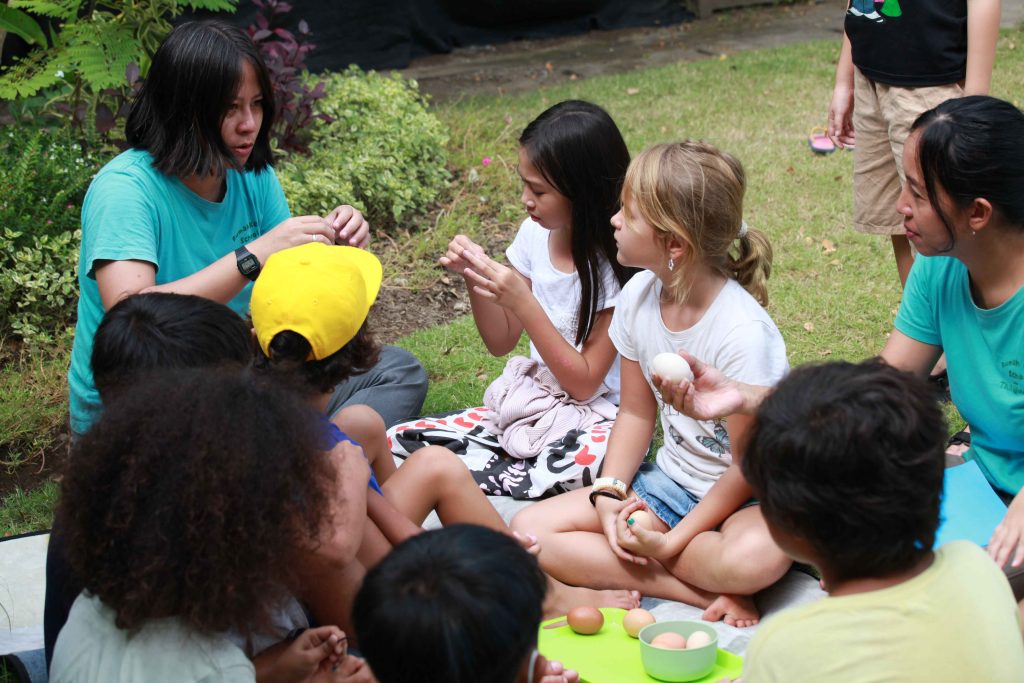
Discussion about egg
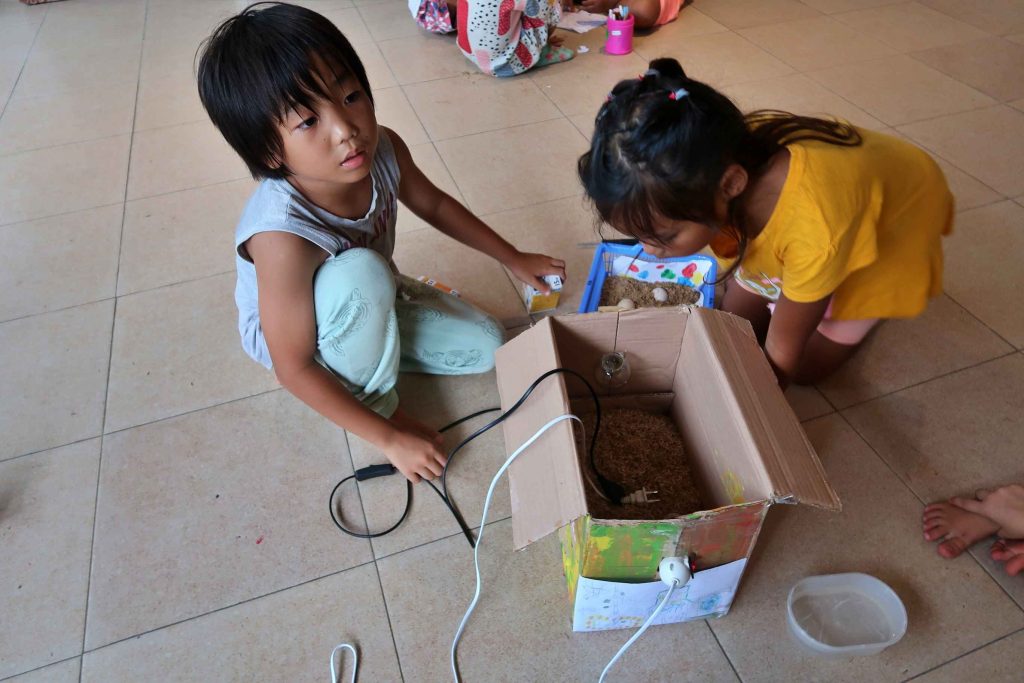
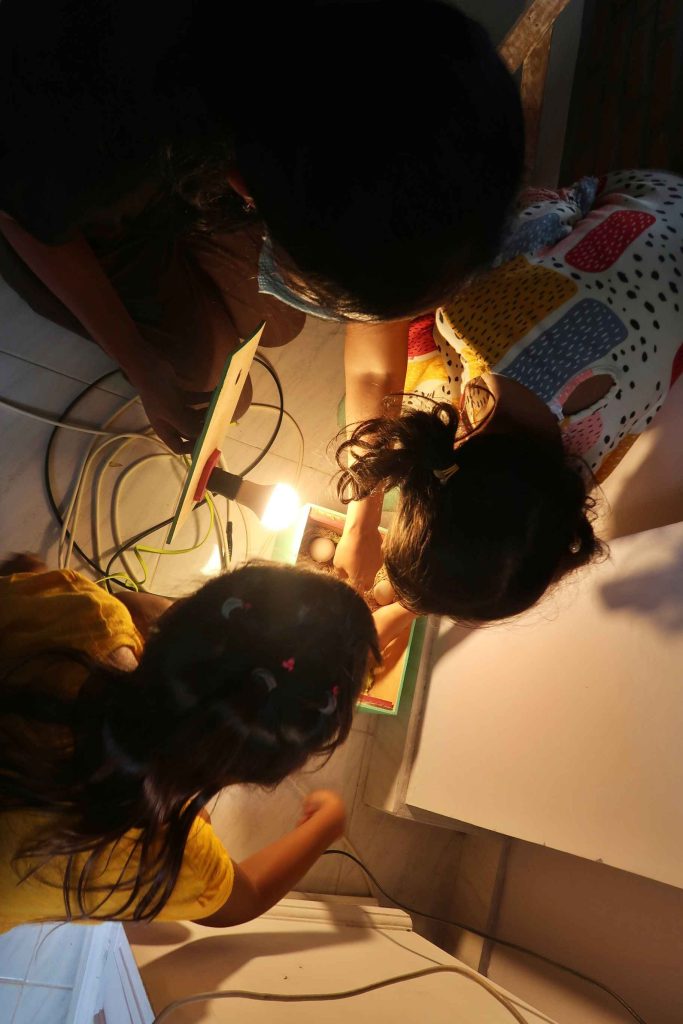
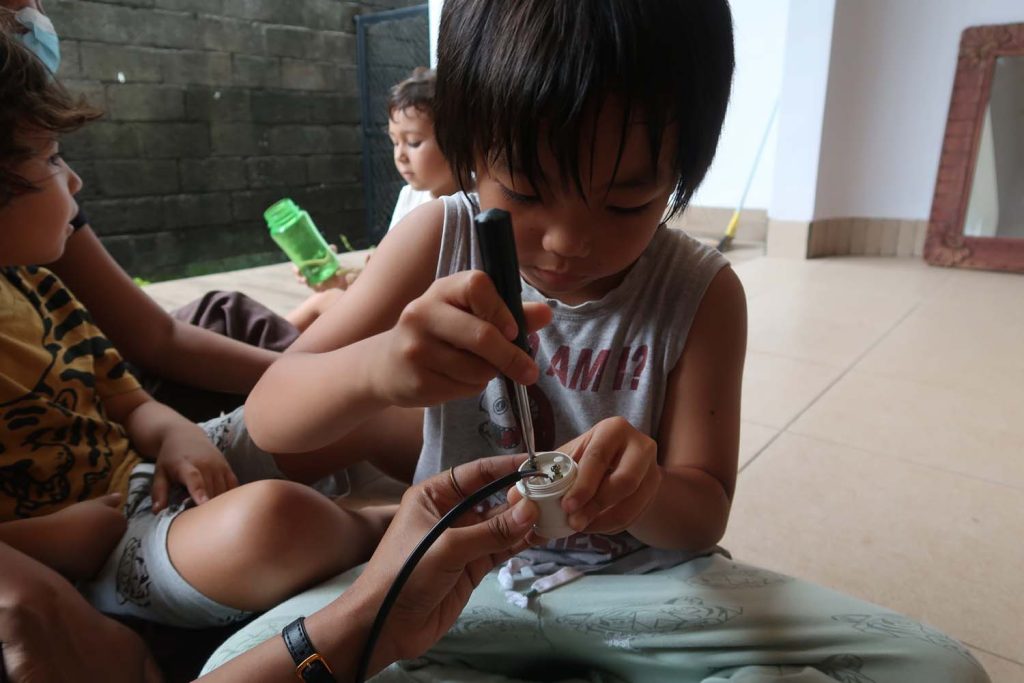
Prepared the necessary electricity and lighting for the egg incubator
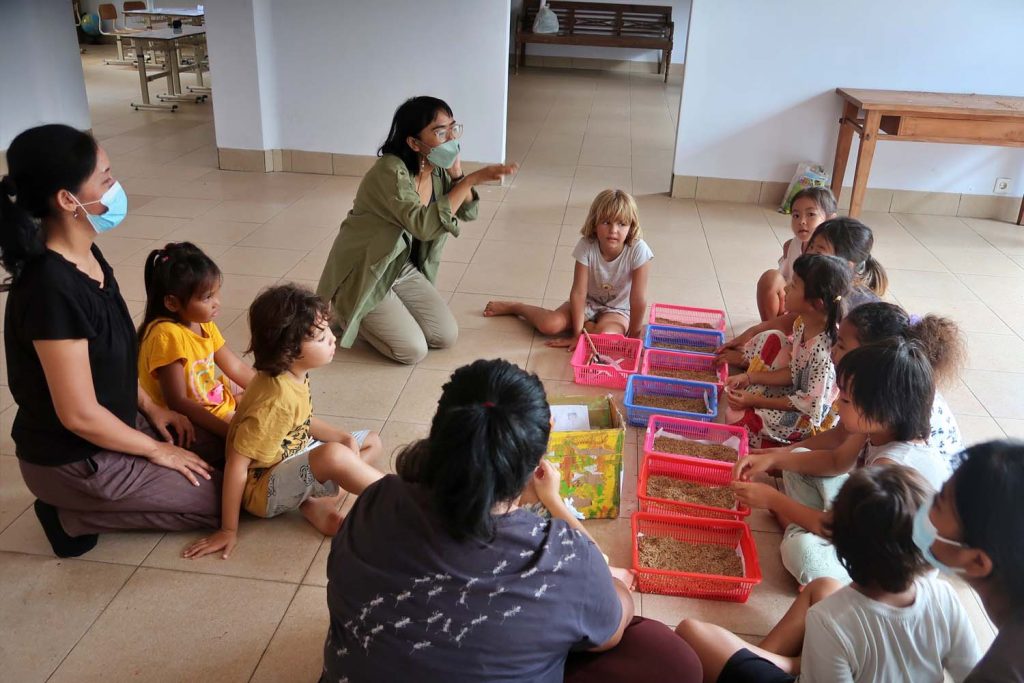
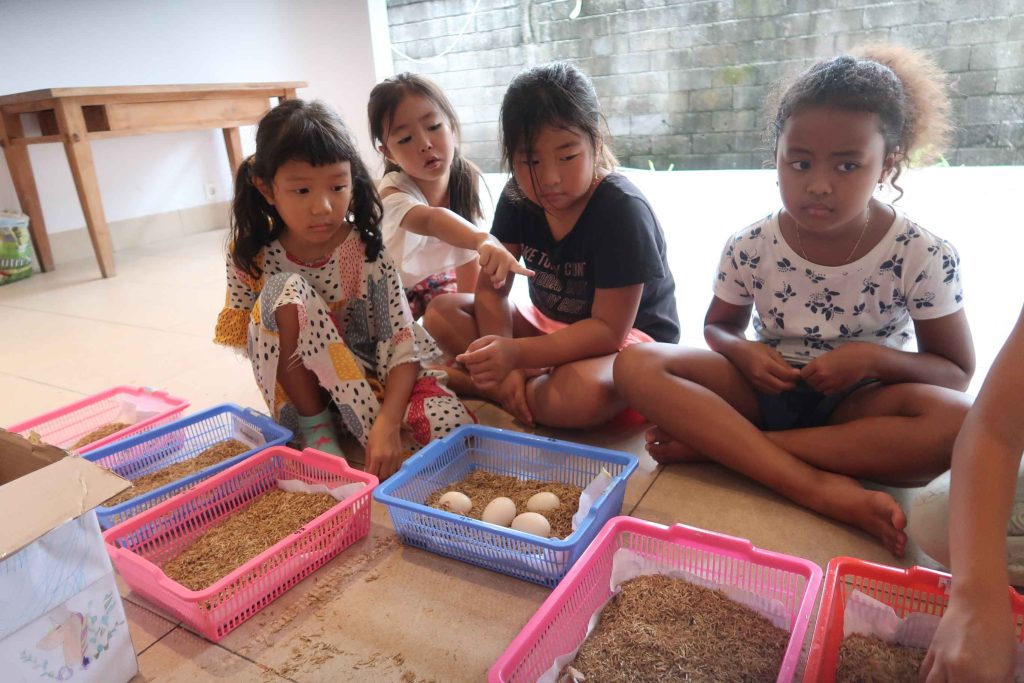
The children prepared some husk and placed the eggs inside it to keep them warm
The students listened carefully to the teacher’s instructions
The process of making an incubator
Learning more about an egg before we start the project
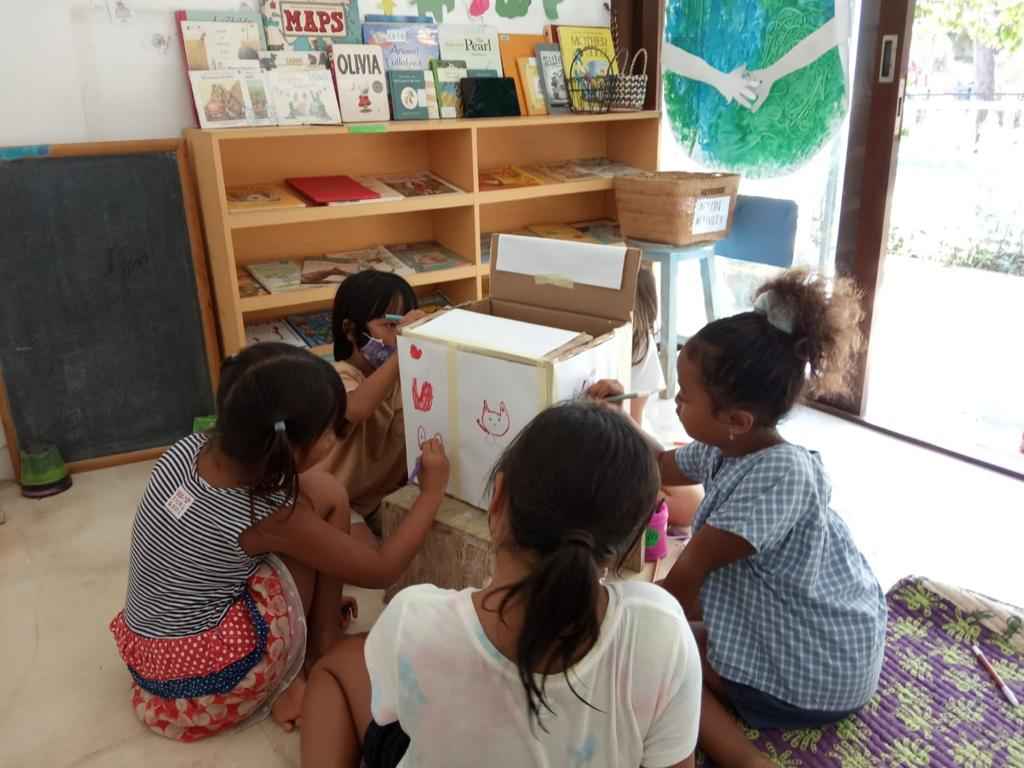
Decorated the incubator
Children took turns on duty to check the eggs
The students placed the eggs in the incubator.

More To Read

The 2nd Output Day (22 February, 2024)
General News 19 Mar 2024

The 2nd Output Day (22 February, 2024)

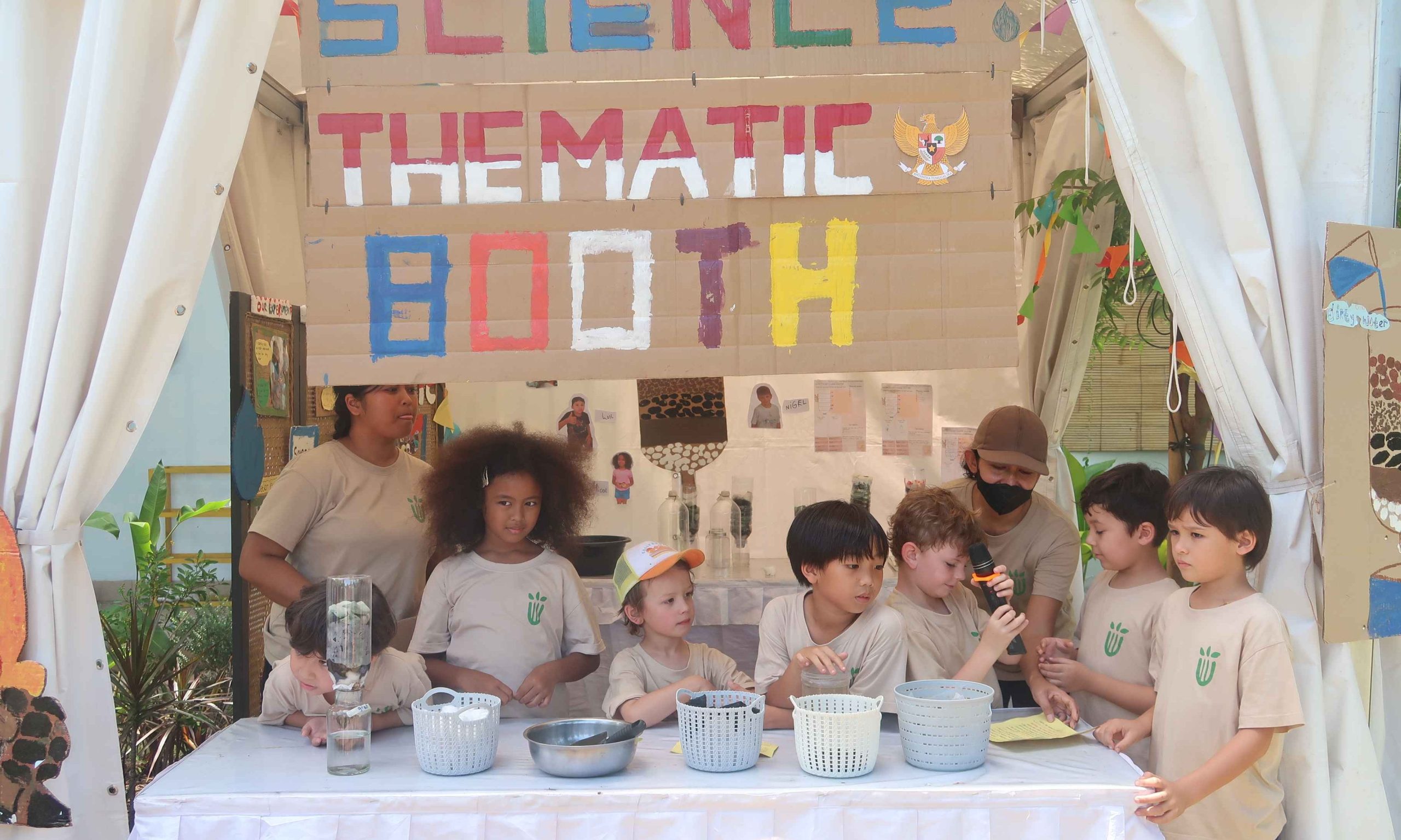
After months of preparation, Output Day has finally arrived. This special event at Taruwara Primary School. Output Day is our school exhibition event that provides our students with the opportunity to showcase their learning experiences. Over the past three months, we have observed and assessed their interests and capacities, grouping them accordingly into five categories: Wonderful Batik, Beautiful Indonesia, Green & Science, Coding, and Craft Creation. Each group selected two to three students to present their projects on the main stage. However, in the case of Amazing Indonesia and Wonderful Batik booths, all students from these groups participated, with two students presenting at a time. The Fabulous Batik Group demonstrated the art of batik sketching under the guidance of our skilled students. Regardless of your prior experience in art, they were eager to assist with their warm smiles. They passionately shared the history of batik and showcased the intricate process of creating batik from scratch. The Amazing Indonesia Group captivated guests with their vibrant displays representing various aspects of Indonesian culture. From traditional games like kite flying and congklak to interactive demonstrations on how to craft these items, the group offered an immersive experience of Indonesia's rich heritage. Meanwhile, the Green & Science Class showcased environmentally friendly products crafted during the past three months. From organic fertilizers made from eggshells to scrubs and soap bars made from coffee grounds, they emphasized the importance of utilizing kitchen waste effectively. The Coding Group presented intriguing projects, including rocket and roller coaster simulators. Their innovative creations attracted a large crowd, offering guests an exciting journey through the realms of space and amusement parks. What most attract the crowd is Coding Group use Virtual Reality (VR) to gain guest's interaction and engagement. Lastly, the Craft Creation Group showcased a diverse range of projects, all crafted from cardboard. From solar panel illustrations to miniature houses and interactive games, the group demonstrated their creativity and ingenuity. We are immensely proud of our students' achievements, which underscore our commitment to project-based learning and leave a lasting impression on all who attended. Dante, our Grade-4 student take a spot as an MC Wonderful Batik Group is ready to guide you with their art sense Green and Science Group will explain how you can save the earth The "Amazing Indonesia Booth" received a lot of visitors who wanted to play The queue at the Coding Group to try our simulators Presentation from Craft Creation Group

Egg Incubator
Project Student 03 Apr 2023

Egg Incubator

Background One day, Miss Ima found an egg laying on the carpet inside the classroom, and she moved the egg to the top of the cupboard. In the afternoon, Micol found the egg and asked “Where did you get the egg miss?” and Miss Ima told Micol where she found them. A few days after that, Miss Ima found another egg on the carpet and moved it to the cupboard. Not long after that, Micol found a couple of eggs inside the cupboard and she came up with an idea “Miss, why don’t we make an incubator for these eggs?”. Miss Ima agreed to the idea and shared the idea with the others. The discussion started with a question “Who likes animals?” and all students raised their hands up. During the discussion, they also try to find out how to make an egg incubator and how to take care of an egg until it hatched. We were using the internet as our source of information. The discussion happened for another couple of days, we also asked students to discuss this project with their parents. After we have gathered all the information, try to make the incubator and calendar in the class. We use the incubator to lay the eggs and warm them until they hatch. Inside we have rice husks, some cloth, water inside a bowl to keep the humidity balanced, and a fluorescent lamp (20 watts). Other than the incubator, students also made a calendar as a reminder of the days, because based on the information they found, it took 21 days for the egg to hatch. After the incubator is done, all students are asked to take care of and be responsible for the eggs. Based on the information they got, they are supposed to rotate the eggs 90 degrees 3 times a day, in order to give an even warmth on all surfaces, so the embryos can grow healthily. Based on the egg needs, students came up with a duty schedule to share the responsibility together. This project was their second project. The first project was not successful, because the egg didn’t get enough warmth, they were using a 5-watt lamp. Another thing that played a part in the failure was they moved the egg around during checking time and moved it to the darker side inside the box. Learning Resources Internet           : Tutorial on how to make an egg incubator, How to make a good egg incubator Resources       : Teachers, Parents, Poultry Expert (Bali Bird Park Team)           Learning Orientation Student-oriented learning. In this project, students are directed to become subjects and objects that they learn from the egg incubator project. Children are encouraged to think critically about the problem they face and find solutions to problems during the process. The teacher’s role in this project is as a facilitator and helps students get a real and authentic learning experience. Learning is considered and adapted to previous experiences and students’ intellect because each student has different learning experiences and potential. Research Stages a.      Research on how to make a good egg incubator. b.      Research about how long it takes for an egg to hatch. c.      Research on how to treat eggs properly. d.      Prepare the tools and materials needed to make an incubator. e.      Make the incubator and calendar as reminded. f.        Routine inspection. Documentation Documentation activities are carried out by the teacher at each stage of the activities carried out by students starting from the preparation stage, making the incubator, to the routine inspection stage which is carried out entirely by students with assistance from the teacher. Discussion about egg Prepared the necessary electricity and lighting for the egg incubator The children prepared some husk and placed the eggs inside it to keep them warm The students listened carefully to the teacher's instructions The process of making an incubator Learning more about an egg before we start the project Decorated the incubator Children took turns on duty to check the eggs The students placed the eggs in the incubator.
Sustainable Farming & Healthy meals: The Story Behind Our School’s Organic Rice
General News 20 Feb 2025

Sustainable Farming & Healthy meals: The Story Behind Our School’s Organic Rice

At our school, we believe that healthy meals are the foundation of a thriving learning environment. That’s why we’re mindful about every ingredient we use in our school meals, ensuring that they are nutritious, organic, and sustainably sourced. One of the staples in our daily meals is a blend of organic red rice and white rice, carefully selected to provide both health benefits and a texture that kids enjoy. But what makes our rice special? It’s not just about the nutrition—it’s also about how it’s grown. We source our rice from local farmers who practice eco-friendly farming methods, including the use of eco-enzyme fertilizers. This not only produces high-quality, chemical-free rice but also supports sustainable agriculture. Why We Choose Organic Red Rice Red rice is a powerhouse of nutrition. Unlike white rice, it retains its bran layer, which is rich in fiber, antioxidants, and essential nutrients such as iron, zinc, and B vitamins. Here’s why we include red rice in our school meals: High in fiber – Helps with digestion and keeps kids fuller for longer. Rich in antioxidants – Protects the body from harmful free radicals. Supports heart health – Contains natural compounds that help regulate cholesterol levels. Helps in energy production – Packed with B vitamins that aid in metabolism. Balancing Nutrition and Taste While red rice is highly nutritious, its texture can be firmer than what kids are used to. To make it more palatable, we blend red rice with organic white rice. This combination maintains the nutritional benefits of red rice while ensuring a softer, fluffier texture that children enjoy. Eco-Enzyme Fertilizers: A Sustainable Choice The farmers who supply our white rice use eco-enzyme fertilizers, a natural and environmentally friendly alternative to chemical fertilizers. Eco-enzymes are made from fermented fruit and vegetable scraps, creating a nutrient-rich solution that: Improves soil quality Enhances plant growth naturally Reduces chemical waste in farming Supports biodiversity and eco-friendly agriculture By supporting farmers who use eco-enzyme fertilizers, we are not only ensuring that our students eat the best quality rice but also promoting a more sustainable future for agriculture. As we continue to make mindful food choices, we invite parents and the community to explore red rice at home, too! Try mixing it with white rice, just like we do at school, to create a balanced and nutritious meal. Together, we can nurture a generation that values both their health and the planet—one mindful meal at a time.