Learning Never Stops – Teacher In-Service Days at Taruwara

While our students enjoy their school holidays, learning continues at Taruwara.

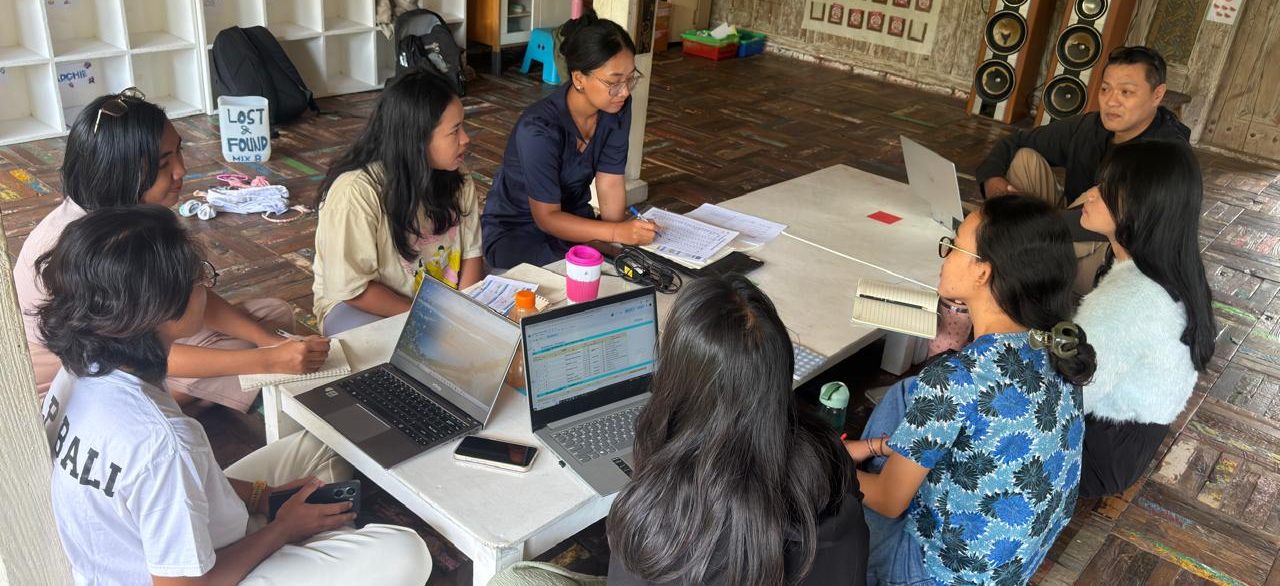
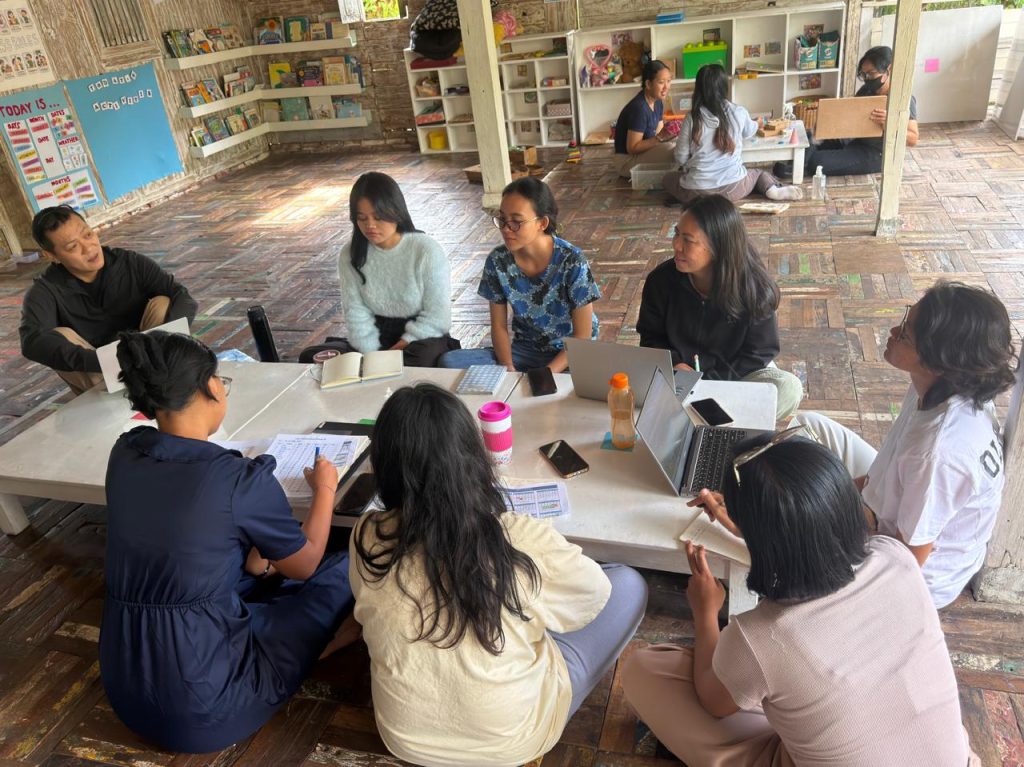
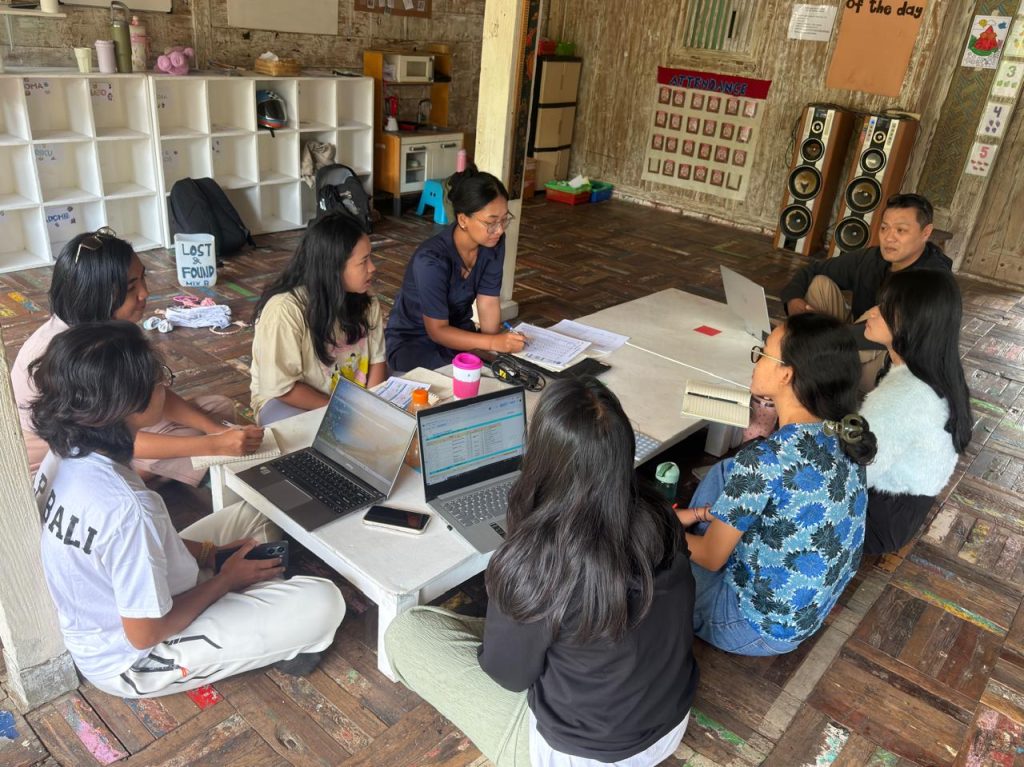
At the end of every semester, we dedicate several days to what we call our Teacher In-Service Days. These are special days when our teachers step away from the classroom and become learners themselves.

During this time, our teachers participate in a variety of professional development workshops and training sessions. They also work together to prepare lesson plans, learning materials, and classroom activities for the upcoming semester, ensuring that every child receives meaningful and engaging learning experiences from the very first day back at school.
At the same time, our maintenance team is hard at work behind the scenes. They repair playground equipment, maintain classrooms, and improve our school facilities so that our students can return to a safe, welcoming, and inspiring environment. As a holistic school, we believe that education begins with educators who never stop learning. Professional development is not something we do once or twice a year—it is an ongoing part of our school culture. Throughout the year, our teachers regularly participate in workshops, collaborative discussions, classroom observations, and training sessions.
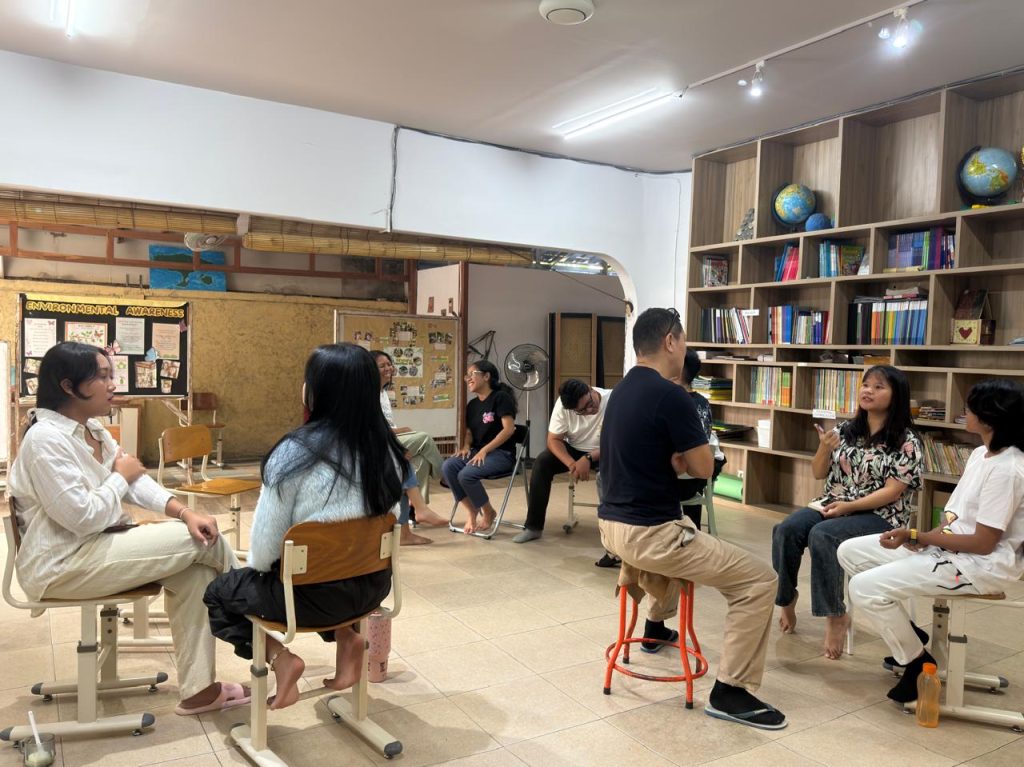
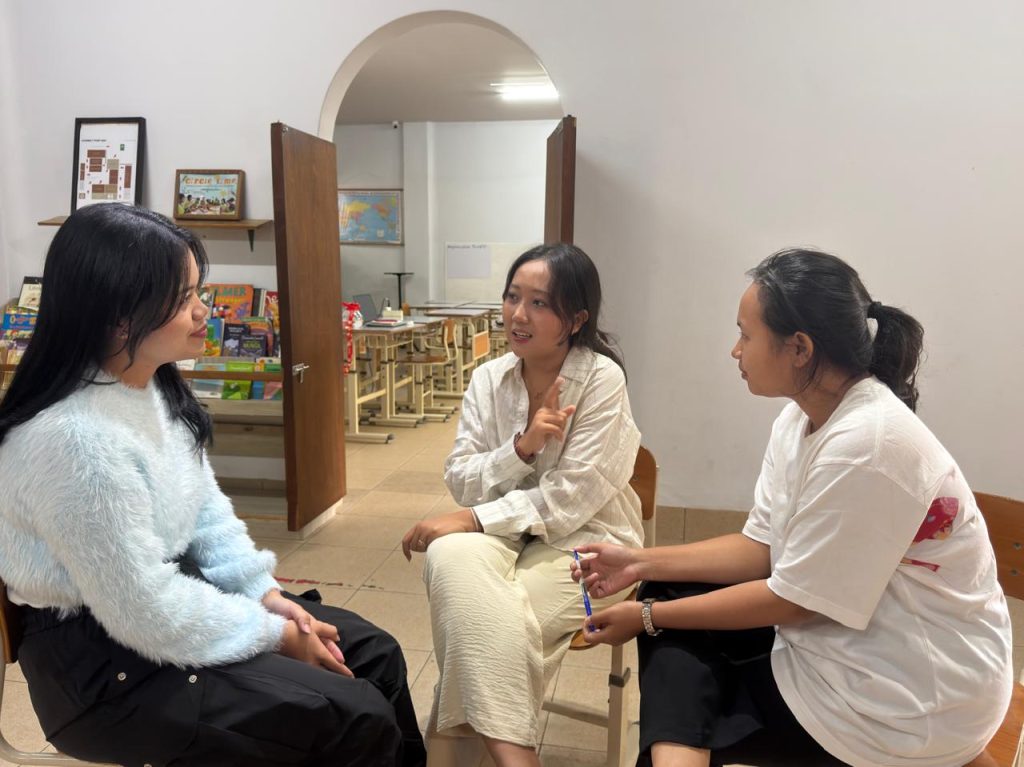
These opportunities help our teachers deepen their understanding of Taruwara’s educational philosophy and continue growing as educators. They learn not only what to teach, but also how to connect with each child, support their emotional wellbeing, encourage their curiosity, and create learning experiences that nurture the whole child. At Taruwara, we believe that when teachers continue to grow, children thrive. Every workshop, every discussion, and every moment of reflection is an investment in the future of our students. Because the best learning happens when teachers are learning too.
More To Read

First Ever “Output Day” Event!
General News • 10 Apr 2023

First Ever “Output Day” Event!

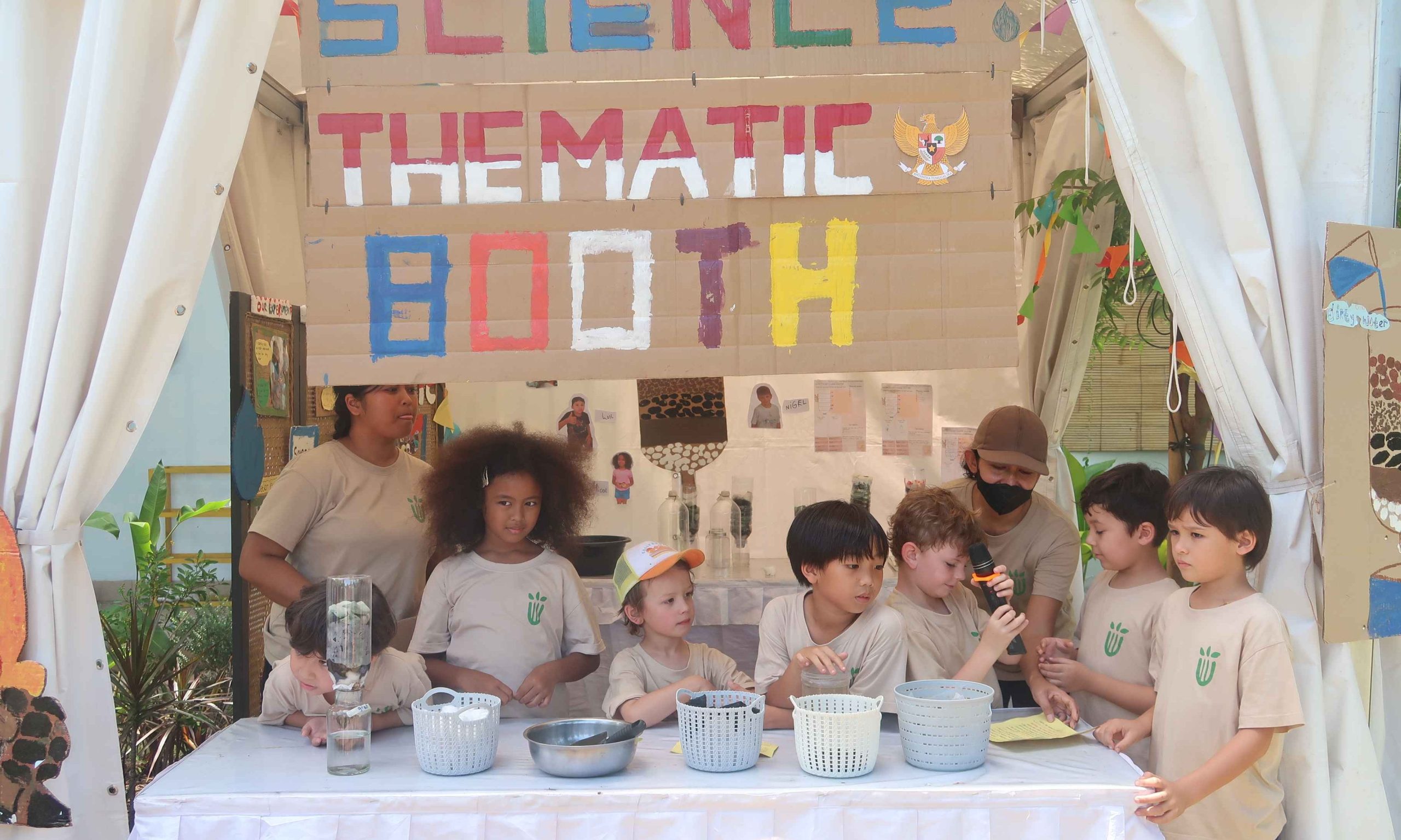
The other day we successfully completed our first attempt to hold an Output Day. Output Day, as the name suggests, is a day to output what students have been inputting. We have been preparing our presentations and bulletin boards for that day. The primary class students with their teacher prepare 3 booths. They are assigned to each booth with their teacher. There was a booth for science and thematic, English with art, and mathematics. The children in each booth are tasked with presenting their projects and things they have learned so far at Taruwara. The teachers are just as nervous as their students, some of them feeling very tense before the event starts. However, they manage to overcome their tension and nervousness to welcome all the parents and kindergarten children. Some of the students who were not very good at public speaking gained her confidence by seeing her teachers, mothers, and younger students who were trying their best. Her teammates were also motivated by her efforts.  After the three-hour event, the children and teachers were exhausted, but despite the short preparation period and the fact that it was their first experience, they were able to pull it off, which was a very valuable experience for all of us. During the reflection time, we were able to hear comments such as, "We can do this better next time! I want to do something like this!” and other positive things. We wondered if this was also the result of the daily circle time and reflection session. On that day, the kindergarten children also had an opportunity to do activities together with their parents, and everyone seemed very happy to see the children's responses and reactions, which they do not get to see every day. We were also very anxious about the parents' opinions after coming to observe the elementary school presentation, but we were very grateful for their warm and supportive attitude toward the children throughout the event, even if some of them could not speak well. Good job kids!! We are so proud of you all. Documentation: Our math class team ready for presentation about how to build a tent Our science class team ready for the presentation Warmest welcome from primary students to attending parents Primary school children showcase their cooking skills in front of the attending parents. They prepare the same menu, rice balls, just like they did during the previous project camp. During the experiments, the kindergarten children are particularly fascinated and interested in the activity Demonstration on setting up a tent from primary children with parents from kindergarten Parents and their kids Building a tent with math team Showcase their life skill that they got from their previous project Presentation from science team to mix-class parents and children The parents and kindergarten children are getting ready to make lemonade according to the instructions from the English class team. We are extremely grateful that the attending parents are very supportive of our elementary school children.

Guinea Pig Project
Project Student • 18 Apr 2023

Guinea Pig Project

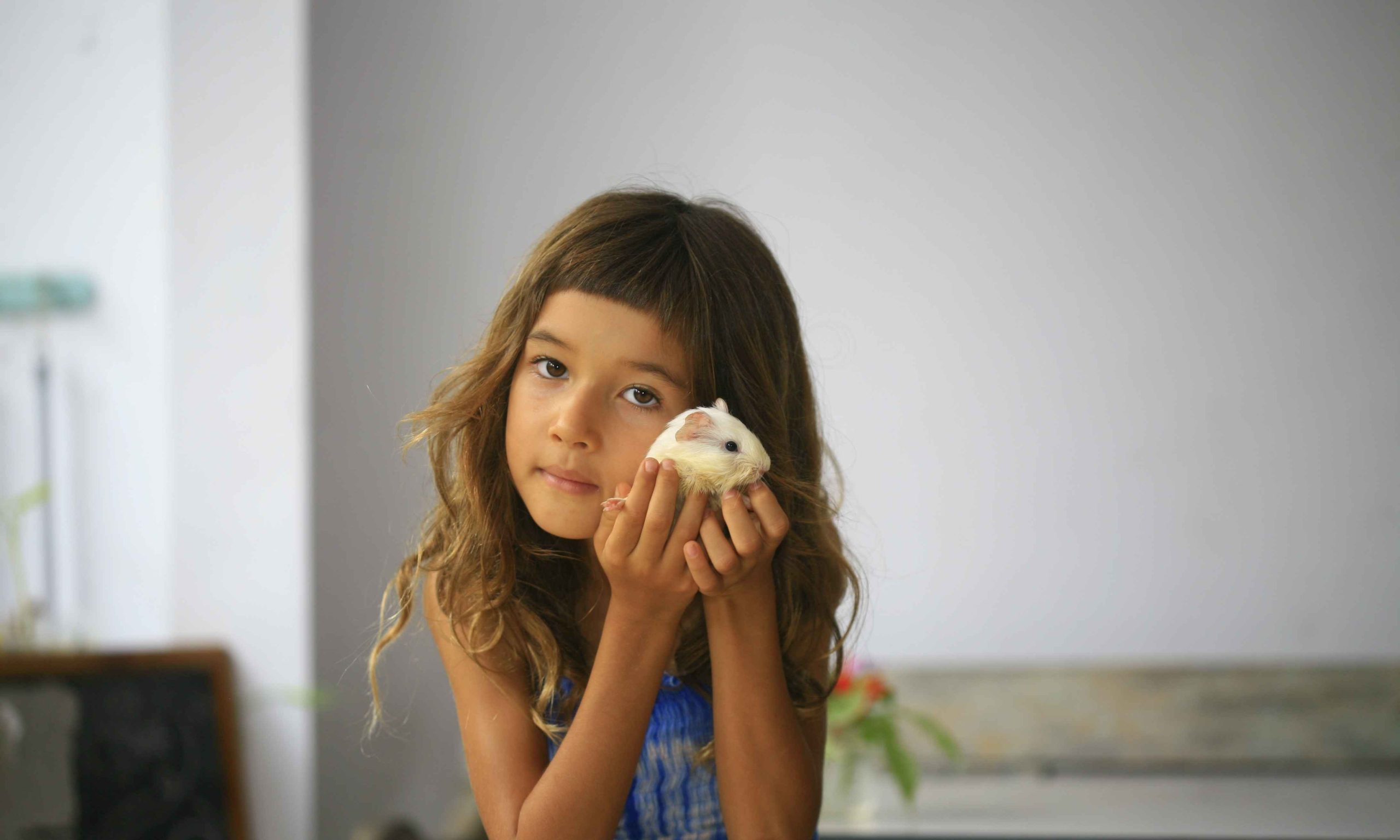
Children love animals, and for good reason having pets at school has been dreamed of by our students. Our "pet project" started with creating an egg incubator, so that we can hatch our own chick. But unfortunately, it failed after three trials. Haven't given up yet, we discussed and decided to continue the project by adopting another pet. It wasn't an easy decision to decide which pet we would like to adopt. Finally, we agreed to adopt a guinea pig and our guinea pig project began. To support our project, we need to prepare everything thoroughly. We learnt many theories about guinea pigs in each class. In science, we learnt that guinea pigs are rodent animals. We got to know their natural predators and foods. It helps us to take care of them. Inviting guinea pig owners is also on our list. We would like the experts to share their real experiences in order to take care of guinea pigs. We also got a chance to ask some questions regarding guinea pigs. As mentioned before, we learnt many things in order to support our project. We learnt measurement in math so that we can design and create the best guinea pig cage. In order to take care of our guinea pig, we set up a duty schedule and took turns giving food and cleaning the cage. A mind map helps to visually organize all the records of ideas about a project. It also helps us to track back all information or steps to enhance creative problem-solving skills. In order to conduct our guinea pig project, the students record every piece of information they have learnt on mind mapping. They also add more information they wish to enrich. It also shows the steps and goals of their project. Documentation: Q&A with guinea pig expert. All kids were very passionate to know more about guinea pig before they can adopt them They were learning about guinea pig and how to take care of them The first time they met a guinea pig. Guinea loves carrot and vegetables Workshop about guinea pig Primary children loves to spent their free time with our Guinea pigs Lovely Sugar & Oreo Snowy Daily duty to feed guinea pigs Student on duty to take care of guinea pig The first time they met a guinea pig. Mind Map for Guinea Pig Project Team work with school staff to bring their design ideas to life We made the cage from bamboo Guinea Pigs Cage Maker The process of making a guinea pig cage

Sustainable Farming & Healthy meals: The Story Behind Our School’s Organic Rice
General News • 20 Feb 2025

Sustainable Farming & Healthy meals: The Story Behind Our School’s Organic Rice

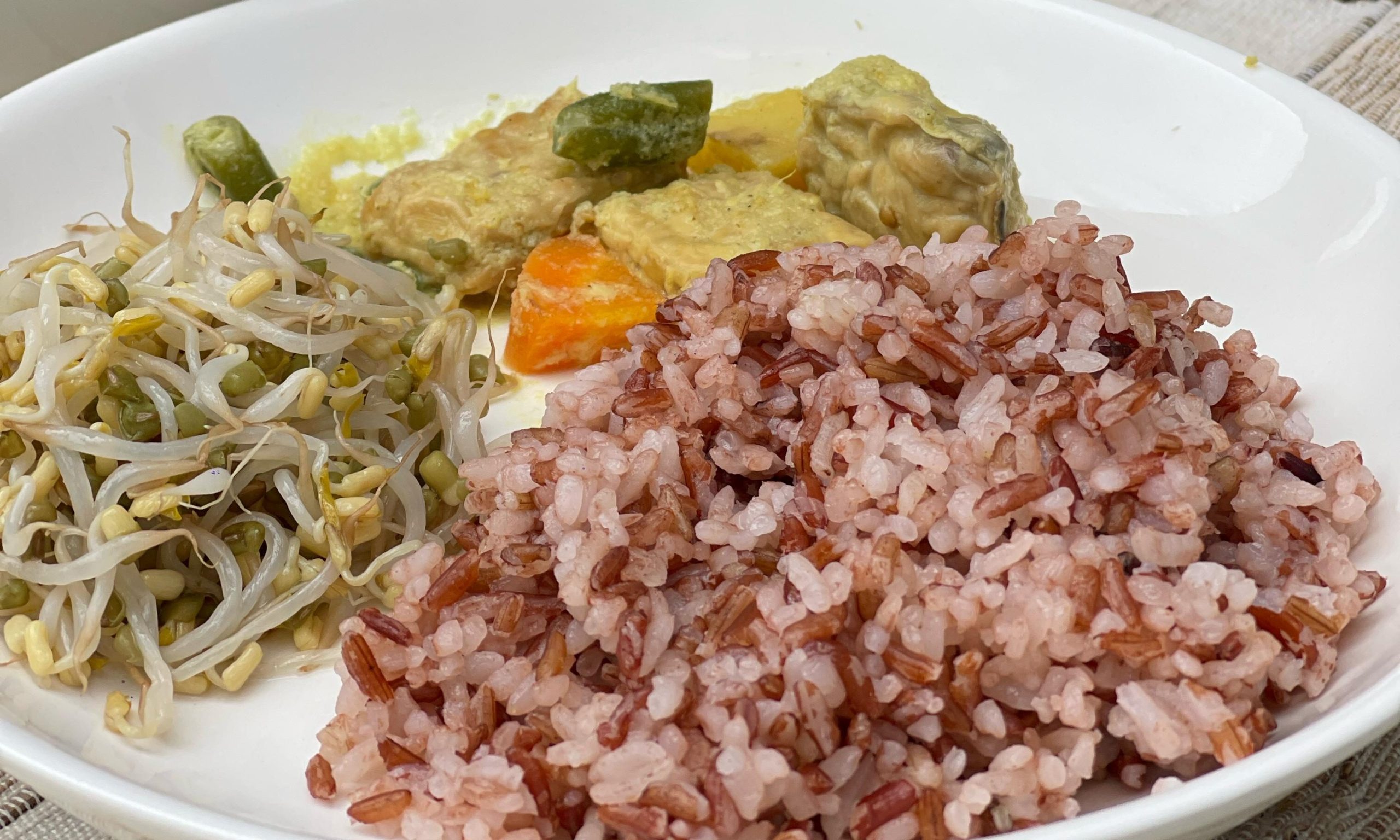
At our school, we believe that healthy meals are the foundation of a thriving learning environment. That’s why we’re mindful about every ingredient we use in our school meals, ensuring that they are nutritious, organic, and sustainably sourced. One of the staples in our daily meals is a blend of organic red rice and white rice, carefully selected to provide both health benefits and a texture that kids enjoy. But what makes our rice special? It’s not just about the nutrition—it’s also about how it’s grown. We source our rice from local farmers who practice eco-friendly farming methods, including the use of eco-enzyme fertilizers. This not only produces high-quality, chemical-free rice but also supports sustainable agriculture. Why We Choose Organic Red Rice Red rice is a powerhouse of nutrition. Unlike white rice, it retains its bran layer, which is rich in fiber, antioxidants, and essential nutrients such as iron, zinc, and B vitamins. Here’s why we include red rice in our school meals: High in fiber – Helps with digestion and keeps kids fuller for longer. Rich in antioxidants – Protects the body from harmful free radicals. Supports heart health – Contains natural compounds that help regulate cholesterol levels. Helps in energy production – Packed with B vitamins that aid in metabolism. Balancing Nutrition and Taste While red rice is highly nutritious, its texture can be firmer than what kids are used to. To make it more palatable, we blend red rice with organic white rice. This combination maintains the nutritional benefits of red rice while ensuring a softer, fluffier texture that children enjoy. Eco-Enzyme Fertilizers: A Sustainable Choice The farmers who supply our white rice use eco-enzyme fertilizers, a natural and environmentally friendly alternative to chemical fertilizers. Eco-enzymes are made from fermented fruit and vegetable scraps, creating a nutrient-rich solution that: Improves soil quality Enhances plant growth naturally Reduces chemical waste in farming Supports biodiversity and eco-friendly agriculture By supporting farmers who use eco-enzyme fertilizers, we are not only ensuring that our students eat the best quality rice but also promoting a more sustainable future for agriculture. As we continue to make mindful food choices, we invite parents and the community to explore red rice at home, too! Try mixing it with white rice, just like we do at school, to create a balanced and nutritious meal. Together, we can nurture a generation that values both their health and the planet—one mindful meal at a time.